


US Crypto Regulation: Breakthroughs and Stalemates in Washington
We may earn commissions from affiliate links or include sponsored content, clearly labeled as such. These partnerships do not influence our editorial independence or the accuracy of our reporting. By continuing to use the site you agree to our terms and conditions and privacy policy.

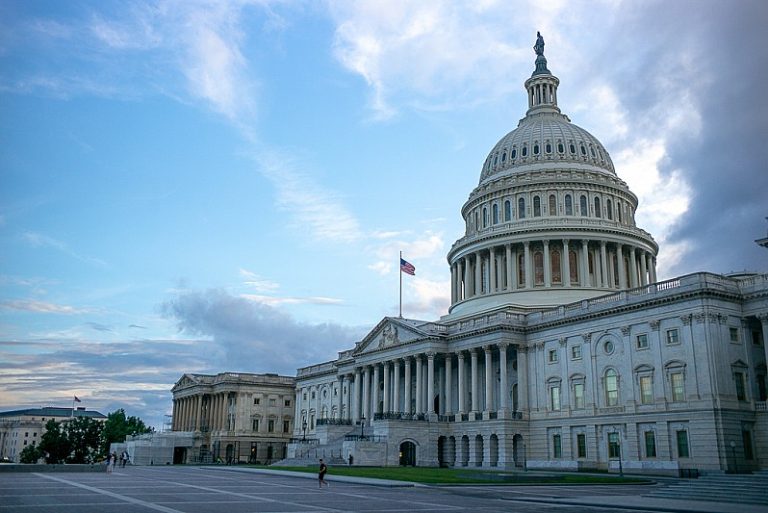
US lawmakers seek a bipartisan compromise on the Digital Asset Market Clarity Act as debates over stablecoin yields and regulatory oversight intensify.
Legislation has become a key element not only of crypto policy but also of Washington’s broader technological strategy. At stake is the ability of the U.S. to build a regulatory model that simultaneously protects investors and fosters innovation, as pressure from the financial sector and Silicon Valley intensifies.
Breakthrough in Oversight Division
Discussions have focused on progress regarding the Digital Asset Market Clarity Act, which proposes a clear distinction of powers between the SEC and the CFTC. The goal is to clarify which regulator controls spot markets and the classification of tokens.
Some Democrats had previously opposed the bill, citing concerns over consumer protection and market integrity. However, the latest meeting indicates a search for a bipartisan compromise, especially following pressure from the administration, including Treasury Secretary Scott Bessent, to accelerate negotiations.
Stablecoin Yield Dispute Remains a Stumbling Block
The main unresolved issue remains whether platforms can offer yields on stablecoin balances. Traditional banks are pushing for restrictions, arguing that such products could function as unregulated deposits.
Crypto companies, however, argue that a ban on rewards would limit competition and weaken interest in dollar-backed tokens. Draft versions in the Senate Banking Committee envision a ban on passive interest but potentially allow for activity-based incentives—a compromise formula that is currently at the center of negotiations.
Markets React, but Legislative Uncertainty Persists
On the Polymarket platform, the probability of the bill being passed by 2026 has recovered to 69%, after dropping to 47% earlier this month.
A version of the bill has already passed through the Senate Agriculture Committee, which expands the CFTC’s authority over spot markets. At the same time, the text in the Banking Committee remains stalled due to the dispute over stablecoin yields.
The outcome this week could determine whether the U.S. will build a unified framework for digital assets before the midterm elections—or if regulation will remain fragmented at a time when global competition in the sector is intensifying.


 Commentaries



Fill in necessary fields and publish