


How to Buy Bitcoin in 2026: The Complete Guide for Smart Investors
We may earn commissions from affiliate links or include sponsored content, clearly labeled as such. These partnerships do not influence our editorial independence or the accuracy of our reporting. By continuing to use the site you agree to our terms and conditions and privacy policy.



Bitcoin’s trading around $90k per coin these days, reflecting its current market value and maturity as a digital asset. But here’s the thing – you don’t need deep pockets to get started. You can begin purchasing Bitcoin with as little as $10, and with the right approach, you might position yourself for significant returns.
Let’s walk through exactly how to buy Bitcoin safely while minimizing common pitfalls that catch newcomers off guard.
How to Buy Bitcoins in 2026?
Getting into Bitcoin isn’t rocket science, but doing it right requires some homework. Here’s your step-by-step playbook using Best Wallet, which cuts out most of the exchange drama:
- Download Best Wallet – Grab it from App Store or Google Play. Takes about 30 seconds, and you’re already ahead of people still stuck on Coinbase’s KYC treadmill.
- Secure Your Seed Phrase – Write down those 12 words on paper, not your phone. Lose this, lose your Bitcoin. Period. Store it in a fireproof location and out of prying eyes.
- Fund Your Wallet – Tap “Buy” on the home screen, select Bitcoin, and enter your amount. Best Wallet automatically connects to multiple on-ramps. Purchasing Bitcoin can be done with USD or other fiat currencies, making it convenient for users worldwide.
- Choose Payment Method – Credit card for speed, bank transfer for lower fees, or use Apple Pay and Google Pay if you’re feeling fancy. You can purchase Bitcoin with USD using any of these payment methods.
- Complete Purchase – Review fees (usually 1-3%), confirm the transaction. Your Bitcoin shows up in your wallet, not some exchange you don’t control.
- Verify Receipt – Check your transaction history. First-time buyers often panic when Bitcoin takes 10-60 minutes to confirm on-chain.
Remember: Best Wallet is non-custodial, meaning you actually own your Bitcoin. No exchange can freeze your account or pull an FTX-style disappearing act.
Why Is Best Wallet the Best Option to Buy Bitcoin?
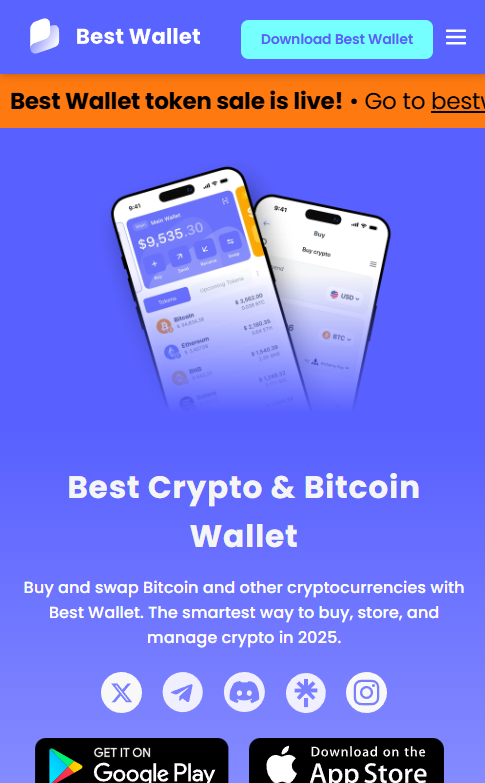
Best Wallet is the most practical option for buying Bitcoin in 2026 because it combines security, ease of use, and instant access in a single app. As a non-custodial wallet, it gives you complete control over your private keys, meaning no exchange can freeze your funds or block withdrawals.
Its built-in on-ramp connects you to multiple payment providers, letting you buy Bitcoin with credit cards, bank transfers, Apple Pay, or Google Pay in just a few taps. Purchases start from as little as $10, making it accessible to beginners.
With 60+ supported blockchains, integrated swap features, and fast transaction processing, Best Wallet eliminates the need for separate exchanges or third-party services, letting you own and manage your Bitcoin securely from day one.
Where Can You Buy Bitcoin?
There are many places where you can buy crypto (including Bitcoin). Here are the main ones that the majority of BTC owners get their “supply”.
Centralized Exchanges
Traditional cryptocurrency exchanges like Binance still dominate the space. These platforms allow users to buy and sell Bitcoin and other cryptocurrencies. They’re regulated (often also locally), beginner-friendly, and offer decent liquidity. Users can also sell Bitcoin on these exchanges, making them a central hub for cryptocurrency trading.
But here’s the catch – when your Bitcoin sits on their platform, they control it, not you.
The 2022 FTX collapse reminded everyone why “not your keys, not your crypto” isn’t just a meme. When Sam Bankman-Fried’s empire crumbled, billions in user funds vanished overnight.
Brokers
eToro and Robinhood make Bitcoin buying dead expensive but straightforward. eToro charges spreads of 1-5% depending on market conditions, while Robinhood’s “zero fees” hide in wider bid-ask spreads.
These platforms work great for beginners who want exposure to Bitcoin’s price without dealing with wallets or private keys. But you’re essentially buying an IOU, not actual Bitcoin. Can’t send it anywhere, can’t use it for DeFi, can’t truly own it.
Decentralized Exchanges
For the DeFi users, DEXs like Uniswap and PancakeSwap offer permissionless trading of Bitcoin and many other cryptocurrencies. You’ll need wrapped Bitcoin (WBTC) since pure Bitcoin doesn’t run on Ethereum or other smart contract chains.
DEXs eliminate KYC requirements (except for, in some cases, fiat-to-crypto transactions) and the risks of a central authority, but they’re not beginner-friendly. Gas fees can eat up smaller purchases, and smart contract bugs can occasionally drain liquidity pools. Only recommended if you know what you’re doing.
Best Bitcoin Exchanges in 2026
Choosing the best crypto exchange is more than just chasing the lowest fees. You want a platform that matches your trading style, offers strong security, and has enough liquidity to handle orders of any size without painful slippage.
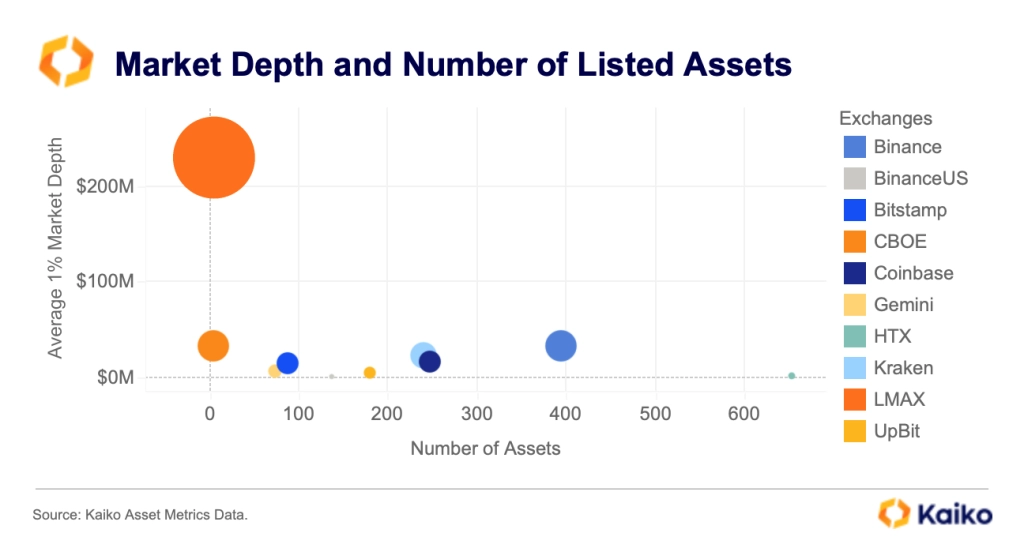
In 2026, the top Bitcoin exchanges combine deep markets with user-friendly tools, solid fiat on-ramps, and responsive customer support.
Below are three leading options worth considering – each with its own strengths, features, and trade-offs. Whether you’re a high-frequency futures trader or a first-time Bitcoin buyer, you’ll find a platform that fits your needs.
MEXC Exchange

MEXC has grown into a favorite for traders seeking access to everything from blue-chip Bitcoin to emerging memecoins. Spot trading fees start at just 0.1%, and the platform offers one of the deepest order books outside Binance.
A standout feature is its fast listing process for new tokens. While Binance might take months to evaluate projects, MEXC often lists promising coins within days of launch. This speed benefits traders looking for high-upside opportunities, though it also means you need to research carefully, as some listings can be risky.
Its P2P marketplace supports over 100 payment methods in more than 170 countries, with minimal KYC requirements for basic trading. The mobile app is responsive, and customer support typically answers within 24 hours. MEXC offers fast transactions, robust security, and a straightforward interface for buying and selling Bitcoin.
| Feature | Details |
| Trading Fees | 0.1% spot, 0.02% futures maker |
| Supported Coins | 1,500+ cryptocurrencies |
| KYC Required | Basic: No, Advanced: Yes |
| Fiat On-ramps | Credit card, bank transfer, P2P |
| Security Features | 2FA, cold storage, insurance fund |
Binance
Binance remains the largest crypto exchange by volume, processing more Bitcoin trades daily than many platforms handle in a month. Standard trading fees are 0.1%, dropping to 0.075% for BNB holders, with maker fees as low as 0.02% for high-volume accounts.
Its strength lies in the ecosystem: alongside spot trading, users can access futures with up to 125x leverage, options, staking, savings accounts, and the Binance Launchpad for early token sales. The Binance Card lets you spend crypto at millions of merchants worldwide.
Regulatory restrictions apply in certain regions, and customer support can slow down during market surges. Still, Binance offers unmatched liquidity – you can execute $100k BTC orders with minimal slippage at any time – and a mobile app capable of handling millions of active traders simultaneously.
| Feature | Details |
| Trading Fees | 0.1% standard, 0.075% with BNB |
| Supported Coins | 600+ cryptocurrencies |
| KYC Required | Yes, for most features |
| Fiat On-ramps | 50+ payment methods |
| Security Features | SAFU fund, 2FA, whitelist withdrawals |
ByBit
ByBit built its name as a derivatives-focused exchange, offering smooth perpetual futures trading with up to 100x leverage. Most experienced traders stick to lower leverage to reduce risk, but ByBit’s execution speed is one of the best in the industry – essential for scalping and reacting to price moves in real time.
The platform invests heavily in trader education, with resources on leverage, risk management, and technical analysis. Copy trading allows beginners to follow experienced traders, though results vary automatically. Funding rates are competitive, and both USDT- and coin-margined contracts are available.
ByBit’s spot trading, launched later, still offers competitive fees and good liquidity. They’ve also expanded into DeFi tools, NFT trading, and a crypto card. The mobile app handles complex trading features with ease, making it a solid choice for active traders.
| Feature | Details |
| Trading Fees | 0.1% spot, 0.055% futures maker |
| Supported Coins | 400+ cryptocurrencies |
| KYC Required | Basic trading: No, Fiat: Yes |
| Fiat On-ramps | Credit card, bank transfer |
| Security Features | Multi-sig wallets, 2FA, IP whitelist |
How to Buy Bitcoin with PayPal?
PayPal rolled out Bitcoin buying in 2020, making it stupid easy for mainstream users to get exposure. Here’s how it works:
For Desktop Users:
- Log into PayPal.com and hit the “Finances” tab
- Click “Buy” in the crypto section
- Select Bitcoin from their supported coins list
- Enter your purchase amount (minimum $1, maximum $100k per week)
- Choose payment source – PayPal balance, linked bank, debit card, or fund your PayPal account with fiat currency
- Confirm and complete the purchase of Bitcoin
For Mobile App:
- Open PayPal app and navigate to “Accounts” → “Crypto”
- Tap “Buy” and select Bitcoin
- Set your purchase amount and frequency (significant for DCA strategies)
- Choose a payment method, which can include loading fiat currency to your PayPal account, and confirm your purchase of Bitcoin.
The Reality Check: PayPal’s Bitcoin isn’t real Bitcoin. You can’t withdraw it to your own wallet, can’t send it to friends, can’t use it for actual transactions. It’s basically a Bitcoin ETF disguised as crypto. Fine for speculation, useless for everything else Bitcoin was designed for.
PayPal charges no fees for crypto purchases but makes money on spreads, typically 0.5-2% above market rates. Not terrible, but dedicated crypto platforms usually offer better deals.
How to Buy Bitcoin Futures?
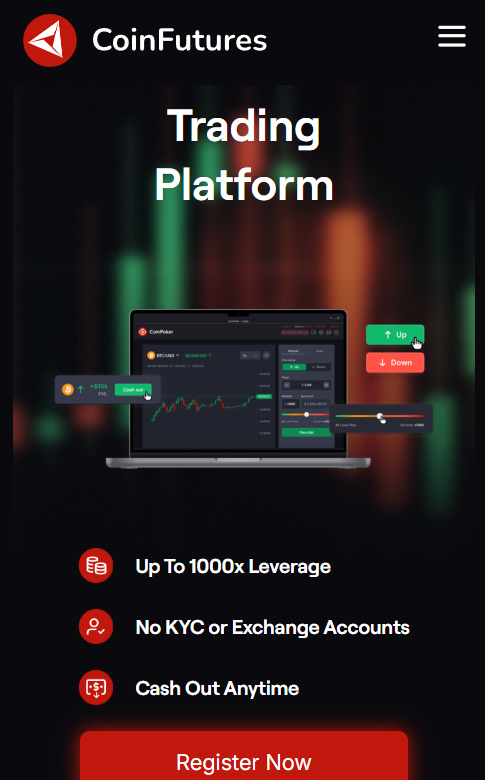
Bitcoin futures let you bet on price direction without actually owning the underlying asset – think of it as crypto’s version of sports betting, but with 1000x more volatility and potential for both massive gains and devastating losses. However, it’s essential to understand the inherent risks of trading Bitcoin futures, as the market’s unpredictable, volatile nature can lead to significant losses.
CoinFutures has emerged as the go-to platform for retail traders wanting exposure to Bitcoin’s price swings without the hassle of managing actual coins.
The platform’s gamified interface makes futures trading surprisingly addictive – er, engaging. You simply pick “Up” or “Down” based on where you think Bitcoin’s heading, choose your leverage (up to 1000x, though anything above 100x is basically financial suicide), and watch your position either moon or get liquidated faster than you can say “diamond hands.”
CoinFutures offers automated stop-loss and take-profit orders, which can save your bacon when Bitcoin decides to dump 15% in ten minutes while you’re sleeping.
How to Buy Bitcoin Anonymously?
Privacy matters, especially as governments expand their surveillance reach. Here are your options for buying Bitcoin without leaving a digital breadcrumb trail.
- Bitcoin ATMs: Bitcoin ATMs remain the gold standard for anonymous purchases. These machines facilitate anonymous financial transactions, allowing you to buy Bitcoin without revealing your identity. Find one using CoinATMRadar, bring cash, scan your wallet QR code, and insert bills. Most ATMs allow purchases up to $1,000 without ID verification. After purchase, your Bitcoin is stored in your wallet. Fees run steep – typically 8-20% – but you’re paying for convenience and privacy. Always double-check the machine’s rates before feeding it your hard-earned cash.
- P2P: Peer-to-Peer Platforms like Bisq, LocalBitcoins, and HodlHodl connect buyers directly with sellers. Payment methods range from cash deposits to gift cards to precious metals. The process requires patience and street smarts. Check seller ratings, use escrow services, and never rush transactions. One bad trade with an unverified seller can cost you everything.
- Best Wallet: Best Wallet’s P2P Features eliminate traditional escrow risks, as trades occur 100% on-chain: no middleman holding your funds, no risk of exit scams. But you’ll still need to find sellers willing to accept anonymous payment methods.
Pro Tip: Mix your purchased Bitcoin through privacy tools like Wasabi Wallet or Samourai Wallet (when it returns) to break transaction links. Not illegal, just smart operational security.
How Old Do You Have to Be to Buy Bitcoin?
18 years minimum for most legitimate platforms. This isn’t arbitrary – it’s law. The Bank Secrecy Act and anti-money laundering regulations require exchanges to verify customer identities, and minors can’t legally enter binding contracts. In some countries, however, Bitcoin is recognized as legal tender, which may affect age and regulatory requirements depending on local laws.
Some workarounds exist:
- Parent/Guardian Accounts: Adults can buy Bitcoin and gift it to minors
- Bitcoin ATMs: Many don’t verify age for small purchases under $1,000
- Cash Transactions: Peer-to-peer trades with trusted individuals
If you’re a teenager, focus on education first. Learn about private keys, hardware wallets, and Bitcoin’s underlying technology. By the time you turn 18, you’ll be lightyears ahead of friends just discovering crypto through TikTok hype.
In case you are a college student, you can start small with DCA strategies. $25-50 per month beats trying to time the market with your limited budget. Many students blow their first Bitcoin investment on shitcoin gambling – don’t be that guy.
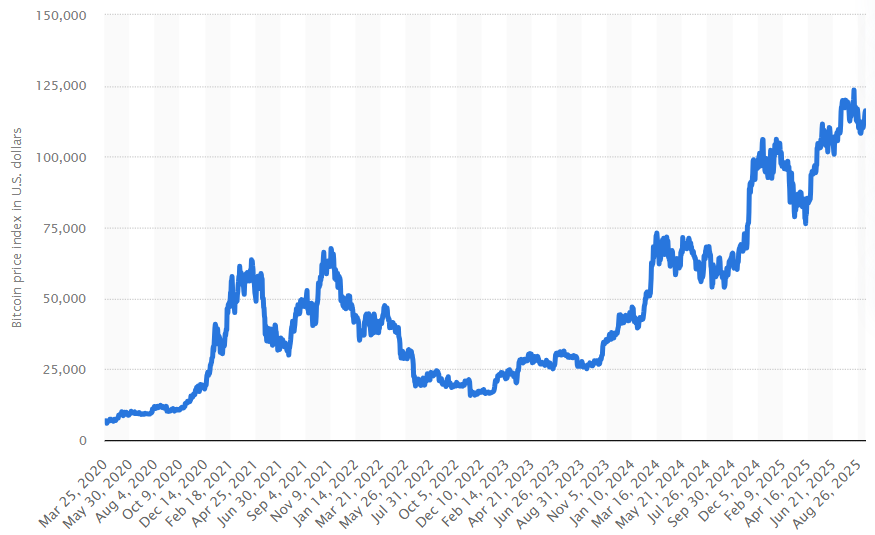
Which is the Best Time to Buy Bitcoin?
The $100 million question that’s spawned countless YouTube channels and trading courses. Here’s what actually works.
- Dollar Cost Averaging (DCA): Invest a fixed amount regularly, regardless of price. Michael Saylor famously used this approach for MicroStrategy, building a central Bitcoin position at an average cost of around $30,000.
- Fear and Greed Index: Buy when fear peaks (index < 20) and others are panic-selling; be cautious or take profits when greed surges (index > 80).
- Bitcoin Rainbow Chart: Use this visual tool to spot long-term buying zones (green indicates value, red indicates overvaluation). Currently, Bitcoin sits in a neutral yellow/orange area.
- Buy the Dip: Set alerts for 15–20% corrections from recent highs. These dips often recover quickly, offering solid entry points for patient investors.
- Macro Events: Watch for Fed rate cuts, bank crises, or global tensions. These moments often drive renewed demand for Bitcoin as investors seek alternatives.
- Avoid Catching Falling Knives: If Bitcoin crashes 50%+ in a short span, wait for stabilization—capitulation can persist, and timing rebounds is notoriously tricky.
How to Buy Bitcoin with a Bank Account?
Bank transfers offer the lowest fees but require patience. Here are the main ways to buy Bitcoin with fiat money.
ACH Transfers (United States)
Automated Clearing House transfers process within 3-5 business days at minimal cost, typically under 0.5%. Platforms like Coinbase Pro and Kraken support ACH funding for USD deposits. This method suits planned purchases where timing isn’t critical.
Wire Transfers
Domestic wires process same-day but incur $15-25 fees. International wires cost more and take longer. Only economical for larger purchases ($5,000+) where the flat fee becomes a negligible percentage of the total transaction.
SEPA Transfers (Europe)
Single Euro Payments Area transfers function similarly to ACH – low cost but slower processing. Major exchanges like Binance and Bitstamp accept SEPA transfers with competitive fiat currency conversion rates.
Important to know: Cryptocurrency transactions create permanent records accessible to financial institutions and potentially government agencies. Some banks flag crypto-related transfers and occasionally freeze accounts pending investigation. Maintain documentation proving the legitimacy of funding sources to expedite any reviews.
Choosing the Right Bitcoin Wallet
Before you buy Bitcoin, you need a secure place to store it. A crypto wallet is a tool (software or hardware) that stores your private keys — the codes that give you control over your BTC. Without the right wallet, your Bitcoin remains vulnerable to hacks, scams, or platform failures. Needless to say, you would adopt the same logic when planning how to buy Ethereum.
1. Hardware Wallets (Cold Storage)
Hardware wallets are the most secure way to store Bitcoin, keeping private keys offline and away from hacks and malware. However, there are roughly half a billion crypto users worldwide, and only about 2% store their private keys using hardware wallets, according to CCN.
Demand is rising quickly, with over 5.8 million hardware wallets shipped globally in 2024 and 71% of crypto users now preferring them for their advanced encryption, key control, and broad coin support.
2. Software Wallets (Desktop/Desktop Applications)
Software wallets, such as Electrum or Exodus, run locally on your computer and offer a strong balance between control and convenience. You keep your private keys, and the wallet remains non-custodial, which means you are in charge of your Bitcoin.
Last year (2024), 56% of all crypto wallets were hot wallets, including desktop, web, and mobile apps, reflecting their widespread use according to Investopedia. Software wallets work well with DeFi platforms and staking services, and while they are more exposed to malware than offline storage, they remain popular for active traders who need fast access.
3. Mobile Wallets
Mobile wallets are smartphone apps that let you send, receive, and store Bitcoin anywhere. QR code scanning makes transactions quick and simple, and some wallets also support Lightning payments.
Research published on ResearchGate shows that mobile wallets are the most preferred type among everyday crypto users, thanks to their convenience. However, storing large amounts in a mobile wallet is risky, as devices can be lost, stolen, or infected with malware.
For small daily transactions, they are highly practical, provided your phone is well secured with PIN codes, biometrics, and encrypted backups.
4. Web Wallets (Exchange or Browser-Based)
Web wallets are accessible from any device through a browser or exchange account, making them easy to set up and use. They are popular with beginners and traders on platforms like Binance and Coinbase, but they are custodial, meaning the service holds your private keys.
If the platform is hacked or fails, you can lose your Bitcoin – the FTX collapse is a prime example. While features like two-factor authentication and withdrawal whitelists improve security, web wallets should only be used for small balances or short-term storage, not for your central holdings.
5. Paper Wallets
Paper wallets, simply your public and private keys printed on paper, are a form of cold storage without requiring a device. They carry zero digital footprint, eliminating online attack vectors. Yet paper is fragile: easily lost, damaged, or misprinted.
The setup process can be tricky, too, risking user error. While they offer ultimate isolation, they’re impractical for everyday use or for quickly transferring funds. Generally, they’re only valid when backed by durable storage or as part of a broader strategy. Treat paper wallets with caution if considering them for long-term holdings.
How to Buy Bitcoin Safely: Security Measures
Buying Bitcoin is easy; keeping it safe is what counts. Use these essential security practices to protect your Bitcoin from hackers, scammers, and mistakes:
| Security Measure | Why It Matters |
|---|---|
| Hardware Wallets | Best protection for large amounts. Devices like Ledger or Trezor safeguard your Bitcoin offline. |
| Two-Factor Authentication | Adds an extra layer to logins. Use Google Authenticator or Authy for time-based security codes. |
| Separate Email Accounts | Reduces risk. Create a unique email address for crypto accounts, use strong passwords, and enable 2FA. |
| Phishing Awareness | Avoid fake sites. Always use bookmarks or manually enter exchange URLs to prevent credential theft. |
| Secure Connections | Only access exchanges or wallets via HTTPS to ensure your data isn’t intercepted or compromised. |
| Never Share Private Keys | Keep seed phrases secret. No legitimate support will ever request them; sharing means losing funds. |
Bitcoin Investment Strategies
While there isn’t a single strategy that guarantees success, there are some proven methods that work.
- HODL Strategy remains king for long-term believers. Buy Bitcoin, store it securely, ignore short-term price movements. Historical data shows this approach outperforms trading for 80%+ of investors, making it a popular method for those seeking to add Bitcoin to their diversified investments.
- DCA Plus Dips combines regular purchasing with opportunistic buying during major corrections. Allocate 70% to monthly DCA, save 30% for buying 20%+ dips. This strategy is often used in cryptocurrency investments to manage risk and potentially enhance returns.
- The 1% Rule suggests allocating 1% to 5% of investment portfolios to Bitcoin. Financial advisor David Swensen recommended this approach before his passing, noting Bitcoin’s benefits for portfolio diversification. As with all cryptocurrency investments, thorough research is essential before committing funds.
- Lightning Network Integration enables instant, low-fee Bitcoin transactions. Apps like Strike and Cash App use Lightning for payments, making Bitcoin practical for daily use beyond speculation.
- Bitcoin Yield Strategies offer 3-8% annual returns through lending platforms like BlockFi and Celsius. But remember: not your keys, not your crypto. These platforms carry counterparty risks, as Celsius users learned the hard way in 2022.
This section does not constitute investment advice. Always do your own research and consider consulting a financial advisor before making any investments.
Conclusion
Bitcoin buying in 2026 doesn’t require a computer science degree or Wall Street connections. Download Best Wallet, secure your seed phrase, start with small amounts, and focus on education over speculation.
The crypto space moves fast, but fundamental principles remain constant: control your private keys, never invest more than you can afford to lose, and avoid getting caught up in shitcoin casino games.
Whether Bitcoin hits $200k or crashes to $30k next year, starting with proper security practices and realistic expectations puts you ahead of 90% of crypto investors. The technology isn’t going anywhere, and neither should your long-term conviction.
Bitcoin is recognized and used worldwide as the leading cryptocurrency, marking a new era of digital money with global adoption and significance.
Start small, think big, and remember – we’re still early in Bitcoin’s adoption curve. Traditional finance is just beginning to understand what cypherpunks figured out 15 years ago.
How to Buy Bitcoin FAQs
Is Bitcoin a good investment?
How much is 1 Bitcoin worth?
Should I buy Bitcoin now?
How can I store Bitcoins safely?
Sources:
