


Jamie Dimon vs. CLARITY Act: JPMorgan Battles the Crypto Sector
We may earn commissions from affiliate links or include sponsored content, clearly labeled as such. These partnerships do not influence our editorial independence or the accuracy of our reporting. By continuing to use the site you agree to our terms and conditions and privacy policy.

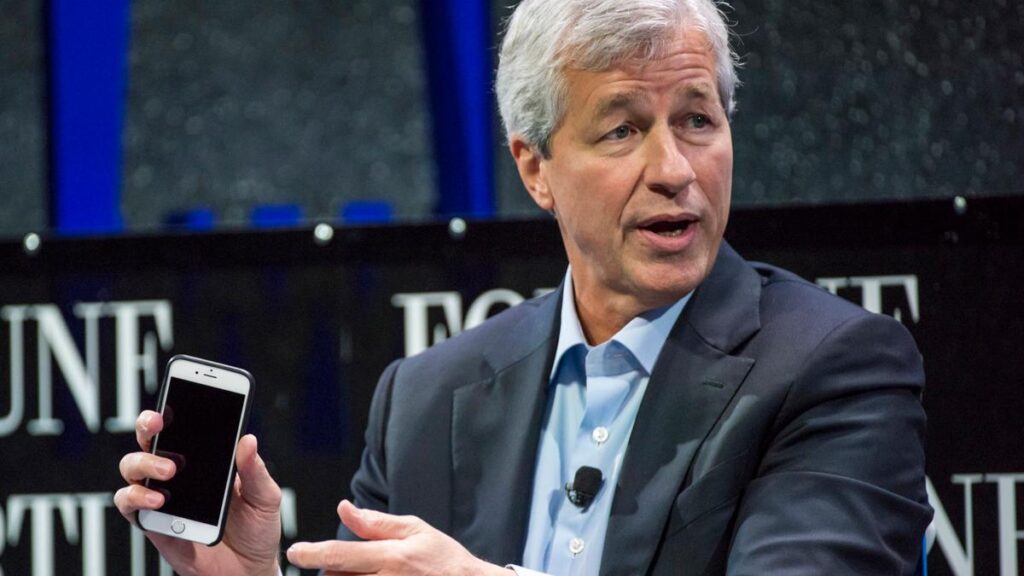
JPMorgan CEO Jamie Dimon slams the CLARITY Act, sparking a high-stakes battle between traditional banks and the crypto industry over stablecoin regulations.
The friction between US banks and the crypto industry has entered a new phase after JPMorgan Chase CEO Jamie Dimon openly opposed the CLARITY Act. This bill aims to establish the first broad regulatory framework for digital assets in the United States.
Dimon’s comments suggest the debate has moved beyond the technology itself. The stakes are high, centered on who will control trillions of dollars in consumer savings over the next decade.
At the heart of the dispute is the ability of crypto companies to reward customers for holding stablecoins. While the crypto sector views this as a natural evolution of digital finance, banks see it as the creation of a parallel banking system that operates without the same capital requirements and regulatory constraints.
If passed in its current form, the law would allow Coinbase and other major platforms to offer yields on digital dollars backed by US Treasuries. This model already generates billions in revenue for stablecoin issuers and is beginning to compete directly with traditional banking products.
Banks see a threat to deposits
For JPMorgan, the risk is far from theoretical. American banks rely heavily on deposits as a primary source of funding. Any mass migration of funds toward stablecoins could drive up financing costs and squeeze profit margins across the sector.
This explains why Dimon focused his criticism on crypto companies offering products that resemble bank deposits without being regulated as banks.
Industry insiders suggest that the dispute over stablecoins remains the most contentious part of the CLARITY Act and could ultimately decide the bill’s fate in the Senate.
Washington becomes the new battlefield
Beyond the regulatory technicalities lies the growing political muscle of the crypto sector. Over the past two years, the industry has funneled record amounts into lobbying and election campaigns, establishing itself as a formidable force in Washington.
This shift underscores Dimon’s unusually sharp tone toward Coinbase and its CEO, Brian Armstrong. The banker is effectively signaling that the largest US bank will not allow the crypto industry to dictate the rules of the game without a fight.
The situation is paradoxical, given that JPMorgan is also developing blockchain infrastructure and experimenting with its own digital payment solutions. This suggests the conflict isn’t between traditional finance and technology, but rather between two competing models for control over the future financial system.


 Commentaries



Fill in necessary fields and publish