


First Bitcoin-Backed Mortgage Guaranteed by Fannie Mae Issued
We may earn commissions from affiliate links or include sponsored content, clearly labeled as such. These partnerships do not influence our editorial independence or the accuracy of our reporting. By continuing to use the site you agree to our terms and conditions and privacy policy.

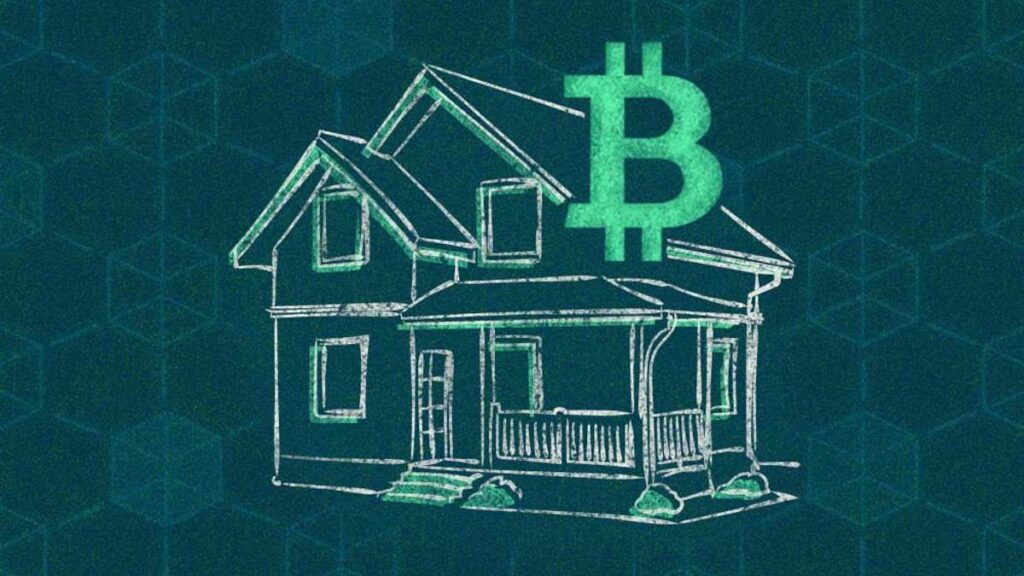
A landmark deal in Michigan marks the first Bitcoin-backed mortgage with Fannie Mae guarantees, bridging digital assets and traditional housing finance.
The first mortgage guaranteed by Fannie Mae and secured by Bitcoin is now a reality. This transaction marks a new era for the American housing sector, treating digital assets not merely as speculative investments but as functional tools for property acquisition.
Analysts view this case as a critical test to determine whether cryptocurrencies can secure a permanent position within the broader financial system.
A New Model for Homebuyers
Developed through a partnership between Better Home & Finance and Coinbase, this financial product utilizes Better as the lender and Coinbase as the institutional custodian. Coinbase is responsible for storing the digital assets and ensuring all regulatory requirements are met.
The inaugural deal was closed by a family in Ann Arbor, Michigan, purchasing their first home. Rather than selling their Bitcoin, they utilized it as collateral for the loan. This strategy allowed them to maintain their investment positions without the need to convert their holdings into cash.
According to the company, many potential clients possess sufficient income and strong credit histories but lack the liquid cash required for a down payment. This is often because a significant portion of their wealth is tied up in cryptocurrency investments.
High Collateral Requirements to Mitigate Risk
To protect against market volatility, the model imposes strict collateralization standards. Borrowers using Bitcoin must pledge assets valued at 250% of the down payment amount. For those using the stablecoin USDC, the requirement is set at 125%.
These mortgages also carry a higher price tag than traditional home loans. Interest rates are typically 0.5 to 1.5 percentage points higher, reflecting the premium lenders charge for the added risk associated with digital asset volatility.
Crucially, unlike standard crypto lending, this model does not trigger automatic liquidation of collateral during sharp price drops. This feature protects investors from losing their assets during temporary market turbulence.
The Future of the Mortgage Market
The introduction of this product has already sparked political debate. Some U.S. lawmakers warn that integrating cryptocurrencies into housing finance could heighten systemic risk. Critics argue that a prolonged market downturn could erode collateral value and indirectly expose the government to risk, given that Fannie Mae remains under federal conservatorship.
Conversely, supporters see an opportunity to modernize the mortgage industry. They contend that millions of Americans now hold substantial savings in digital assets, and the traditional banking system must evolve to reflect this reality.
Analysts expect that if these initial transactions prove successful, other mortgage lenders will likely introduce similar products. This could gradually transform crypto assets into a recognized financial resource for home buying, signaling a shift where digital wealth serves as collateral alongside traditional financial instruments.


 Commentaries



Fill in necessary fields and publish