






Vitalik Buterin Warns Digital ID Projects Could End Pseudonymity
We may earn commissions from affiliate links or include sponsored content, clearly labeled as such. These partnerships do not influence our editorial independence or the accuracy of our reporting. By continuing to use the site you agree to our terms and conditions and privacy policy.

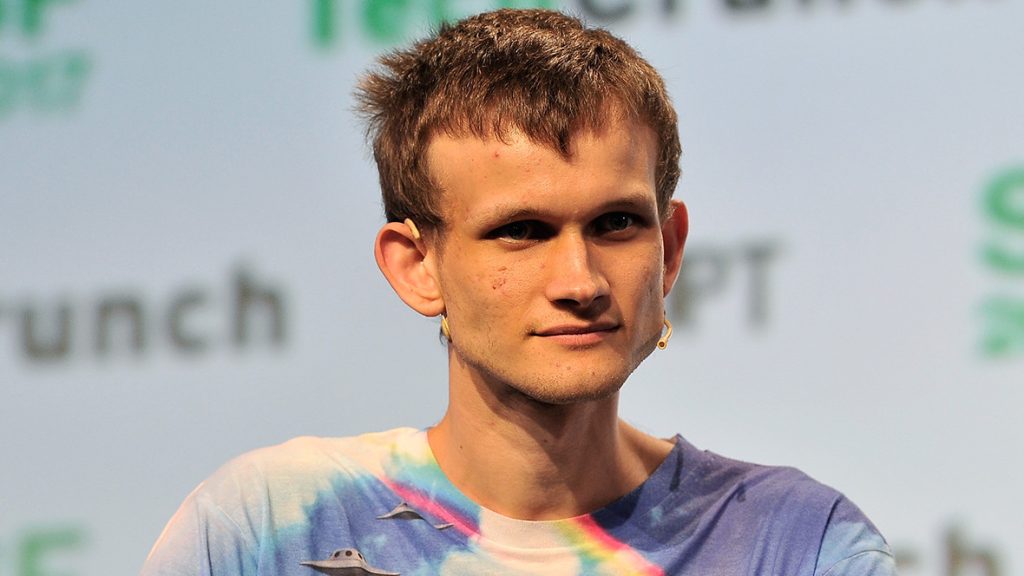
Ethereum co-founder Vitalik Buterin has voiced concerns over the rise of zero-knowledge (ZK) digital identity projects, specifically warning that systems like World — formerly Worldcoin and backed by OpenAI’s Sam Altman — could undermine pseudonymity in the digital world.
In a post published on Saturday, Buterin addressed the benefits and risks of digital ID models that use zero-knowledge proofs to verify user authenticity without revealing personal data. While these systems are designed to prove a user is a “unique human,” Buterin cautioned that the current trajectory may lead to a centralized, rigid identity framework.
“Under one-per-person ID, even if ZK-wrapped, we risk coming closer to a world where all of your activity must de-facto be under a single public identity,” he wrote.
World and the Growing Trend of ZK-Wrapped Digital Identity
World claims to have signed up over 13 million users using its biometric-scanning Orb device to assign a unique ID. While the project employs ZK proofs to safeguard identity data, Buterin remains skeptical of the long-term implications.
He argued that even privacy-preserving mechanisms like ZK proofs could become problematic if linked to rigid, one-to-one digital identities. In such a model, users might no longer be able to manage multiple pseudonymous accounts, a core feature of today’s digital landscape.
“Taking away the option for people to protect themselves through pseudonymity has significant downsides,” Buterin warned, especially in an era of increasing technological threats like AI and drones.
Read More:
FEPE token
The Case for a Pluralistic Identity System
While Buterin acknowledged ZK-wrapped ID systems could help combat spam, bots, and AI-generated manipulation across social media, voting, and online services, he emphasized the need for flexibility.
He cautioned that social apps could easily default to “one ID, one account,” which would mimic a real-name policy and stifle personal privacy. Instead, he proposed a pluralistic approach, where no single platform or government controls identity issuance.
“Weak ID systems, like Google accounts today, still let users manage multiple accounts,” Buterin said. “We should preserve that flexibility rather than enforcing rigid identity structures.”


 Commentaries










Fill in necessary fields and publish