


Musk Takes OpenAI to Court Over Its For-Profit Transformation
We may earn commissions from affiliate links or include sponsored content, clearly labeled as such. These partnerships do not influence our editorial independence or the accuracy of our reporting. By continuing to use the site you agree to our terms and conditions and privacy policy.

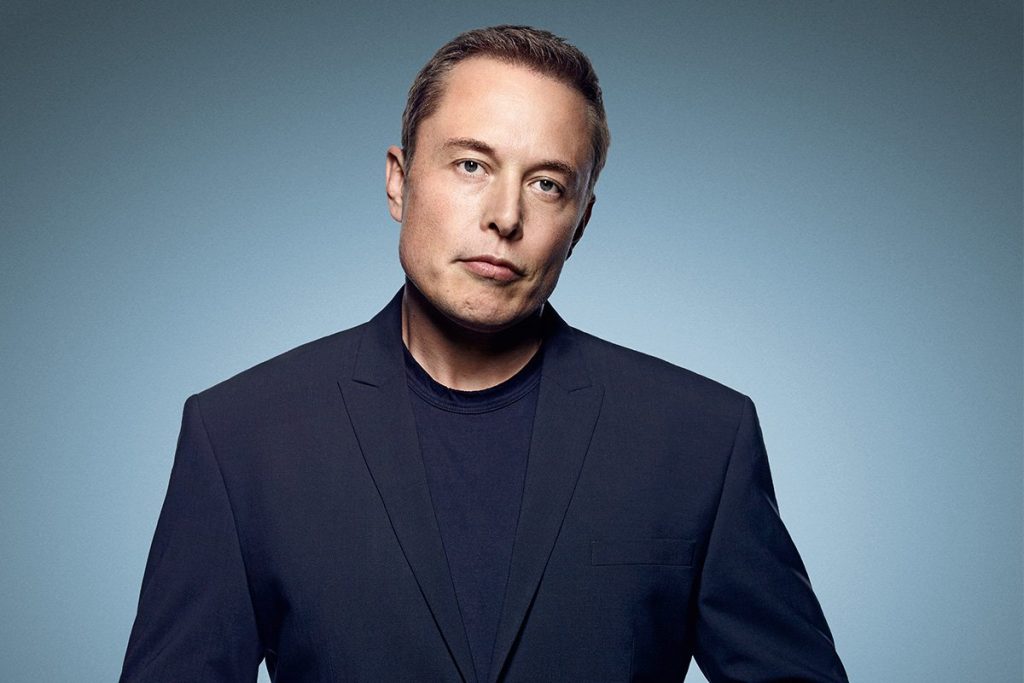
Elon Musk has launched a major legal challenge against OpenAI, demanding compensation that could total as much as $134 billion.
The lawsuit represents a sharp escalation in a years-long rift between Musk and the artificial intelligence firm he helped establish, and it has the potential to become one of the most significant court battles the technology sector has ever seen.
At the core of the dispute is Musk’s claim that OpenAI’s extraordinary rise – now placing it among the world’s most valuable private companies – was built in part on his early capital, influence, and strategic involvement. Musk argues that while OpenAI was initially formed as a nonprofit with a public-interest mission, its later transition into a commercial, profit-generating structure allowed others to capture value created during its formative years, excluding him in the process.
From nonprofit ideals to commercial powerhouse
The lawsuit revisits OpenAI’s origins in 2015, when it was presented as a nonprofit initiative aimed at advancing artificial intelligence responsibly. Musk was one of its co-founders and among its earliest financial backers, contributing an estimated $38 million during its early development. His legal team contends that OpenAI’s later adoption of a capped-profit and commercial framework fundamentally changed the understanding under which early contributors supported the project.
Beyond the individuals involved, the case carries broader implications for the tech industry. As more nonprofit ventures transition into highly valuable commercial entities, the outcome could influence how founders’ rights, early funding arrangements, and governance structures are defined in the future. While OpenAI has yet to formally respond, the lawsuit adds to growing debate over accountability and ownership in the rapidly expanding AI economy.
Musk has framed the confrontation in resolute terms, suggesting confidence despite acknowledging past setbacks. Whether that confidence holds up in court remains uncertain, but the case is already shaping up to be a defining moment in the legal and economic history of artificial intelligence.
Looking for more ideas? Read our full guide to the best meme coins to invest in this year.


 Commentaries









Fill in necessary fields and publish