


USDT Replaces Banks in Venezuela as Sanctions Reshape the Economy
We may earn commissions from affiliate links or include sponsored content, clearly labeled as such. These partnerships do not influence our editorial independence or the accuracy of our reporting. By continuing to use the site you agree to our terms and conditions and privacy policy.

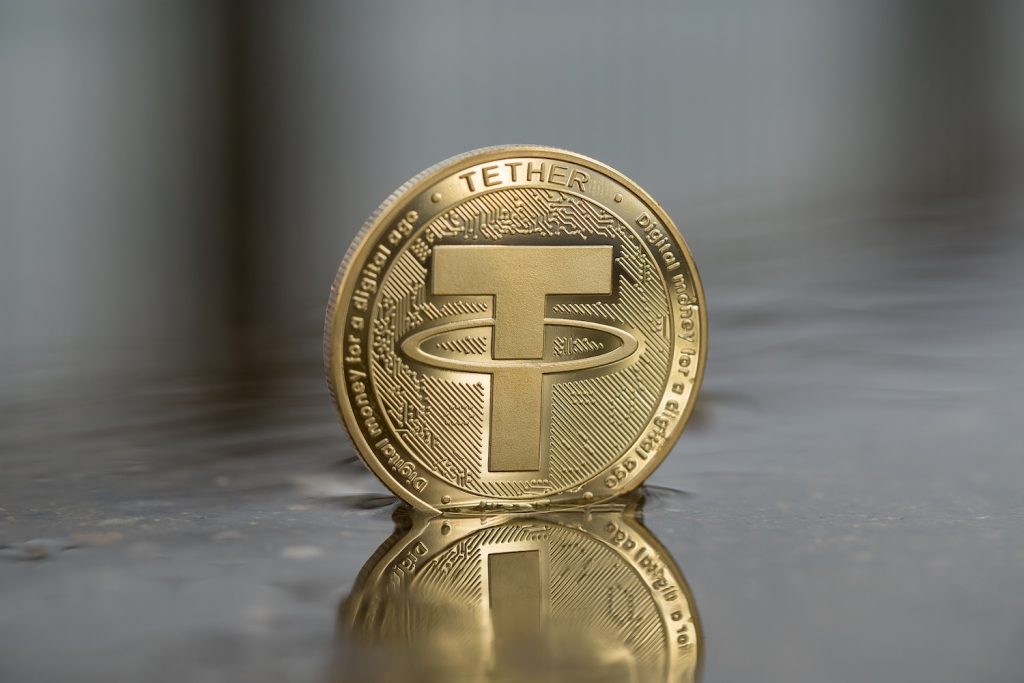
A legal battle surrounding Venezuela’s leadership has unintentionally exposed something far more consequential than the charges themselves: the country now runs, in part, on stablecoins.
Long after headlines fade, dollar-pegged crypto has become an essential layer of Venezuela’s financial system – not as an experiment, but as a necessity.
At the core of this shift is Tether and its token USDT. What began globally as a trading instrument has, inside Venezuela, evolved into a functional replacement for broken banking rails and a collapsing national currency.
Venezuela’s dependence on stablecoins emerged from prolonged isolation. As sanctions tightened, access to international banks shrank, making conventional dollar settlements increasingly unworkable. To keep oil revenues flowing, the country’s state producer, Petróleos de Venezuela, shifted payment flows away from traditional finance. Buyers paid through intermediaries that ultimately converted proceeds into USDT, sidestepping blocked correspondent banks. What started as improvisation gradually hardened into standard practice.
From export revenues to everyday money
What makes Venezuela’s case distinctive is how this system spread beyond state finances. As inflation eroded the bolívar and physical U.S. dollars became scarce, the same digital dollars used in oil trade filtered into daily economic life. USDT is now commonly used for remittances, informal wages, savings, and peer-to-peer transactions. For many households, it provides something local banks no longer can: stable purchasing power.
This shift was not driven by ideology or trust in authorities, but by practicality. Previous attempts to launch a government-backed cryptocurrency failed because citizens did not believe in them. Stablecoins succeeded precisely because belief was unnecessary – only access to a smartphone and the internet.
According to Paolo Ardoino, Venezuela reflects a broader pattern seen in economies where currencies decay slowly rather than collapse overnight. In those conditions, digital dollars do not replace money in one dramatic moment; they quietly fill gaps until they become indispensable.
The legal scrutiny surrounding President Nicolás Maduro has drawn renewed attention to these financial flows. Transactions linked to sanctioned entities are increasingly monitored, and Tether has said it cooperates with authorities by freezing wallets when legally required. That role underscores a core tension identified by firms such as TRM Labs: stablecoins can act as a civilian lifeline while simultaneously complicating sanctions enforcement, depending on who controls the funds.
What remains unchanged are the conditions that drove adoption in the first place. Inflation is still high, institutional trust remains fragile, and access to traditional dollars is limited. Even if political circumstances evolve, the habits and infrastructure built around stablecoins are unlikely to unwind quickly.
In Venezuela today, USDT is no longer a workaround or a crypto trend. It has become the connective tissue of an economy that learned to function after its conventional financial systems stopped working.
Looking for more ideas? Read our full guide to the best meme coins to invest in this year.


 Commentaries








Fill in necessary fields and publish