






Vitalik Buterin Unveils ‘Lean Ethereum’ for Multi-Year Shift
We may earn commissions from affiliate links or include sponsored content, clearly labeled as such. These partnerships do not influence our editorial independence or the accuracy of our reporting. By continuing to use the site you agree to our terms and conditions and privacy policy.

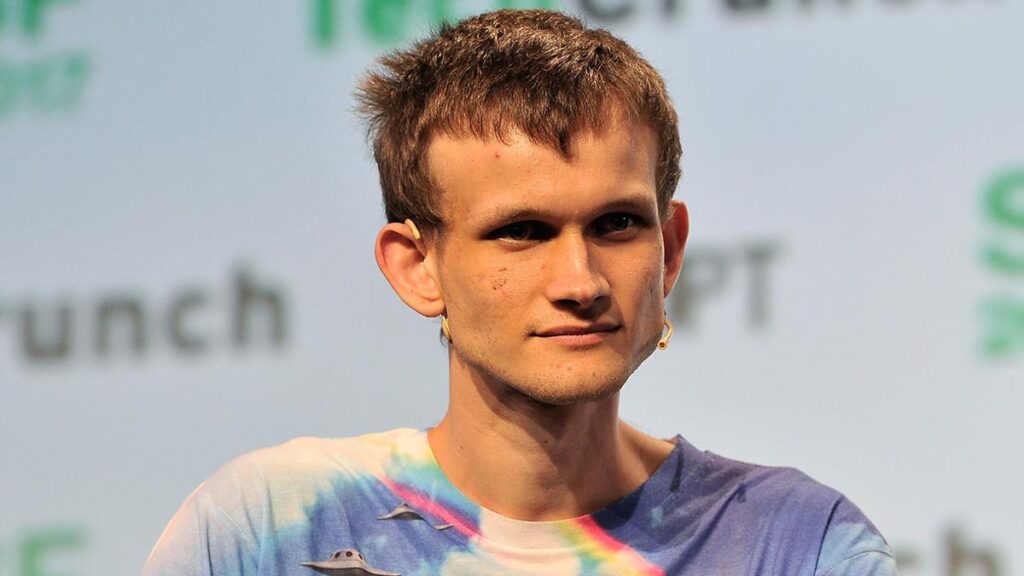
Vitalik Buterin introduces 'Lean Ethereum,' a multi-year strategy to simplify the protocol, enhance scalability, and prepare for quantum computing threats.
The “Lean Ethereum” plan was announced following a series of technical meetings in Berlin, marking a strategic pivot for the project. Instead of isolated, massive upgrades, the network will undergo a consistent architectural transformation over the next three to four years.
Two weeks ago, Ethereum researchers met in Berlin to continue charting the protocol's long-term trajectory, following along discussions with client teams in Svalbard in April.
— vitalik.eth (@VitalikButerin) July 4, 2026
The updated strawmap is at https://t.co/HZEerH1xxI, and I attached a picture of it to this post.
My… pic.twitter.com/KPGayHSySf
Ethereum Moves Toward Simplified Architecture
Unlike landmark updates such as “The Merge,” this new strategy is not a single upgrade but a broad vision for the network’s long-term evolution.
The main priorities include protocol simplification, increased scalability, built-in privacy protections, formal security, and preparation for the era of quantum computing.
A core element of this shift is the transition to recursive STARK verification. Under this model, validators will no longer re-execute every transaction; instead, they will verify cryptographic proofs. According to Buterin, this will significantly lower hardware requirements for network participants while boosting overall transaction capacity.
Quantum Security Becomes a Strategic Priority
One of the most critical changes involves preparing Ethereum for future threats posed by the advancement of quantum computers.
Developers are already integrating quantum-resistant cryptographic algorithms, including digital signature schemes optimized for the Ethereum Virtual Machine (EVM). Buterin emphasized that such protections must be established long before quantum technology becomes a tangible threat to public blockchain networks.
In parallel, new data storage models are being planned to manage the network state more efficiently. The goal is for Ethereum to support a global ledger exceeding 100 terabytes by the end of the decade. For specific applications—including ERC-20 tokens and NFTs—transaction costs could drop by more than tenfold.
Faster Consensus and New Execution Environments
The roadmap also details changes to the consensus mechanism, where block finalization will require only one or two rounds of confirmation. This shift aims to reduce latency and make transaction settlement times more predictable.
Buterin also proposed expanding execution environments beyond the traditional Ethereum Virtual Machine. While the EVM will remain the primary infrastructure, developers will be able to utilize additional architectures like RISC-V and leanISA for applications requiring higher performance or specialized features, such as enhanced privacy.
The Next Stage of Ethereum’s Evolution
Before the new architecture begins, ETH will undergo the final major hard fork of the current generation, known as Hegota (H-star). This will be followed by the I-star series of updates, which will officially launch the Lean Ethereum era.
Planned stages also include the Glasterdam upgrade, designed to increase gas limits and transaction capacity to further drive performance.
A fundamental principle of this strategy is maintaining full compatibility with the existing ecosystem. Buterin confirmed that current wallets, tokens, and decentralized applications will continue to function without requiring migrations or changes from users.
Lean Ethereum arrives as the second-largest blockchain by market cap faces pressure from competitors and fluctuating ecosystem interest. This strategy suggests that rather than seeking short-term fixes, Ethereum is pursuing a fundamental modernization to establish the network as a more efficient infrastructure for the next generation of financial and blockchain applications.


 Commentaries










Fill in necessary fields and publish