


Visa and Mastercard Seal Historic Deal After 20-Year Fee Battle
We may earn commissions from affiliate links or include sponsored content, clearly labeled as such. These partnerships do not influence our editorial independence or the accuracy of our reporting. By continuing to use the site you agree to our terms and conditions and privacy policy.

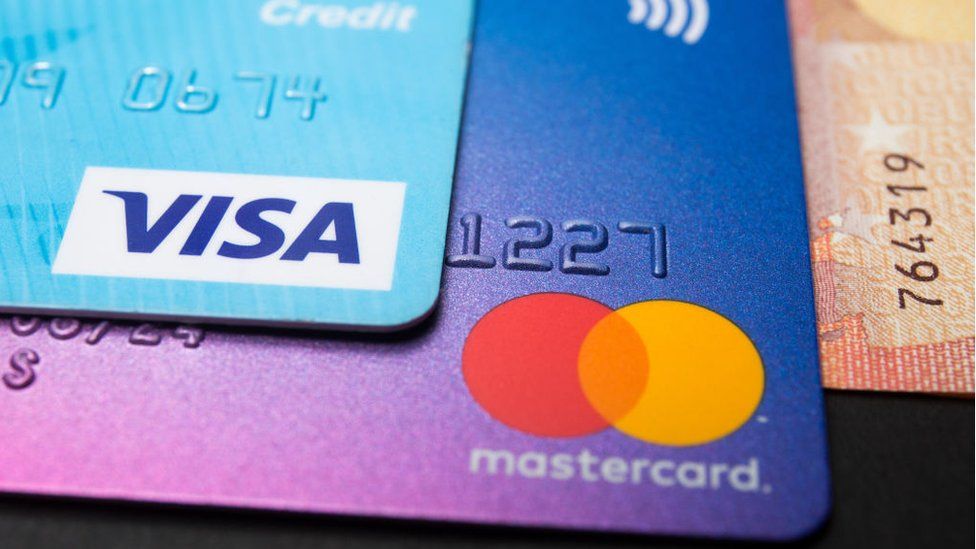
After nearly 20 years of courtroom battles, Visa and Mastercard have finally struck a revised settlement with U.S. merchants, signaling the end of a dispute that has shaped the modern payments industry.
The agreement, unveiled on November 10, 2025, aims to resolve long-standing accusations that the card giants overcharged businesses and restricted competition.
Under the new framework – still awaiting judicial approval – both companies will trim interchange fees and introduce caps to prevent further escalation. The average U.S. credit card fee will fall by 0.1 percentage points for five years, while standard rates will be limited to 1.25%. Merchants will also gain greater autonomy, including the option to reject certain high-fee cards and to add surcharges on transactions to offset processing costs.
A joint education fund will be established to help small and medium-sized businesses navigate new payment structures and better understand cost management.
Read More:
The legal saga dates back to 2005, when retailers accused Visa and Mastercard of colluding to inflate card processing costs. A previous deal collapsed in 2024 after a judge ruled it offered insufficient relief to merchants. This latest version introduces broader fee reductions and fewer restrictions, designed to finally satisfy regulators and industry participants.
Despite optimism, skepticism lingers. Some merchant advocacy groups argue that the changes are too modest and temporary, warning that the card networks could raise fees once the settlement period ends. Others doubt many retailers will actually refuse premium rewards cards for fear of alienating affluent customers.
The timing of the deal is significant: as digital wallets, instant payments, and blockchain settlements increasingly challenge traditional networks, Visa and Mastercard are under pressure to modernize. The compromise could reduce legal friction while helping them retain influence in an evolving financial ecosystem.
If approved, the agreement would close one of the longest-running antitrust battles in U.S. history – and reshape how billions of daily transactions are priced and processed across the country.


 Commentaries






Fill in necessary fields and publish