


Criminal Investigation Escalates Showdown Between Trump and Fed Chair Powell
We may earn commissions from affiliate links or include sponsored content, clearly labeled as such. These partnerships do not influence our editorial independence or the accuracy of our reporting. By continuing to use the site you agree to our terms and conditions and privacy policy.

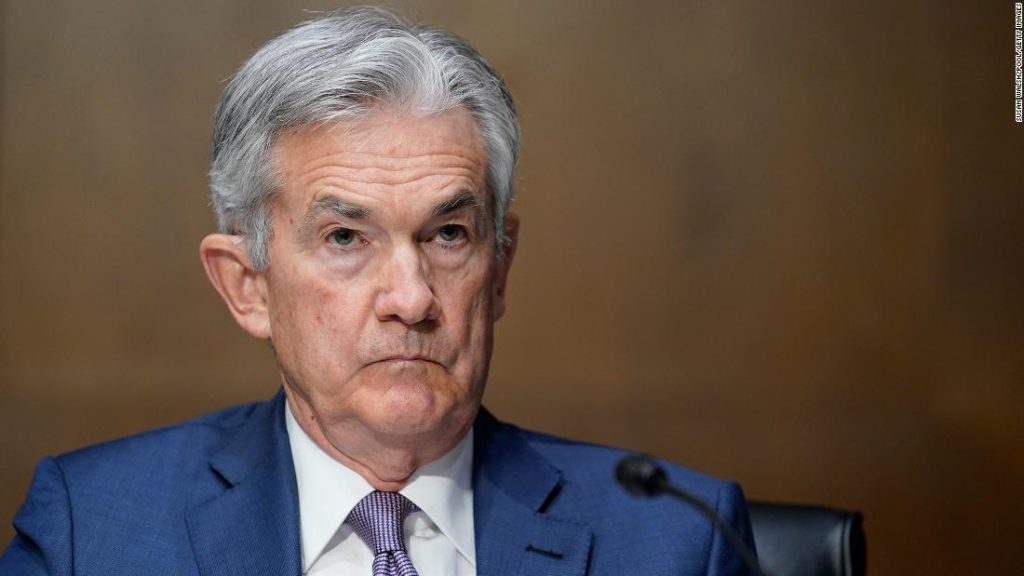
Tensions between the White House and the U.S. central bank escalated dramatically over the weekend after Jerome Powell revealed that the U.S. Department of Justice has launched a criminal investigation involving the Federal Reserve.
The disclosure marks the sharpest turn yet in Powell’s increasingly fraught relationship with Donald Trump since Trump’s return to office.
According to Powell, federal prosecutors have issued grand jury subpoenas connected to testimony he delivered to Congress in June 2025. That testimony addressed the controversial $2.5 billion renovation of the Federal Reserve’s headquarters – a project that has drawn political scrutiny but, until now, no criminal allegations. Powell characterized the investigation as unprecedented for a sitting Fed chair.
Powell frames investigation as political pressure
In a rare and unusually blunt video statement, Powell dismissed any suggestion of misconduct and portrayed the probe as an attempt to intimidate the central bank. He argued that the threat of criminal charges is being used as leverage to pressure the Fed into cutting interest rates faster than policymakers believe is justified by economic conditions.
The remarks underscored how personal and institutional the conflict has become. While Powell’s term as chair ends in May 2026, his seat on the Fed’s Board of Governors runs until January 2028. Some analysts believe the legal pressure could harden Powell’s resolve to remain on the board even after stepping down as chair, rather than exiting quietly.
Interest rates remain the core fault line
The investigation lands against the backdrop of a long-running dispute over monetary policy. Since early 2025, Trump has repeatedly attacked Powell for what he views as excessive caution on rate cuts, arguing that faster easing is necessary to boost growth. The Fed, by contrast, has emphasized lingering inflation risks and financial stability concerns.
The situation is further complicated by parallel legal action targeting another central bank official. The administration is seeking to remove Fed Governor Lisa Cook over mortgage fraud allegations she denies, with oral arguments in that case scheduled before the Supreme Court later this month. Together, the moves have fueled fears that the Fed is facing coordinated political and legal pressure.
Succession plans and market fallout
At the same time, the White House is laying groundwork for Powell’s eventual replacement. Trump is expected to name a nominee for the next Fed chair as early as February, with economic adviser Kevin Hassett and former Fed Governor Kevin Warsh widely seen as leading contenders.
Markets reacted swiftly once news of the probe became public on January 12. The U.S. dollar weakened, while gold surged to fresh record highs above $4,600 per ounce as investors sought safety amid rising political uncertainty.
The confrontation has also spilled into Congress. Republican Senator Thom Tillis said he would block confirmation of any future Federal Reserve nominees until the legal questions surrounding Powell are resolved, warning that both central bank independence and prosecutorial credibility are at stake.
With Powell openly challenging the investigation and the administration advancing legal, political, and succession strategies in parallel, the clash has moved beyond a routine policy disagreement. It now sits at the crossroads of monetary authority, law enforcement, and presidential power – a volatile mix for the institution that anchors the global financial system.
Looking for ideas? Read our full guide to the best meme coins to invest in this year.


 Commentaries









Fill in necessary fields and publish