


Tether Taps Big Four Firm for Audit Amid Rising USDT Usage
We may earn commissions from affiliate links or include sponsored content, clearly labeled as such. These partnerships do not influence our editorial independence or the accuracy of our reporting. By continuing to use the site you agree to our terms and conditions and privacy policy.

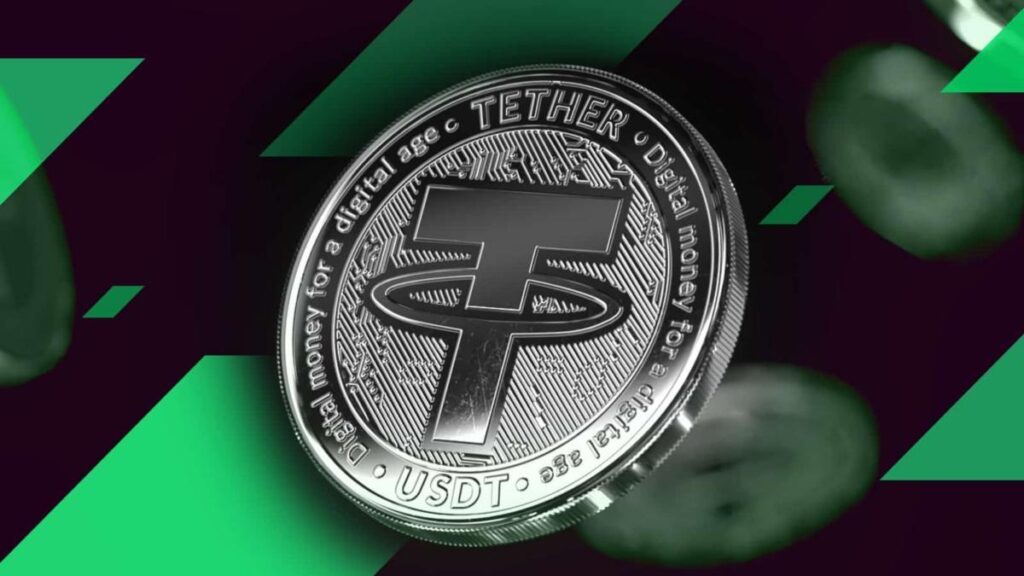
Tether initiates a full audit by a Big Four firm to enhance transparency as USDT usage hits record highs, despite new regulatory risks for stablecoins.
The audit will include a detailed review of assets, liabilities, and internal control mechanisms, going beyond previous periodic reserve attestations.
A Move Toward Greater Transparency
The company has not yet disclosed which of the Big Four accounting firms—Deloitte, EY, KPMG, or PwC—will conduct the review.
According to Tether’s Chief Financial Officer, the selection followed a competitive process intended to solidify reporting standards in line with leading international practices.
Growth in Real-World USDT Adoption
Parallel to these transparency efforts, ecosystem data indicates a sharp rise in the real-world utility of USDT. The Celo network reported reaching over 5 million weekly stablecoin users, processing more than 7.2 million transactions in the last week alone.
USD₮ usage on Celo is reaching new all-time highs!
— Celo.eth/acc 🦇 🌳 (@Celo) March 23, 2026
Celo supported 5M+ USD₮ users & faciliated 7.2M+ USD₮ transactions last week, bringing @Tether's digital dollar to real users throughout the world 🌐 pic.twitter.com/Zh3WZgZKsP
This surge highlights the expanding role of USDT as a payment tool, particularly within emerging markets and mobile financial ecosystems.
Addressing Long-Standing Questions
While the specific firm remains undisclosed, the company emphasizes that the choice was made through a rigorous selection process. The move comes amid persistent questions regarding Tether’s reserve structure, which primarily consists of US Treasuries but also includes gold, Bitcoin, and other assets.
The combination of increased transparency and growing real-world usage places Tether in a stronger position. However, it also underscores how rapidly stablecoins are becoming a critical component of the global financial system.
Crypto Stocks Slide on New Regulatory Risks
Shares of Circle dropped by as much as 18%, while Coinbase lost approximately 8% after a draft of the US Clarity Act raised concerns about strict limitations on stablecoin yields.
The legislative proposal suggests a ban on rewards for passive stablecoin holdings, as well as mechanisms “economically equivalent to interest”—a key factor behind the popularity of USDC.
This sell-off follows a strong rally for Circle, whose shares had gained roughly 170% since the beginning of February.


 Commentaries










Fill in necessary fields and publish