


New US Tax Framework Could Shift Betting Activity to Prediction Markets
We may earn commissions from affiliate links or include sponsored content, clearly labeled as such. These partnerships do not influence our editorial independence or the accuracy of our reporting. By continuing to use the site you agree to our terms and conditions and privacy policy.


Upcoming changes to U.S. tax law could unintentionally reshape the betting landscape, making traditional gambling far less attractive while giving prediction markets a structural advantage, according to a new analysis from Coinbase.
The exchange argues that tax rules scheduled to take effect in 2026 may penalize gamblers even in years when they do not make money, introducing what it describes as “phantom income.” As a result, speculative activity could increasingly migrate away from casinos and sportsbooks toward markets structured as financial instruments.
Gambling Loss Deductions Set to Tighten
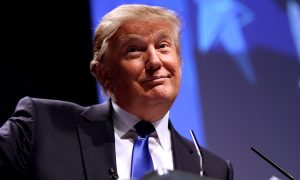
The shift originates from a provision in President Donald Trump’s “One Big Beautiful Bill Act,” enacted in mid-2025. Starting January 1, 2026, gamblers will no longer be able to fully offset losses against winnings for tax purposes.
Under the revised system, only 90% of gambling losses can be deducted against 100% of winnings. This replaces the current rule, which allows losses to be deducted dollar-for-dollar up to total winnings. While the change may appear modest, Coinbase warns it has major implications for frequent bettors.
In practical terms, someone who wins and loses the same amount over a year could still owe taxes on a portion of those winnings. For high-volume or professional gamblers, this could translate into a tax bill despite having no net profit, significantly raising effective tax rates.
Coinbase suggests this dynamic could make regulated U.S. gambling economically unviable for some participants, potentially pushing activity toward offshore platforms or informal markets with fewer consumer protections.
Prediction Markets Benefit From Financial Tax Treatment
In contrast, Coinbase notes that prediction markets operate under a very different tax framework. Many regulated platforms structure their contracts as financial instruments rather than wagers, which places them under commodity or futures tax rules.
For example, platforms such as Kalshi treat their contracts as Section 1256 instruments. This allows traders to fully net losses against gains without the same deduction limits imposed on gambling. In addition, excess losses can be applied against ordinary income up to annual limits and carried forward, offering flexibility unavailable to gamblers under the new rules.
According to Coinbase, this distinction could make prediction markets more attractive for sophisticated participants who are sensitive to tax efficiency.
Broader Regulatory and Market Implications
The analysis also aligns with Coinbase’s broader policy stance. The company has argued that prediction markets should fall under federal oversight by the Commodity Futures Trading Commission, rather than being regulated as gambling at the state level. A unified framework, Coinbase says, would reduce uncertainty around both compliance and taxation.
As the 2026 deadline approaches, Coinbase expects the tax disparity between gambling and prediction markets to become increasingly visible. If left unchanged, the rules could redirect speculative activity toward markets treated as financial trading rather than betting.
The episode underscores a broader point: tax policy can be just as influential as regulation in shaping how and where speculative activity takes place in the U.S. financial system.


 Commentaries








Fill in necessary fields and publish