






Japan Prepares Weeping Crypto Reforms: Tax Cuts and ETF Approval on the Horizon
We may earn commissions from affiliate links or include sponsored content, clearly labeled as such. These partnerships do not influence our editorial independence or the accuracy of our reporting. By continuing to use the site you agree to our terms and conditions and privacy policy.

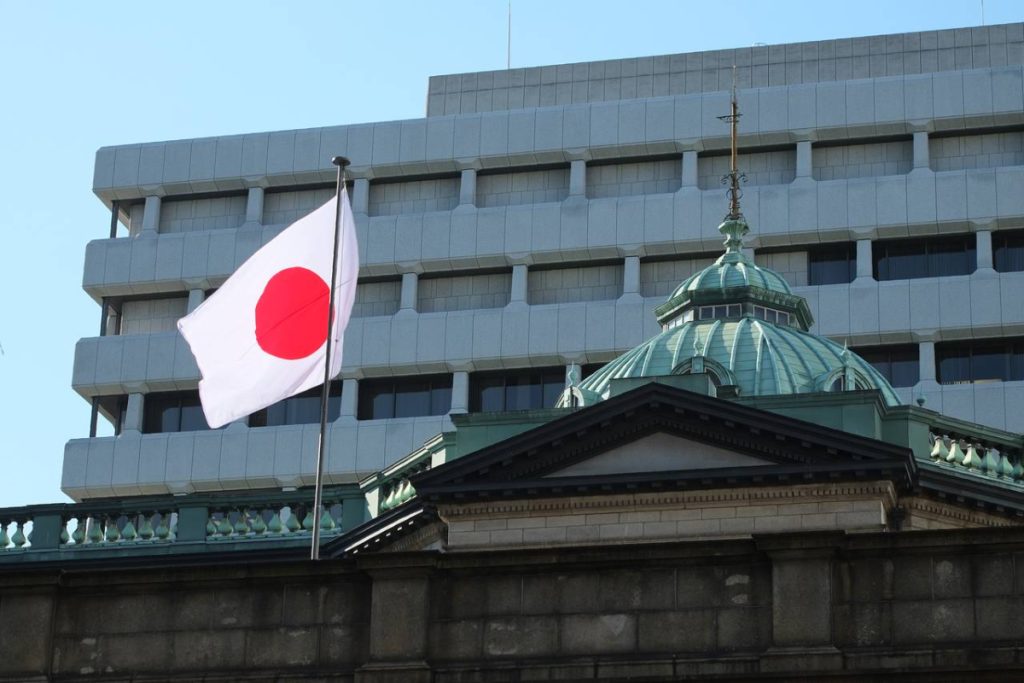
Japan’s Financial Services Agency (FSA) is working on one of its boldest digital asset reform packages yet, combining tax relief and regulatory upgrades aimed at integrating crypto into mainstream finance.
The initiative could pave the way for spot Bitcoin and other crypto ETFs, while encouraging broader adoption across the retail and institutional landscape.
Tax relief to boost investor participation
At present, crypto gains in Japan are treated as “miscellaneous income” and taxed on a progressive scale, with effective rates that can exceed 50%. This places digital assets at a disadvantage compared to equities and bonds, which face a flat 20% levy. The FSA now intends to align cryptocurrencies with that 20% rate beginning in fiscal 2026.
Losses would also be eligible for carry-forward deductions of up to three years, offering crypto investors the same tax benefits already applied to stocks. Policymakers believe this parity will lower entry barriers, increase liquidity, and fuel higher trading activity in the country’s maturing digital asset market.

Legal framework for crypto ETFs
Equally significant is the planned amendment of securities law to formally recognize crypto as a financial product. This would allow the FSA to apply disclosure obligations, insider-trading rules, and investor protection standards under the Financial Instruments and Exchange Act. Crucially, the move would open the door to spot Bitcoin ETFs, products that have been gaining traction globally but remain unavailable in Japan. Analysts expect strong domestic demand once these funds launch.
Dedicated digital finance bureau
The reform package also includes the establishment of a Digital Finance Bureau within the FSA. Regulators argue that crypto is now deeply connected to traditional markets and requires dedicated oversight. Centralizing supervision reflects Japan’s strategy of cautiously embracing innovation while maintaining strict consumer protections.
If approved, these reforms could mark a turning point for Japan, positioning it as one of the most forward-looking crypto hubs in Asia.


 Commentaries









Fill in necessary fields and publish