


Senate Draft Draws New Boundaries for Stablecoin Incentives
We may earn commissions from affiliate links or include sponsored content, clearly labeled as such. These partnerships do not influence our editorial independence or the accuracy of our reporting. By continuing to use the site you agree to our terms and conditions and privacy policy.

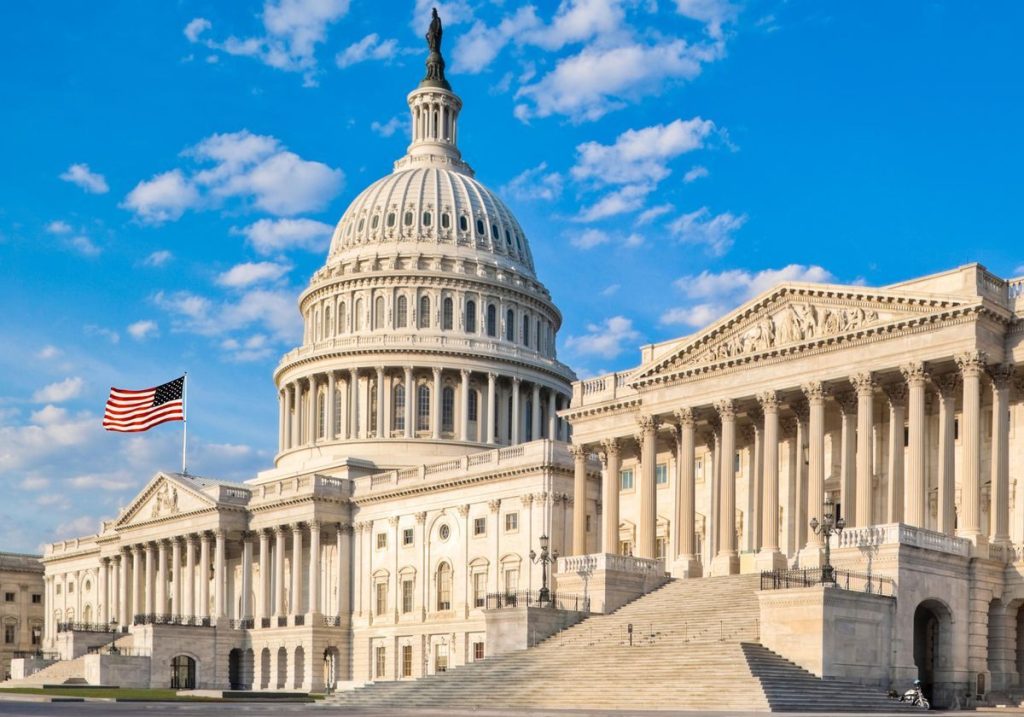
US lawmakers are moving closer to defining how stablecoins can be used in everyday financial activity, and a newly revised Senate proposal suggests that reward-based incentives may soon have a clearer legal footing.
The latest draft of the Digital Asset Market Clarity Act introduces language designed to prevent stablecoins from being treated like securities or bank deposits simply because users receive benefits for using them.
The revised proposal was unveiled by Senate Banking Committee Chair Tim Scott, who framed the changes as part of a broader effort to bring consistency to crypto oversight.
At the heart of the discussion is a long-running dispute between the crypto sector and traditional banks. Banking groups argue that stablecoins offering rewards risk mimicking deposit accounts or investment products without being subject to the same rules. Crypto firms, on the other hand, maintain that these incentives are closer to standard fintech features – similar to cashback programs, loyalty perks, or payment discounts – rather than interest-bearing savings tools.
How lawmakers are redefining stablecoin incentives
The new draft attempts to settle that argument by drawing a sharp distinction between rewards for activity and payments for passive holding. Incentives connected to routine financial use – such as making payments, transferring funds, sending remittances, or settling transactions – would be explicitly permitted. The same applies to benefits linked to using digital wallets, platforms, or blockchain networks, as well as promotional campaigns, subscriptions, and rebate-style programs.
The scope goes further into blockchain-specific territory. Rewards earned through providing liquidity or collateral, participating in governance, validating transactions, staking, or contributing to a network’s broader ecosystem would also be allowed. At the same time, the bill makes clear that providers cannot offer interest or yield solely for holding a payment stablecoin, regardless of whether compensation comes in dollars, tokens, or other assets.
Momentum on the wider crypto market structure framework remains uneven. The Senate Agriculture Committee has delayed consideration of the bill until late January, with Chair John Boozman citing the need for additional negotiations to secure bipartisan backing.
Outside Congress, pressure from community banks continues to mount. A coalition of smaller US lenders recently urged lawmakers to tighten separate stablecoin legislation, warning that reward programs could siphon deposits away from local banks and reduce their capacity to lend to farmers, students, homeowners, and small businesses.
Crypto advocacy organizations have rejected those claims. Groups such as the Crypto Council for Innovation and the Blockchain Association argue that payment stablecoins are not used to fund traditional lending and that restricting incentive programs would curb competition and limit consumer choice. As lawmakers refine the CLARITY Act, the emerging framework suggests Washington may be willing to tolerate stablecoin rewards – so long as they stop short of functioning like interest-bearing accounts.
Looking for more ideas? Read our full guide to the best meme coins to invest in this year.


 Commentaries









Fill in necessary fields and publish