


Fed Minutes Reveal Growing Focus on Stablecoins Under New U.S. Law
We may earn commissions from affiliate links or include sponsored content, clearly labeled as such. These partnerships do not influence our editorial independence or the accuracy of our reporting. By continuing to use the site you agree to our terms and conditions and privacy policy.

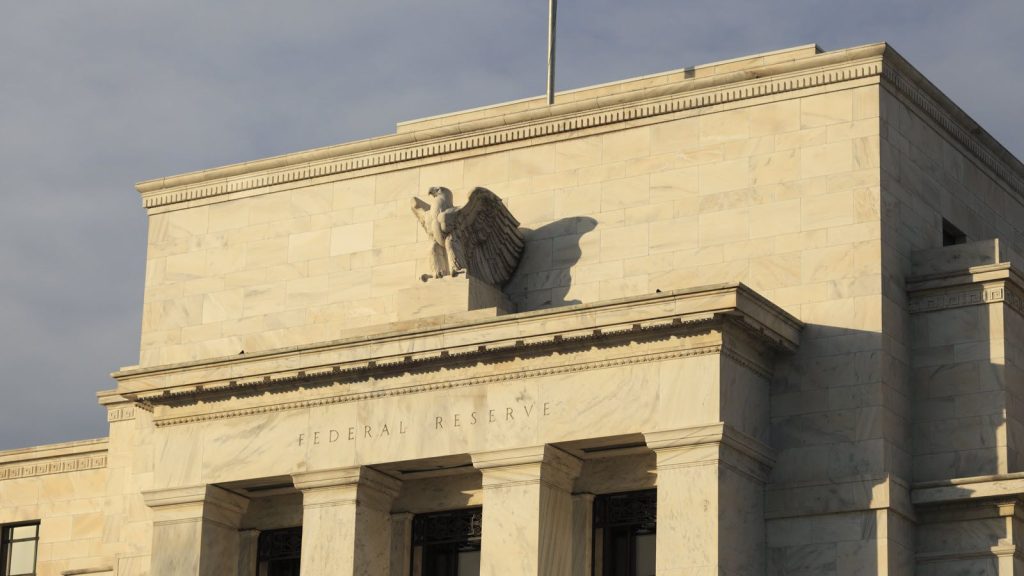
The U.S. Federal Reserve has placed stablecoins at the center of its latest policy discussions, highlighting the tokens’ potential impact on financial stability and their role under the newly enacted GENIUS Act.
Stablecoins dominate July FOMC meeting
According to minutes from the July 29–30 Federal Open Market Committee (FOMC) meeting, released on Aug. 20, officials raised stablecoins repeatedly in their analysis of risks and opportunities within digital finance. The timing was significant, coming less than two weeks after President Donald Trump signed the GENIUS Act into law on July 18.
The law introduces the first federal framework for stablecoin oversight, designed to strengthen transparency and encourage broader adoption. Fed members noted that regulatory clarity could accelerate use cases while also mitigating risks tied to opaque investment structures.
Comparisons to money funds and private liquidity vehicles
FOMC participants compared stablecoins to private liquidity funds and offshore money market funds, categories that have seen rapid growth yet remain less regulated than traditional instruments. While stablecoins were seen as innovative, officials underscored the need for closer supervision to prevent vulnerabilities from spreading into wider markets.
The debate echoes Fed Chair Jerome Powell’s stance earlier this year, when he argued for a structured regulatory framework. Powell described stablecoins as a potentially popular payment tool but maintained that Bitcoin should be viewed as “digital gold” rather than a substitute for the dollar.

Waller: DeFi is not a threat
Speaking separately at the Wyoming Blockchain Symposium 2025, Fed Governor Christopher Waller addressed concerns about decentralized finance. He dismissed the idea that DeFi inherently poses dangers, calling blockchain transactions a “natural technological evolution.”
Waller compared using stablecoins through smart contracts to everyday debit card purchases, stressing that tokenized payments follow the same fundamental process.
“There is nothing to be afraid of when thinking about using smart contracts, tokenization, or distributed ledgers in everyday transactions,” Waller said.
Market-driven innovation and global accessibility
Waller positioned DeFi as a tool for efficiency, record-keeping, and financial inclusion, arguing that innovation should come primarily from the private sector. He credited stablecoin growth with widening global access to dollar-backed assets, particularly in high-inflation economies where traditional banking services remain scarce.
Together, the FOMC minutes and Waller’s comments suggest a shift in tone: rather than treating stablecoins and DeFi as fringe experiments, U.S. policymakers increasingly view them as integral components of modern financial infrastructure.


 Commentaries








Fill in necessary fields and publish