


Europe Hits the Brakes on AI Regulation After Big Tech Pushback
We may earn commissions from affiliate links or include sponsored content, clearly labeled as such. These partnerships do not influence our editorial independence or the accuracy of our reporting. By continuing to use the site you agree to our terms and conditions and privacy policy.

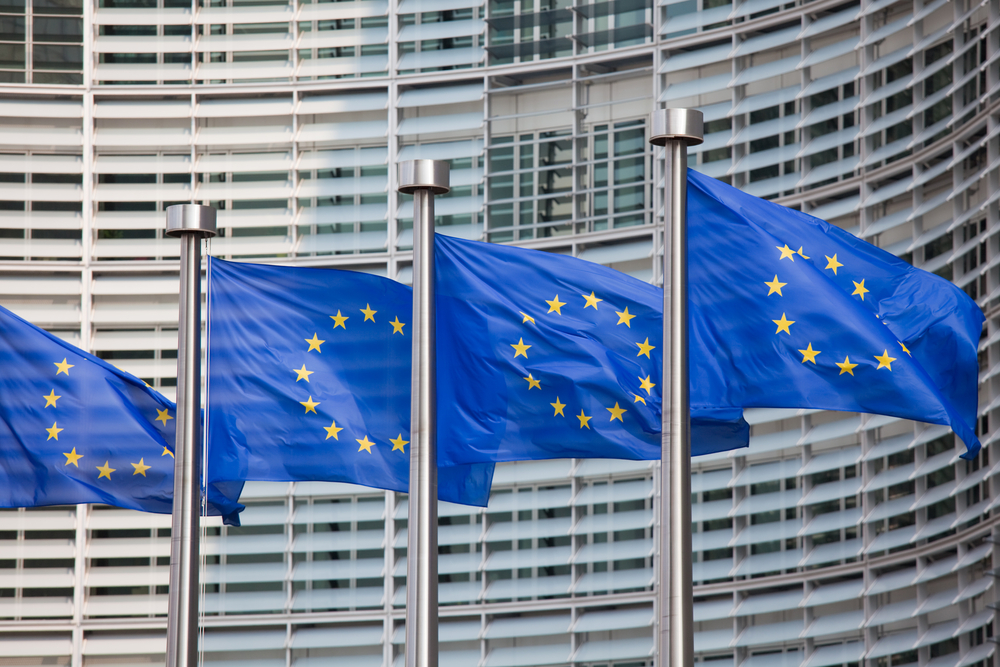
Brussels is reportedly preparing to partially freeze its flagship artificial intelligence law, bowing to pressure from Washington and Big Tech giants who warn that Europe’s strict approach could stifle innovation.
According to the Financial Times, the European Commission is weighing a “simplification package” that would delay enforcement of key AI Act rules – including fines for transparency violations – until August 2027. The move would effectively grant generative AI firms a one-year grace period to align with compliance requirements.
Commission spokesperson Thomas Regnier confirmed that discussions are underway, saying the proposal is part of a broader digital regulatory review set to be presented on Nov. 19. He emphasized, however, that “no formal decision has been taken” and that the EU “remains fully behind the AI Act and its objectives.”
The AI Act, passed in 2023 and active since August 2024, was the world’s first attempt to classify AI by risk level – from minimal to “high-risk” systems that could endanger health, safety, or fundamental rights. The toughest provisions were due in August 2026, but that timeline now appears uncertain.

Industry insiders say the pause reflects growing concern that overregulation could push innovation abroad, especially as the US and China race ahead in AI development.
“Europe’s competitiveness depends on setting standards without creating barriers,” said Petr Kozyakov, CEO of Mercuryo, adding that policymakers are only beginning to grasp AI’s disruptive potential.
The EU’s rethink underscores a broader recalibration in its tech policy: while the bloc continues to champion digital sovereignty, it’s now also acknowledging the risk of slowing down its own innovators – a dilemma strikingly similar to its stance on crypto regulation.


 Commentaries








Fill in necessary fields and publish