






Crypto Cycles are Evolving: Analyst Explains Why Old Patterns no Longer Work
We may earn commissions from affiliate links or include sponsored content, clearly labeled as such. These partnerships do not influence our editorial independence or the accuracy of our reporting. By continuing to use the site you agree to our terms and conditions and privacy policy.


According to crypto analyst Atlas, the traditional four-year cycle that once defined Bitcoin and altcoin market behavior is now obsolete.
According to crypto analyst Atlas, the cryptocurrency market has undergone a fundamental transformation. The familiar four-year cycle structure—once considered a reliable framework for predicting bull runs and altseasons—is no longer valid. In a detailed thread, Atlas outlines the key shifts that now define this new era, shaped by macroeconomic forces, institutional adoption, and changing capital flows.
Bitcoin has become a macroeconomic asset
Atlas argues that Bitcoin is no longer a speculative tech investment, but rather a $2 trillion macro asset class embraced by institutions and sovereign actors. Major players like BlackRock now treat BTC as digital gold, with demand increasingly driven by ETFs, custody solutions, and derivatives markets. Sovereign interest is also rising, with the U.S. building strategic reserves, Middle Eastern nations quietly accumulating, and Germany’s BTC sales reinforcing its role as a national asset.
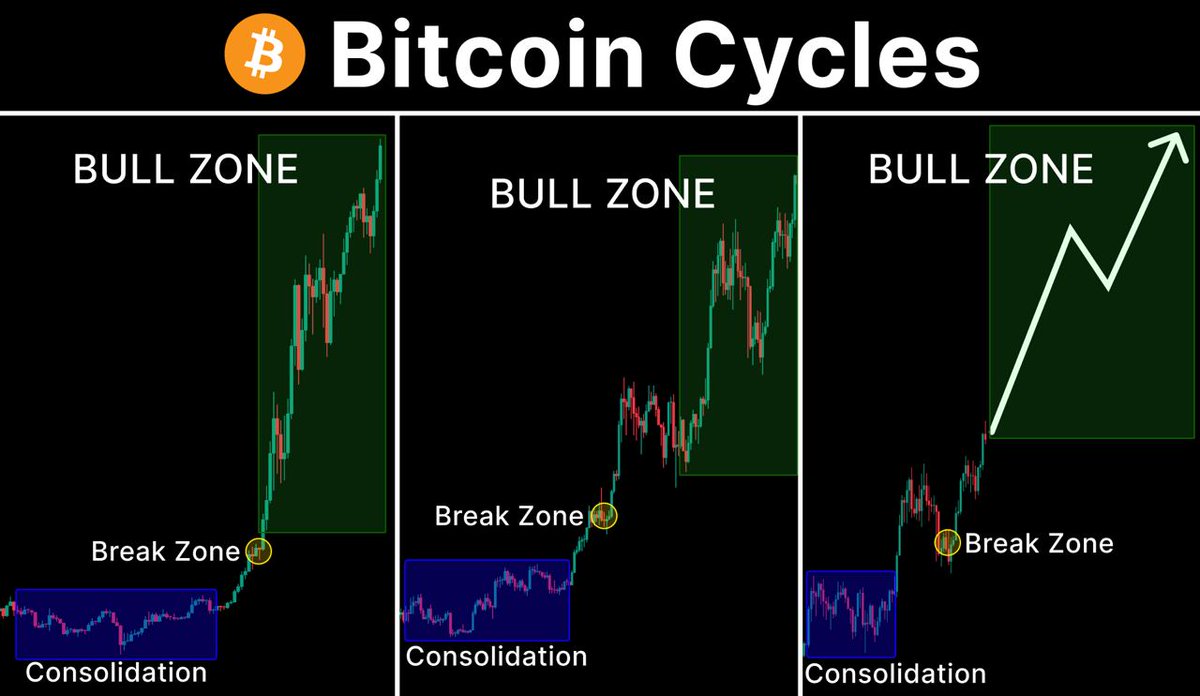
This shift, Atlas says, places Bitcoin firmly in the category of assets influenced by interest rates, inflation, and global liquidity cycles—factors previously foreign to crypto investors.
The old altseason rotation is broken
In past cycles, capital would typically rotate from Bitcoin to Ethereum, then into large-cap altcoins and eventually into meme coins. Atlas claims this pattern no longer applies. Instead of flowing predictably through the ecosystem, liquidity now either exits the market entirely or chases emerging narratives with greater speed and volatility. Legacy altcoins—once core to altseason expectations—have become “liquidity traps,” offering little reason for capital to rotate into outdated projects with no traction.
Narratives now drive performance
Retail-driven meme coins have emerged as the most consistent outperformers, despite offering no traditional fundamentals. Atlas notes that performance is increasingly dictated by attention and narrative strength rather than utility or technology. The market now rewards projects that align with viral themes like AI, tokenized assets (RWA), and other hype cycles. Assets without a compelling narrative—even in bull markets—are likely to be ignored.
Read More:

How Can You Tell When it’s Altcoin Season?
Traders must adapt to survive
According to Atlas, success in this new structure requires a shift in mindset. Traders must treat BTC as a macroeconomic instrument, quickly rotate between narratives as they emerge, and avoid holding onto outdated altcoin positions. While market cycles still exist, they are no longer tied to predictable halving timelines or four-year resets. Instead, volatility is higher, predictability is lower, and adaptability is the key differentiator between winners and those left behind.


 Commentaries










Fill in necessary fields and publish