


Corporate Crypto Adoption in Brazil Grows as Firms Hold 15% on Mercado Bitcoin
We may earn commissions from affiliate links or include sponsored content, clearly labeled as such. These partnerships do not influence our editorial independence or the accuracy of our reporting. By continuing to use the site you agree to our terms and conditions and privacy policy.

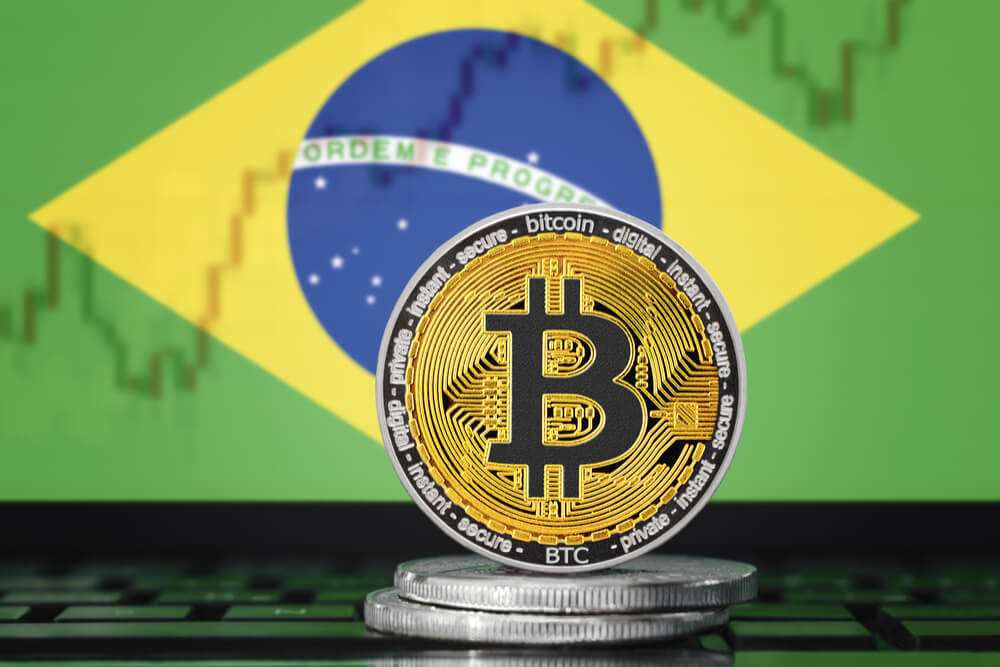
Corporate participation is quietly reshaping Brazil’s crypto landscape, with small and medium-sized enterprises now accounting for as much as 15% of all assets held on Mercado Bitcoin, the country’s largest digital asset exchange.
According to Daniel Cunha, head of corporate development at the firm, these companies are not treating Bitcoin and stablecoins as speculative plays.
Instead, they are using them as conservative treasury tools, holding steady positions rather than chasing quick trades. “They barely touch more than 10% of their reserves at a time,” Cunha explained during the exchange’s DAC 2025 conference, underscoring that the strategy is about balance sheet protection, not day-to-day speculation.
The motivation is clear. With concerns mounting over inflation, currency devaluation, and geopolitical instability, businesses are turning to crypto as a shield for their reserves. Most of the focus has been on Bitcoin and dollar-backed stablecoins such as USDT and USDC, reflecting a defensive, cash-management approach rather than experimental allocations to altcoins.
Brazil has long been a fertile ground for crypto adoption, consistently ranking among the top countries in global usage.
Yet the corporate side of the market remains underdeveloped. Only a handful of publicly traded firms in the country have officially disclosed Bitcoin holdings, with retail-focused Méliuz being one example. That is expected to change as OranjeBTC prepares to debut on the B3 exchange with $400 million worth of Bitcoin in its treasury, a milestone that would make it the nation’s largest listed holder.

Cunha added that this gradual corporate uptake has a stabilizing effect on markets. By holding positions for the long term rather than speculating, these businesses are dampening volatility and making Bitcoin more attractive as a serious treasury option. Still, he noted that Brazil’s financial elite, particularly in São Paulo’s Faria Lima district, often compared to Wall Street, have yet to fully step in. “The big players are still waiting,” Cunha said. “But the groundwork is being laid.”


 Commentaries








Fill in necessary fields and publish