


Changpeng Zhao Predicts a New Global Crypto Leader Within Five Years
We may earn commissions from affiliate links or include sponsored content, clearly labeled as such. These partnerships do not influence our editorial independence or the accuracy of our reporting. By continuing to use the site you agree to our terms and conditions and privacy policy.

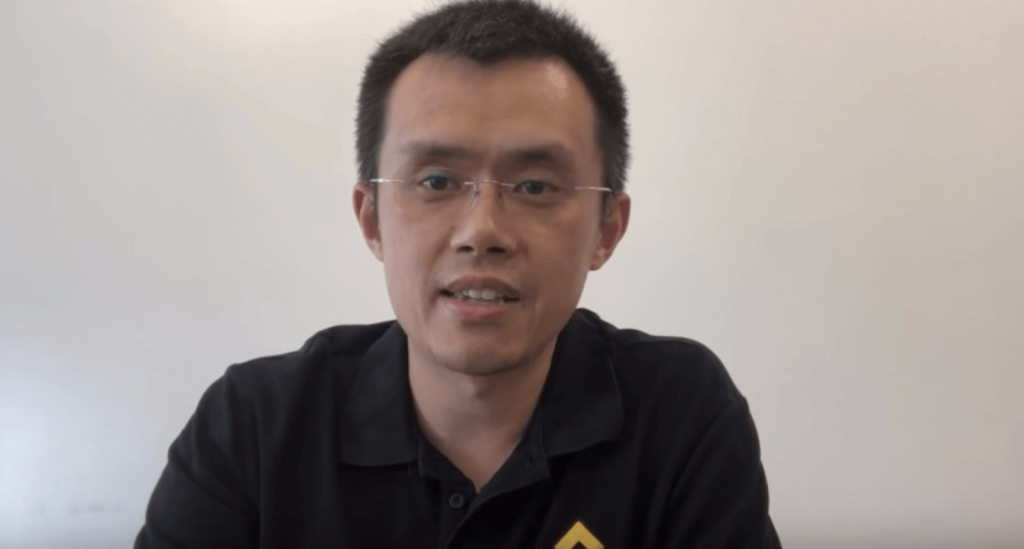
The former top executive from one of the world’s largest crypto exchanges says a fast-moving market could emerge as a global digital-asset leader within the next five years, citing rapid regulatory progress, strong political alignment, and a growing base of tech-savvy users.
Ex-Binance chief executive Changpeng Zhao said Pakistan could emerge as one of the world’s leading crypto hubs by 2030 if it maintains its current pace of adoption and regulatory development.
Speaking in an interview with Pakistan Crypto Council CEO Bilal bin Saqib, Zhao highlighted the country’s ability to move quickly as a critical advantage in the global digital asset race.
Zhao pointed to Pakistan’s young, tech-savvy population and what he described as unusually clear direction from policymakers.
A conversation between Changpeng Zhao (@cz_binance), Founder of Binance and Chairman PVARA, @BilalBinSaqib on the future of crypto in Pakistan.
From Pakistan’s potential to tokenization and what comes next for the virtual asset economy.
Timestamps:
– Why Pakistan for Crypto?:… pic.twitter.com/ILGHOMBdWY
— Pakistan Virtual Assets Regulatory Authority (@PakistanVARA) December 30, 2025
He said the leadership’s willingness to acknowledge domestic demand for digital assets and act decisively has put the country on a fast track. At the current speed, Zhao argued, Pakistan could become one of the world’s dominant crypto players within five years. Zhao currently serves as a strategic adviser to the Pakistan Crypto Council.
Regulatory momentum and infrastructure push
Pakistan has taken several high-profile steps in 2025 to formalize its crypto ecosystem. Authorities established the Pakistan Virtual Assets Regulatory Authority, allowed major exchanges such as Binance and HTX to operate locally, and announced plans to build a national Bitcoin reserve. Officials have also begun exploring real-world asset tokenization as a way to attract foreign capital and improve market liquidity.
Zhao expressed particular enthusiasm for Pakistan’s interest in tokenizing its stock market. He said allowing global investors to buy tokenized Pakistani equities could effectively open the country’s capital markets to a worldwide audience, creating direct investment flows. According to Zhao, countries that implement tokenization frameworks early are likely to benefit disproportionately compared to slower adopters.
Blockchain as an entry point for entrepreneurs
Beyond national policy, Zhao emphasized the opportunity blockchain technology offers to individuals and small businesses. He argued that traditional banking and artificial intelligence startups require enormous capital, data access, and infrastructure, making them difficult entry points for young entrepreneurs. Blockchain, by contrast, operates in a permissionless digital environment where barriers to entry are far lower.
Zhao described blockchain as one of the most accessible sectors for innovation, noting that anyone with the skills can build without needing approval from centralized institutions. However, he cautioned that long-term success will require stronger educational foundations, including university programs, incubators, and broader public understanding of crypto technologies.


 Commentaries








Fill in necessary fields and publish