






Cardano Foundation Explains How Staking Rewards Are Calculated
We may earn commissions from affiliate links or include sponsored content, clearly labeled as such. These partnerships do not influence our editorial independence or the accuracy of our reporting. By continuing to use the site you agree to our terms and conditions and privacy policy.


Cardano’s staking system is one of the most advanced in the crypto space, but the mechanics behind it are not always easy to follow.
To simplify things, the Cardano Foundation has launched a new Staking Rewards & Calculation course on Cardano Academy. The 30-minute self-paced course aims to help ADA holders understand how rewards flow through the network and why certain pools may deliver better results than others.
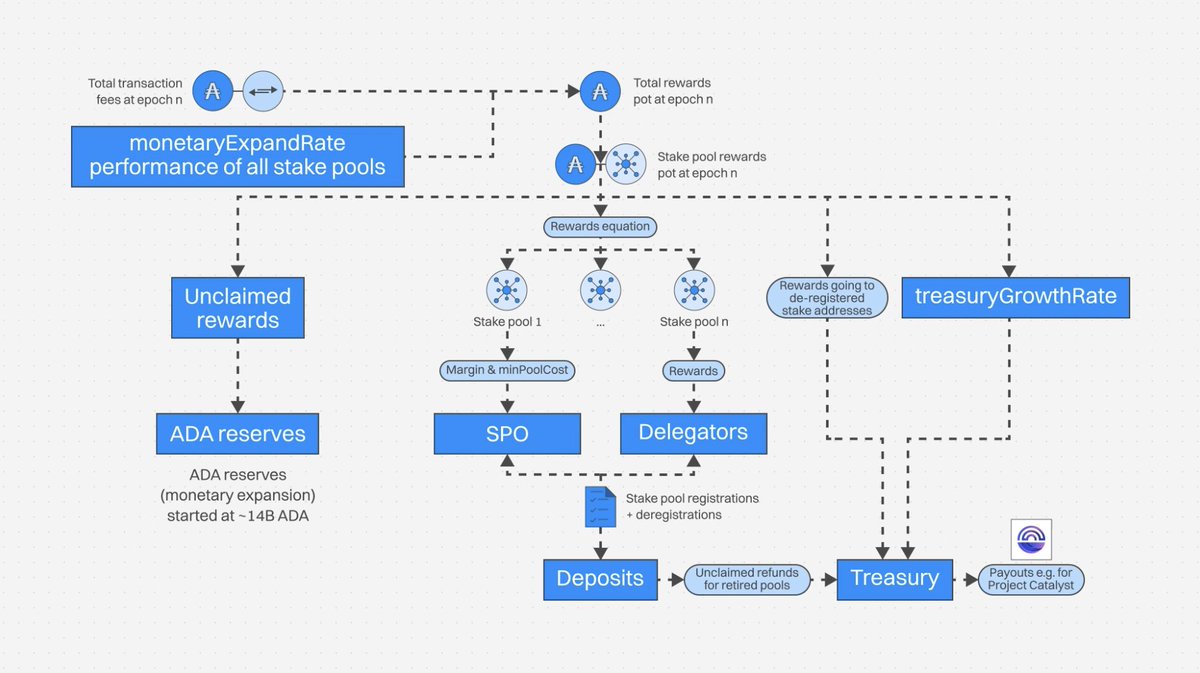
Breaking down the process
At the core of Cardano’s reward system is the total rewards pot, which is filled each epoch from two main sources: transaction fees and monetary expansion from ADA reserves. This pot is then distributed across stake pools based on their performance and the rewards equation.
A portion of these rewards is directed toward the treasury, supporting long-term ecosystem growth and initiatives like Project Catalyst.
Unclaimed rewards and expired refunds also feed back into ADA reserves or the treasury to ensure nothing is wasted.
Stake pools and delegators
Once the reward pot is calculated, it is divided among stake pool operators (SPOs) and delegators. SPOs receive compensation for maintaining the network, while delegators earn proportional rewards based on the amount of ADA they have staked with a given pool. Factors like pool margin, minimum pool cost, and performance all influence how much each participant ultimately receives.

This interconnected system ensures not only fair compensation for network participants but also the continuous funding of Cardano’s broader ecosystem. By making the process transparent through education, the Cardano Foundation hopes more users will understand how their ADA works behind the scenes to secure the blockchain and support its growth.


 Commentaries










Fill in necessary fields and publish