


Solo Bitcoin Miner Hits $200,000 Jackpot with Tiny Bitaxe
We may earn commissions from affiliate links or include sponsored content, clearly labeled as such. These partnerships do not influence our editorial independence or the accuracy of our reporting. By continuing to use the site you agree to our terms and conditions and privacy policy.

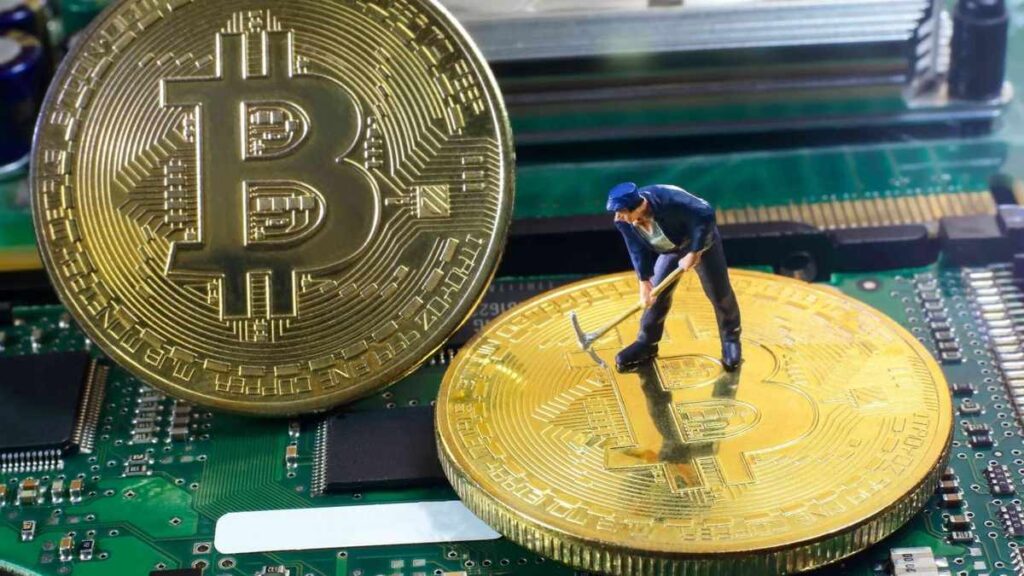
A solo Bitcoin miner using a tiny Bitaxe device beat the odds to secure a 3.1382 BTC block reward worth $200,000, proving luck still exists in mining.
According to information from mempool.space, a solo miner successfully secured a reward of 3.1382 BTC, worth approximately $200,000. This event serves as fresh evidence that, while extremely rare, individual miners can still compete with massive industrial mining facilities.
Small Device, Massive Reward
The successful miner utilized a single Bitaxe device—a compact ASIC machine roughly the size of a credit card, developed as an open-source project. Despite its low cost, the device uses the same generation of Bitmain BM1370 chips found in industrial Antminer S21 models.
The machine operated with a hash rate of approximately 1 terahash per second (TH/s) and a power consumption between 15 and 21 watts. This is a fraction of the energy used by industrial Bitcoin mining systems.
Connected to the Public Pool platform, which enables individuals to participate in solo mining, the user managed to validate block #957382 just eight hours after starting the device. This feat earned them the full block reward of 3.1382 BTC.
While such cases capture significant attention within the crypto community, the statistical probability of such a device finding a block remains incredibly low. Given the current network difficulty, a miner with only 1 TH/s has a minimal chance of finding a valid block, making such successes comparable to winning the lottery.
Solo Miners Return as Industry Giants Face Pressure
Despite intense competition from large-scale mining firms, individual miners are gradually increasing their footprint. Over the last 12 months, solo miners have validated 24 blocks, marking a 41% increase compared to the previous year.
In total, these hobbyists have earned over 75 BTC in rewards, valued at roughly $4.7 million. Since the start of 2026, this latest success marks the twelfth block discovered by a solo miner.
One factor improving these odds was the recent adjustment in mining difficulty. On July 12, network difficulty decreased by about 5% to 127.17 trillion, slightly easing conditions for smaller participants. Nevertheless, the Bitcoin network remains one of the most competitive computing systems globally, with industrial operators still controlling the vast majority of the global hashrate.
Paradoxically, as individual hobbyists celebrate rare wins, large public Bitcoin mining companies are facing mounting pressure on their profitability. High mining difficulty, reduced revenues following the latest halving, and rising electricity costs have forced many operators to diversify.
An increasing number of companies are repurposing parts of their infrastructure for AI-focused data centers, where they anticipate higher returns than those currently offered by traditional cryptocurrency mining.
The Bitaxe case demonstrates that even in an industry dominated by massive facilities with enormous computing capacity, the possibility for an individual hobbyist to discover a block still exists. However, these events remain exceptionally rare, serving as a reminder that in the world of Bitcoin, luck can sometimes be just as vital as raw processing power.


 Commentaries









Fill in necessary fields and publish