






Saudi Arabia Crushed BRICS’ Plans – With a Massive $1 Trillion Move
We may earn commissions from affiliate links or include sponsored content, clearly labeled as such. These partnerships do not influence our editorial independence or the accuracy of our reporting. By continuing to use the site you agree to our terms and conditions and privacy policy.

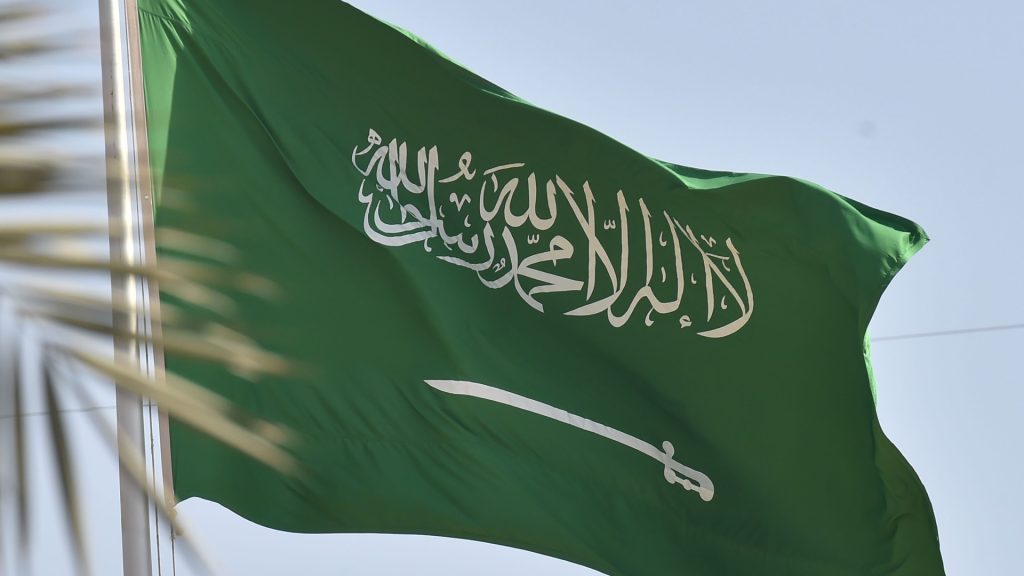
Saudi Arabia has made its position in the global power struggle unmistakably clear - and it isn’t leaning toward BRICS.
Instead, Crown Prince Mohammed bin Salman has doubled down on his partnership with the United States, revealing plans to inject a massive $1 trillion into the U.S. economy. The announcement came during his meeting with President Donald Trump at the White House on Tuesday, signaling one of the largest foreign investment commitments the U.S. has ever received.
The figure represents a significant jump from the Prince’s previous pledge of $600 billion, unveiled during Trump’s visit to Saudi Arabia in May. With the additional $400 billion, the Kingdom has effectively demonstrated where its geopolitical priorities lie – and BRICS is not at the top of that list.
A Silent BRICS Rejection
The BRICS bloc, which extended membership invitations in 2023 to five countries including Saudi Arabia, has been waiting for a response from the oil giant – and waiting in vain. Three of the invited nations joined the alliance in 2024, while Riyadh continued to stall, neither accepting nor rejecting the offer.
Behind the ambiguity, however, the Kingdom’s actions have spoken louder than any formal statement. By aligning itself more closely with Washington and pursuing Western-backed development, Saudi Arabia has effectively sidelined the idea of joining BRICS.
Read More:
Deutsche Börse and Societe Generale Bring Regulated Stablecoins Into Europe’s Financial Core
Much of this decision is tied to Vision 2030 – MBS’s multi-trillion-dollar plan to reduce Saudi Arabia’s dependence on oil and expand tourism, technology, and infrastructure. For that transformation, the Kingdom seeks steady cooperation with Western governments and corporations, something BRICS cannot guarantee.
A Major Setback for BRICS
Saudi Arabia’s hesitation is a direct blow to the bloc’s ambitions. BRICS had hoped to bring the world’s largest oil exporter into the alliance to strengthen its influence over global energy markets and amplify the role of local currencies in international trade.
Riyadh’s deep pockets were also viewed as a potential lifeline for the New Development Bank (NDB), which has struggled to scale without consistent funding from high-liquidity nations. With the Kingdom choosing to funnel capital into the U.S. instead, BRICS loses not only financial muscle but also a strategic partner capable of reshaping dollar-dominated trade.
For now, the geopolitical reality is clear: Saudi Arabia is moving closer to Washington, not Shanghai or Moscow. And with a trillion-dollar commitment on the table, the Kingdom’s position is unlikely to shift anytime soon.


 Commentaries





Fill in necessary fields and publish