


Lagarde Calls Bulgaria’s Euro Entry a Win for European Unity
We may earn commissions from affiliate links or include sponsored content, clearly labeled as such. These partnerships do not influence our editorial independence or the accuracy of our reporting. By continuing to use the site you agree to our terms and conditions and privacy policy.

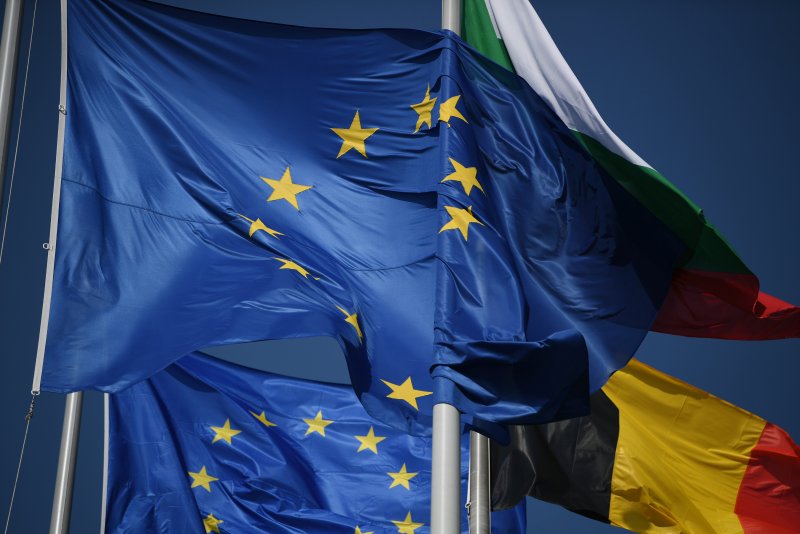
European Central Bank President Christine Lagarde said Bulgaria’s entry into the euro area is a reminder that Europe can still act collectively, even as geopolitical and economic pressures intensify globally.
Her remarks came as the euro officially entered circulation in Bulgaria, making the country the 21st member of the European Union to adopt the single currency.
The move follows a formal decision finalized in July, which fixed the conversion rate at 1.95583 Bulgarian lev per euro, according to a press release from the European Commission. The change marks the culmination of years of technical preparation and political coordination between Sofia and EU institutions.
Euro Adoption Framed as a Political and Economic Signal
In a post on X following the announcement, Lagarde described the euro as more than a currency, calling it a symbol of what Europe can achieve when member states act together as a bloc. Speaking during official events tied to the launch, she confirmed Bulgaria’s entry into the euro area and welcomed Dimitar Radev to the ECB’s Governing Council in Frankfurt.
🇧🇬🇪🇺 As we step into 2026, we proudly welcome Bulgaria to the euro family!
Our sincere thanks to the Bulgarian National Bank for its dedicated work and commitment in preparing for the adoption of the euro.
Wishing everyone a happy and successful New Year! pic.twitter.com/N2Xc2aJ5F5
— Christine Lagarde (@Lagarde) December 31, 2025
Radev echoed that message in a video address, arguing that the euro represents both economic integration and political belonging. According to him, Bulgaria’s adoption of the single currency confirms the country’s place within a framework built on shared rules, discipline, and responsibility. He said the decision reflects recognition by European institutions that Bulgaria has met the required standards.
With the transition complete, the Bulgarian National Bank formally joins the Eurosystem. Radev now holds a voting seat on the ECB Governing Council, after years of attending meetings only as an observer.
Banking Supervision and Policy Integration Deepen
Bulgaria’s euro adoption also brings deeper integration into the EU’s banking architecture. The country becomes a full member of the Single Supervisory Mechanism, expanding on the “close cooperation” framework it joined in October 2020.
Under the new status, the ECB directly supervises four major Bulgarian banks and oversees 17 smaller institutions. It also assumes responsibility for banking licenses and the review of qualifying ownership stakes. Bulgaria now has representation on the ECB Supervisory Board as well.
As part of the process, the Bulgarian National Bank paid the remaining portion of its ECB capital subscription and transferred its share of foreign reserve assets. From January 1, 2026, Bulgarian counterparties will be eligible to participate in ECB open market operations. The central bank said it will publish updated lists of Bulgarian banks subject to reserve requirements, as well as euro-area branches operating in other EU countries.
Policy Outlook Remains Cautious
Bulgaria’s entry comes at a time when euro-area monetary policy appears to be in a holding phase. The ECB has not cut interest rates since June, and markets largely expect the easing cycle to be complete. Policymakers currently see rates holding around 2% unless economic conditions shift materially, with some officials even suggesting that the next move, though distant, could be a hike.
European Commission President Ursula von der Leyen welcomed the milestone, saying the euro will simplify payments and travel for Bulgarians while opening new opportunities for businesses operating across the single market.
Taken together, Bulgaria’s euro adoption is being framed not just as a technical currency change, but as a political statement about European unity and institutional cohesion at a time when those qualities are being tested.


 Commentaries









Fill in necessary fields and publish