






Russia Sets 2026 Deadline for Strict Crypto Regulations
We may earn commissions from affiliate links or include sponsored content, clearly labeled as such. These partnerships do not influence our editorial independence or the accuracy of our reporting. By continuing to use the site you agree to our terms and conditions and privacy policy.

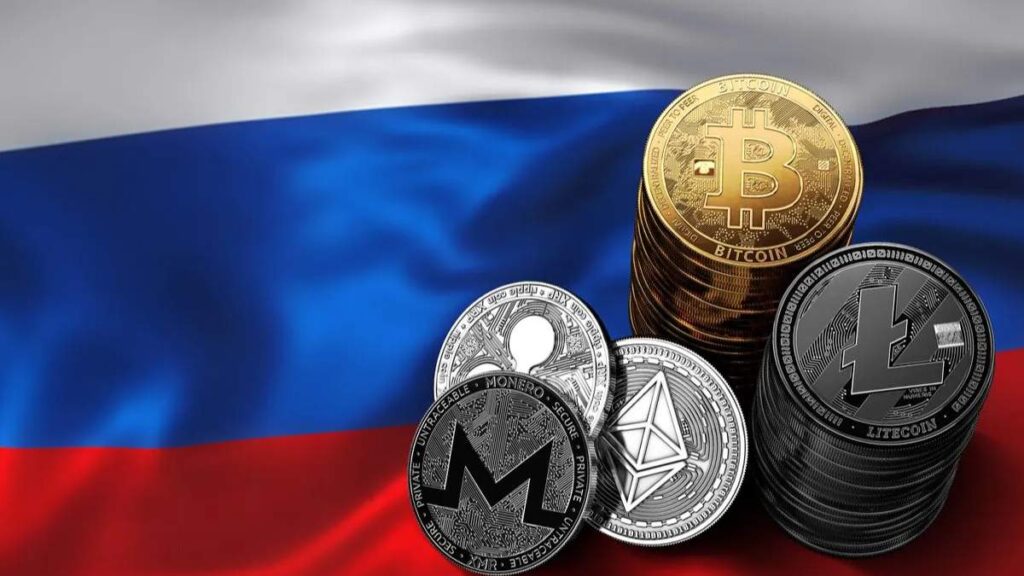
Russia officially recognizes crypto as property while imposing strict limits on retail investors and domestic payments starting July 2026.
According to information from TASS, new legislation officially recognizes crypto assets as property while simultaneously imposing strict control over their use within the country.
“Permitted but Limited”: Russia’s New Model
The new framework establishes a hybrid model where cryptocurrencies are legal but heavily regulated. Domestic payments using digital assets remain prohibited, as the ruble maintains its status as the sole legal tender.
At the same time, the law opens a critical door: the use of crypto for cross-border settlements. This allows Russian companies to use assets like Bitcoin and Ethereum for international trade—a move viewed as a tool to bypass financial restrictions and sanctions.
Strict Rules for Investors
The bill introduces a two-tier system for accessing the crypto market. Ordinary investors will be limited to annual purchases of approximately 300,000 rubles and will only be permitted to trade approved “liquid” assets.
Professional investors, on the other hand, will have greater freedom but must meet strict criteria, including specific income levels or financial education requirements.
The Central Bank will play a pivotal role by creating a list of authorized assets, further restricting access to higher-risk tokens.
Pressure on the Gray Sector
Parallel to legalization, authorities are taking aggressive measures against unregulated trading. Operators of unlicensed platforms could face severe penalties, including years of forced labor.
Even individual users are not exempt—trading through unapproved channels may lead to significant fines and criminal liability. Furthermore, all crypto assets and transactions conducted abroad must be declared to tax authorities.
These measures aim to curb peer-to-peer markets and redirect activity toward state-controlled intermediaries, such as banks and licensed brokers.
Transition to a Controlled Digital Market
The new regulation is expected to be implemented in stages, with the core framework set to become active by July 1, 2026. Market participants predict this will be accompanied by restricted access to international exchanges that do not comply with local requirements.
With over 20 million users, Russia is attempting to transform what has been a gray and fragmented market into a regulated ecosystem under state supervision.
Strategic Balance Between Control and Access
The new law highlights Moscow’s dual strategy: controlling the internal use of cryptocurrencies while utilizing them as a tool for foreign trade and financial flexibility.
This approach positions Russia in a unique category among major economies—not as a fully open crypto market, but as a strictly controlled model where digital assets primarily serve state economic interests.


 Commentaries










Fill in necessary fields and publish