


Political Battles Overshadow America’s Growing Fiscal Crisis
We may earn commissions from affiliate links or include sponsored content, clearly labeled as such. These partnerships do not influence our editorial independence or the accuracy of our reporting. By continuing to use the site you agree to our terms and conditions and privacy policy.

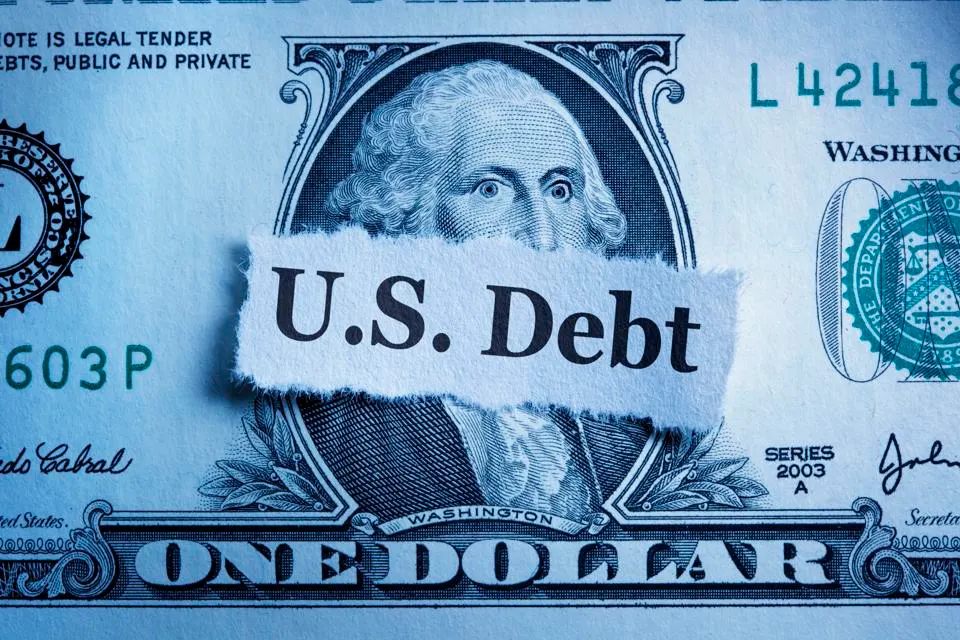
The latest deadlock in Washington over a partial government shutdown highlights a recurring pattern: political posturing often overshadows the country’s more pressing financial challenges.
Lawmakers are clashing over short-term funding measures, but long-term issues such as ballooning national debt and the sustainability of Social Security and Medicare remain largely ignored.
This shutdown – the fifteenth since 1981- was triggered by Democrats pushing for increased spending projected to cost trillions over the next decade, a move that would add to the nation’s already staggering $38 trillion debt. In response, Republicans, led by former President Donald Trump’s allies in Congress, are insisting on limiting new expenditures, framing the fight as a battle over fiscal responsibility. Meanwhile, proposals to actually address the growing deficit are barely part of the conversation.
Historically, shutdowns were mainly about balancing budgets and managing deficits. In recent years, however, they have increasingly centered on social and political disputes rather than fiscal discipline. Today’s standoff revolves around roughly $1.7 trillion in agency funding, only a fraction of total federal spending, yet it has dominated headlines while deeper financial risks loom.

Economists warn that the United States is on an unsustainable path. Debt is rising faster than economic growth, interest payments consume more than $1 trillion annually – exceeding the defense budget – and vital programs for the elderly face potential shortfalls. Analysts caution that without meaningful action, the country could be heading toward a serious fiscal crisis, even if the consequences are not immediately felt.
A few lawmakers on both sides recognize the urgency. Some Republicans have advocated for stricter spending controls, yet political incentives often prevent tough decisions. For many, the shutdown serves as a strategic distraction, allowing leaders to maintain influence over budget priorities without confronting the difficult choices needed to stabilize the nation’s finances.
The standoff illustrates a stark reality: while short-term battles dominate the political stage, the long-term fiscal health of the country continues to weaken, and the clock is ticking toward an inevitable reckoning.


 Commentaries








Fill in necessary fields and publish