


NYSE Proposes Tokenized Stock Trading for Russell 1000
We may earn commissions from affiliate links or include sponsored content, clearly labeled as such. These partnerships do not influence our editorial independence or the accuracy of our reporting. By continuing to use the site you agree to our terms and conditions and privacy policy.

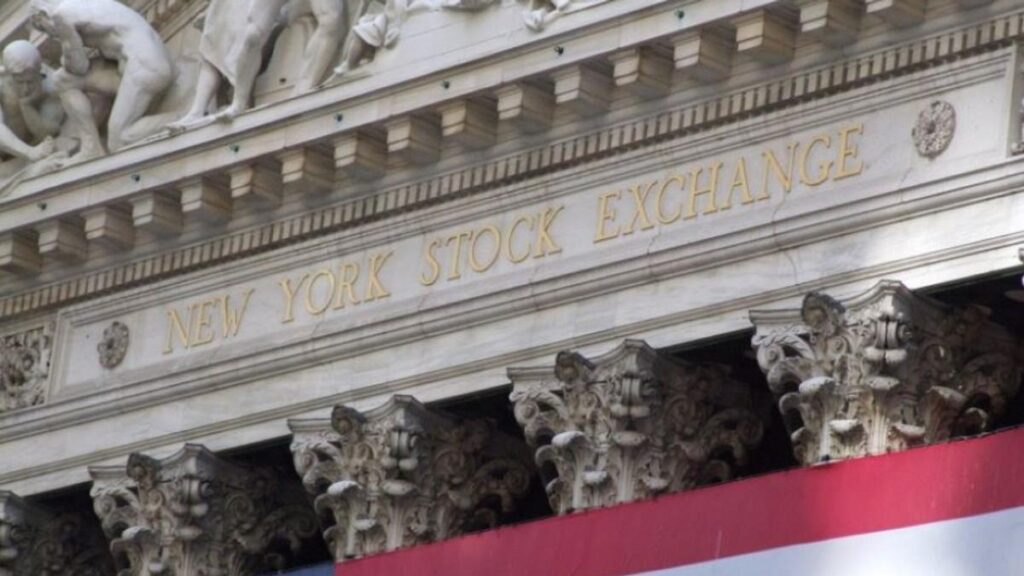
The NYSE plans to integrate tokenized stocks and ETFs into its existing order books, bridging traditional finance with blockchain technology.
The initiative is part of a three-year pilot by the Depository Trust Company and aims to introduce blockchain functionality without disrupting how markets operate today.
Unified Liquidity and Full Compatibility
The proposal allows for the trading of tokenized versions of stocks and ETFs—primarily from the Russell 1000 and leading index funds—which will be traded in the same order book as traditional assets. This means there will be no separate market or parallel liquidity; instead, tokenization will be integrated under the umbrella of the existing system. In this way, the NYSE addresses one of the biggest challenges in previous tokenization attempts: liquidity fragmentation.
A key element in the proposal’s structure is the full integration between tokenized and traditional shares.
They will share the same ticker and CUSIP number, ensuring that investors do not distinguish between the two formats during trading. Order execution will also follow the same priority rules, without granting an advantage to either format.
Infrastructure Evolution, Not Revolution
Despite the implementation of ledger technologies, settlement remains unchanged. Transactions will continue to be settled on a T+1 basis through the infrastructure of the Depository Trust & Clearing Corporation. This underscores the NYSE’s approach: evolution, not radical transformation. Instead of moving to instant or 24/7 settlement, the exchange maintains the stability and predictability that institutional participants demand.
Additional flexibility is built into the order execution mechanism. Participants can specify a preference for a tokenized form, but if it is unavailable or a technical issue arises, the system will automatically revert to traditional settlement. This ensures trading continuity and minimizes operational risk.
The NYSE’s move follows a similar initiative by Nasdaq, which has already received SEC approval. Both exchanges follow the same logic: integrating tokenization into the existing market structure rather than creating a new one.
The significance of this step extends beyond the technology itself. By using the same tickers, clearing mechanisms, and market rules, the NYSE is building a bridge between traditional finance and blockchain infrastructure.
This allows institutional investors to experiment with new possibilities—such as programmable assets, automated compliance, and more efficient collateral management—without losing access to the deep liquidity of primary markets.
Ultimately, the strategy is clear: tokenization will not replace the existing system but will be embedded within it. This could prove to be the key model for the future development of global capital markets.


 Commentaries









Fill in necessary fields and publish