


Missouri Sues CoinFlip Network to Ban Crypto ATMs Over Scams
We may earn commissions from affiliate links or include sponsored content, clearly labeled as such. These partnerships do not influence our editorial independence or the accuracy of our reporting. By continuing to use the site you agree to our terms and conditions and privacy policy.

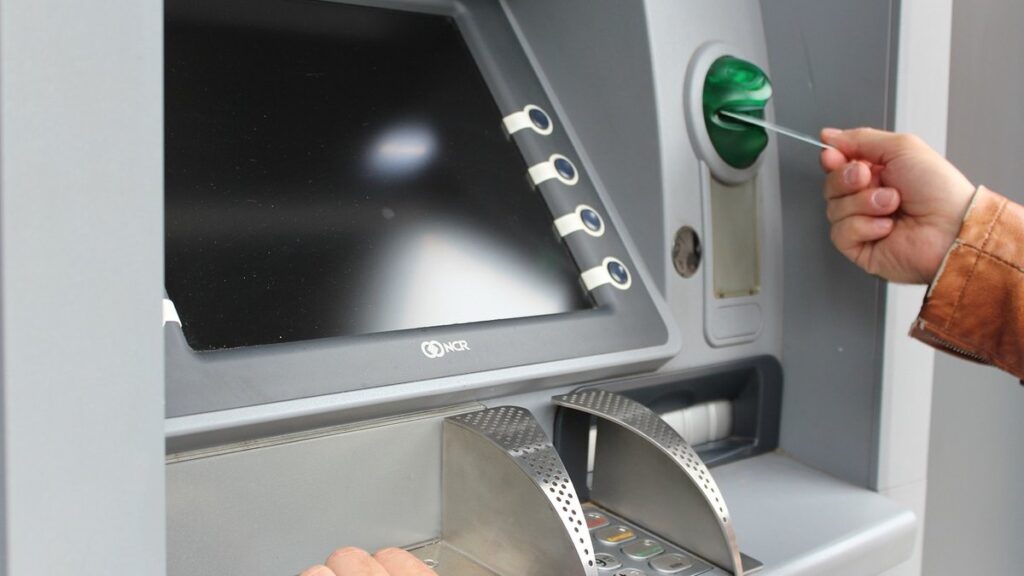
Missouri Attorney General Katherine Hanaway files suit against CoinFlip, seeking a total ban and $1.8M in penalties over crypto ATM fraud and high fees.
The lawsuit filed by State Attorney General Katherine Hanaway ramps up pressure on the U.S. crypto ATM industry amid a sharp rise in financial scams targeting seniors and veterans.
Filed in Jasper County Court under the Missouri Merchandising Practices Act, the case challenges the very business model of CoinFlip. The prosecution alleges the company allowed its machines to serve as an “escape tool” for scammers who convince victims to deposit cash and convert it into cryptocurrencies sent to external wallets.
State authorities argue these transactions are virtually irreversible and difficult to trace, making them a preferred mechanism for financial fraud.
Fees Up to 22% and Accusations of “Willful Blindness”
A primary line of attack against CoinFlip involves its fees, which the prosecution describes as excessively high and insufficiently transparent.
The lawsuit states that the company charged commissions of up to 22% on certain operations—levels significantly higher than those found on traditional crypto exchanges. According to authorities, these fees allowed the operator to generate substantial revenue from users caught in fraudulent schemes.
Prosecutors also accuse CoinFlip of “willful blindness,” claiming the company publicly advertised fraud protection mechanisms but failed to take adequate action to limit suspicious transactions.
The investigation began in December 2025 and incorporated data from the Missouri State Highway Patrol and the St. Louis Fusion Center.
Over 140 Crypto ATMs and Hundreds of Reports
According to data cited in the case, CoinFlip operates more than 140 crypto ATM devices across the state, primarily located in gas stations, liquor stores, tobacco shops, and other convenience outlets.
Authorities note that over the past two years, at least 350 cases of crypto fraud in Missouri have been linked to the use of such ATMs. Total financial damages to consumers are estimated in the millions of dollars.
The prosecution highlights that elderly individuals are among the most frequent victims. Scammers typically pose as government officials, bank representatives, or technical support, urgently persuading users to send funds via crypto ATMs.
Missouri Seeks a Total Ban on CoinFlip
Attorney General Katherine Hanaway is asking the court to impose a complete ban on CoinFlip’s operations within the state.
Furthermore, the lawsuit seeks civil penalties of up to $1.826 million for violations accumulated over the last five years, along with full financial restitution for affected consumers.
If the court grants the request, it would represent one of the most significant regulatory actions against a crypto ATM operator in the U.S. to date.
Rising Pressure on the Crypto ATM Industry
The case comes as state and federal regulators intensify their scrutiny of the crypto ATM industry.
According to U.S. Federal Trade Commission (FTC) data, losses from crypto ATM scams increased nearly tenfold between 2020 and 2023, making the sector a primary target for regulators.
Missouri is not the first state to act against CoinFlip. Similar investigations and charges have been raised in other states, including Iowa, where regulators questioned high markups and consumer protection standards.
The case underscores the growing tension between the rapid expansion of crypto infrastructure in the U.S. and government efforts to curb fraud and abuse in the sector.


 Commentaries










Fill in necessary fields and publish