


Markets Jittery as U.S.-China Trade Spat Revives Uncertainty in Global Supply Chains
We may earn commissions from affiliate links or include sponsored content, clearly labeled as such. These partnerships do not influence our editorial independence or the accuracy of our reporting. By continuing to use the site you agree to our terms and conditions and privacy policy.

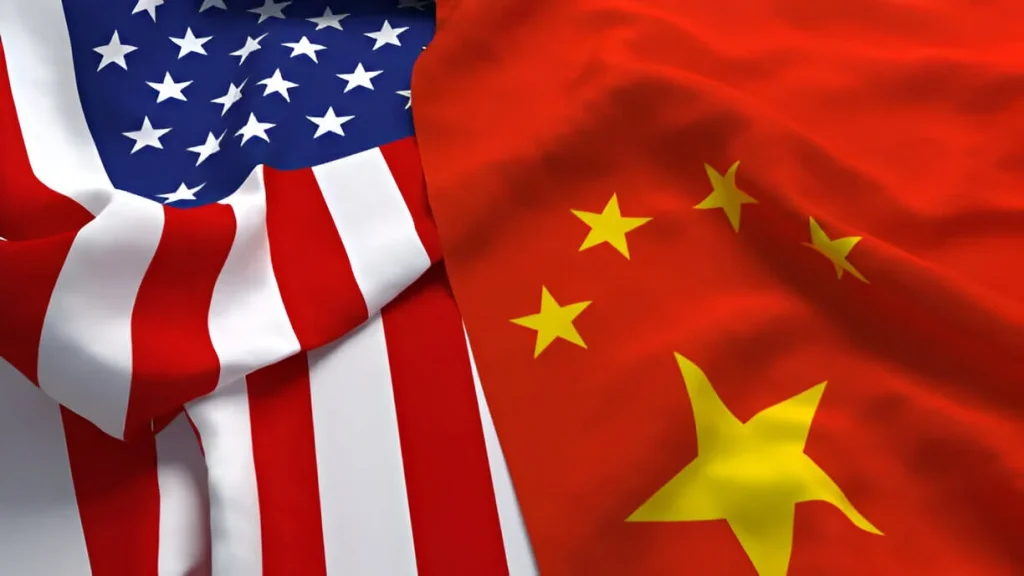
Tensions between the United States and China have flared again after President Donald Trump imposed steep tariffs on Chinese goods, prompting a measured response from Beijing.
While China criticized the move as “hypocritical,” it chose not to retaliate immediately, signaling a potential window for negotiation.
The latest dispute stems from Trump’s decision to slap 100% tariffs on imports from China, following Beijing’s restrictions on certain rare earth elements – materials crucial for technology, electric vehicles, and defense applications. These export controls, which cover 12 key rare earths including holmium and europium, sparked concerns among foreign companies reliant on Chinese supplies.
In a statement, China’s commerce ministry defended the curbs as necessary for security reasons, emphasizing that the measures are not blanket bans. Firms compliant with regulations are expected to receive approvals for civilian-use exports, a reassurance aimed at stabilizing trade flows. The ministry also cited U.S. actions, such as port fees and additions to trade blacklists, as aggravating factors in the bilateral relationship.

Beijing’s careful response leaves room for diplomacy. Analysts suggest that by explaining the rationale behind its export controls while holding off on retaliatory tariffs, China is signaling that it remains open to discussions. The situation has already rattled markets, hitting Wall Street and companies dependent on rare earths, while a potential summit between Trump and Chinese President Xi Jinping now faces uncertainty.
The episode highlights the strategic importance of rare earths, which China dominates globally, supplying over 90% of the world’s processed materials. While tensions persist, the measured approach by Beijing indicates a preference for stability amid an increasingly fraught trade landscape.


 Commentaries








Fill in necessary fields and publish