


JPMorgan closed a number of Donald Trump’s accounts – here is why
We may earn commissions from affiliate links or include sponsored content, clearly labeled as such. These partnerships do not influence our editorial independence or the accuracy of our reporting. By continuing to use the site you agree to our terms and conditions and privacy policy.

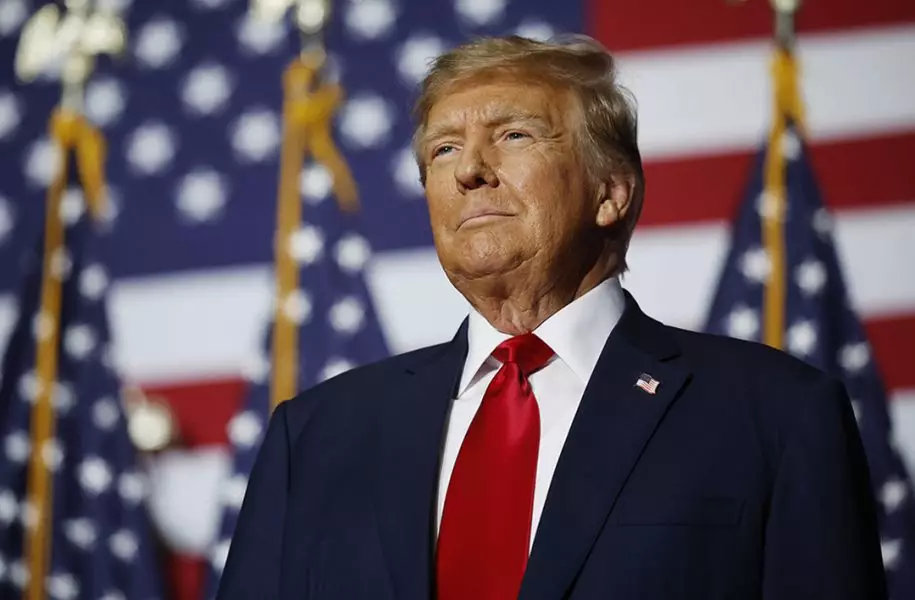
In February 2026, JPMorgan Chase confirmed in court documents that it closed more than 50 bank accounts linked to President Donald Trump, his family, and associated businesses shortly after the events of 6 January 2021 at the Capitol.
The disclosure was made in response to a 5 billion USD lawsuit filed in a Miami federal court – a case that brings into focus the issue of so-called “political debanking” in the US.
Court admission
According to the filed documents, the accounts were closed in February 2021. They include corporate and personal banking relationships related to Trump hotels, commercial operations, real estate projects in New York, Florida, and Illinois, as well as private banking services.
While JPMorgan had previously discussed account closure cases in general terms, this is the first time the bank has explicitly admitted to terminating relationships associated with Trump.
Lawyers for Trump described the admission as a “significant concession” that they believe supports the thesis of targeted action.
JPMorgan’s position
JPMorgan Chase stated that the decision was not politically motivated. The bank emphasises that it does not close accounts based on political or religious views, but acts in accordance with federal regulatory requirements and risk management frameworks.
However, the court documents do not specify the exact regulatory grounds that led to the termination of the relationships.
Trump’s arguments
The lawsuit accuses JPMorgan and CEO Jamie Dimon of participating in so-called “political debanking”. According to the complaint, public and political pressure following the events of 6 January influenced the bank’s decisions and caused reputational and financial damage.
The case was filed in Florida, but JPMorgan is pushing for its transfer to New York, arguing that the relevant accounts were managed there and the primary business activities were conducted there.
The broader context
Following the attack on the Capitol, several organisations distanced themselves from Trump’s businesses. The 2022 PGA of America tournament was moved from the golf club in Bedminster, and legal and corporate partners terminated relationships.
Separately, a lawsuit filed in March 2025 by the Trump Organization against Capital One remains pending.
Broader implications
The case fits into a larger debate surrounding the role of banks in managing reputational risk and the line between regulatory compliance and political sensitivity.
Critics argue that financial institutions can use regulatory frameworks as a tool to terminate relationships with politically controversial clients. For their part, banks highlight the increased requirements for compliance and federal oversight.
The outcome of the case could set an important precedent regarding the extent of the powers of major banks to manage reputational and regulatory risk in a highly politicised environment.


 Commentaries






Fill in necessary fields and publish