


Dollar Slides to Multi-Year Lows as Traders Flock to Asian Currencies
We may earn commissions from affiliate links or include sponsored content, clearly labeled as such. These partnerships do not influence our editorial independence or the accuracy of our reporting. By continuing to use the site you agree to our terms and conditions and privacy policy.

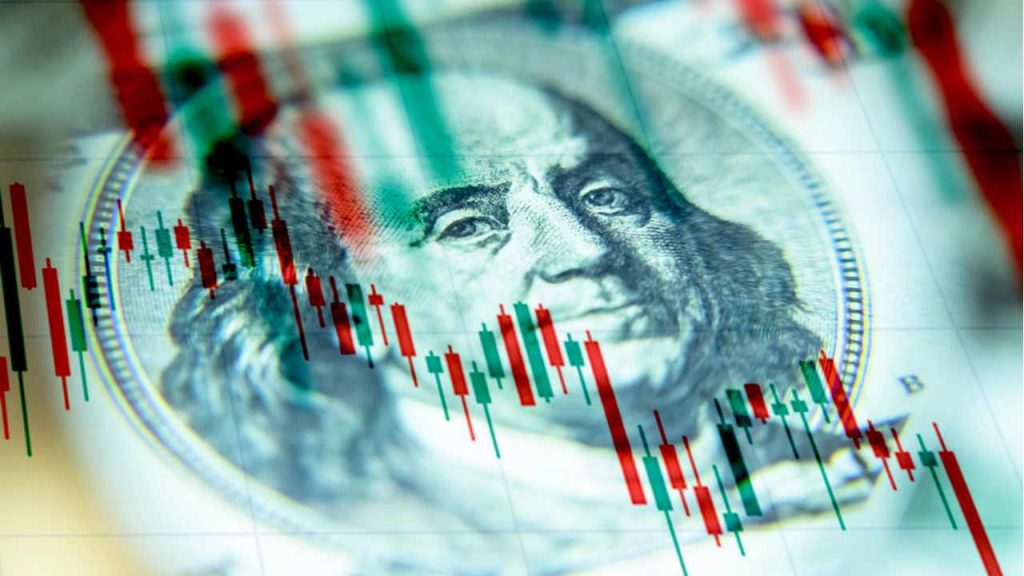
The U.S. dollar is suffering one of its steepest declines in nearly a decade, with the DXY index unable to reclaim the 100 level and sliding more than 9% since the start of the year.
At its worst point, the index was down roughly 11%, marking an unusually prolonged period of weakness for the world’s dominant reserve currency.
The slump is now reshaping forex positioning: for the first time in years, global investors are favoring Asian currencies over the greenback.
Asia Becomes the New Favorite in Currency Markets
A Reuters poll shows a decisive turn in sentiment. Traders have been building long exposure to several regional currencies – most notably the Singapore dollar, Thai baht, and Malaysian ringgit – pushing positioning to its strongest since mid-June. Analysts say the shift reflects both fading confidence in U.S. strength and improving fundamentals across Southeast Asia.
MUFG strategist Lloyd Chan highlighted Malaysia’s ringgit as a standout, citing ongoing fiscal reforms, resilient domestic investment, and narrowing yield gaps with the U.S. as key drivers of renewed interest.
Long bets on the Chinese yuan have also climbed to their highest levels since early 2023. The yuan has strengthened for four consecutive months – its longest winning streak in four years – supported by China’s record-breaking $1 trillion trade surplus driven by non-U.S. demand. Growing confidence in China’s external position is helping fuel broader optimism toward Asian FX.
One Exception: India’s Struggling Rupee
The rally across Asia has one conspicuous outlier: the Indian rupee, which has become the region’s worst-performing currency in 2025. The rupee fell to an all-time low of 90.47 this week despite repeated interventions by the Reserve Bank of India. Analysts warn the next stop could be 92, creating even larger profits for traders who have been shorting the currency.
While most Asian currencies are benefiting from the dollar’s slump, India’s domestic pressures – including inflation concerns and capital outflows – have weighed heavily on the INR.
A Rare Moment of Dollar Vulnerability
The dollar’s sustained weakness is prompting a structural rethink across currency markets. With Asian assets offering stronger growth signals and improving macro stability, traders are finding more compelling opportunities outside the U.S. – a narrative that has been largely absent for the past decade.
Whether the trend continues will depend on how U.S. economic conditions evolve in early 2026, but for now, the momentum has clearly shifted eastward.


 Commentaries








Fill in necessary fields and publish