


De-Dollarization May Be Temporary, According to Federal Reserve Paper
We may earn commissions from affiliate links or include sponsored content, clearly labeled as such. These partnerships do not influence our editorial independence or the accuracy of our reporting. By continuing to use the site you agree to our terms and conditions and privacy policy.

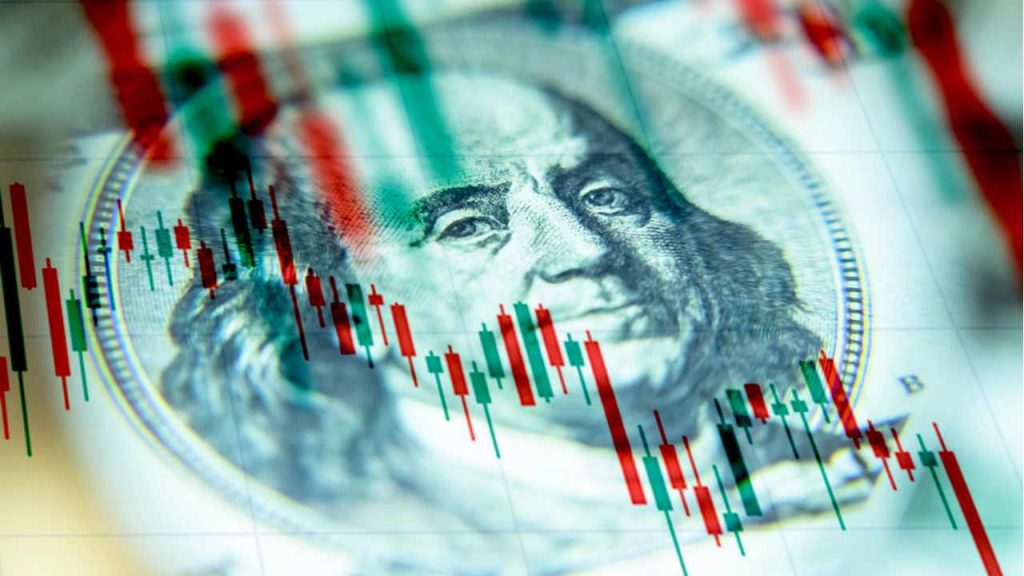
The dominance of the US dollar in global finance may be far less linear than current de-dollarization narratives suggest.
A new study by the Federal Reserve argues that the dollar’s role in international debt markets rises and falls in recurring cycles rather than following a steady upward or downward path.
Drawing on decades of international bond data, the research shows that dollar usage has repeatedly surged and retreated over the past sixty years. These shifts appear to follow broader financial and geopolitical conditions, suggesting that changes in dollar dominance are part of a recurring pattern rather than evidence of an irreversible decline.
This perspective offers a different lens on the growing discussion around de-dollarization. While alternative currencies have gained attention in recent years, the Fed’s findings imply that such movements tend to fade as global financial conditions evolve. In other words, periods of reduced dollar reliance have historically been followed by renewed demand.
China’s efforts to promote the renminbi as an international alternative illustrate this challenge. Despite policy support and increased use in bilateral trade agreements, the renminbi still lacks the depth, liquidity, and institutional trust required to rival the dollar at scale. As a result, the US currency continues to dominate global reserves and remains the primary borrowing denomination for most emerging economies.
The study suggests that concerns over the dollar losing its central role may be overstated. Rather than signaling the end of dollar dominance, recent trends may simply reflect another downswing in a long-established cycle – one that could eventually reverse.
That does not mean the global financial system will remain unchanged. The research leaves room for a more diversified currency landscape, where multiple currencies play a role in trade and settlement. Even so, the evidence points to a future where the dollar retains its leading position, while sharing space in a gradually more multipolar monetary order.
In that sense, de-dollarization may not disappear – but neither is it likely to dethrone the dollar outright. Instead, the dollar’s influence appears set to ebb and flow, much as it has for generations.


 Commentaries









Fill in necessary fields and publish