


Chuck Grassley Joins DeFi Debate Over Section 1960
We may earn commissions from affiliate links or include sponsored content, clearly labeled as such. These partnerships do not influence our editorial independence or the accuracy of our reporting. By continuing to use the site you agree to our terms and conditions and privacy policy.

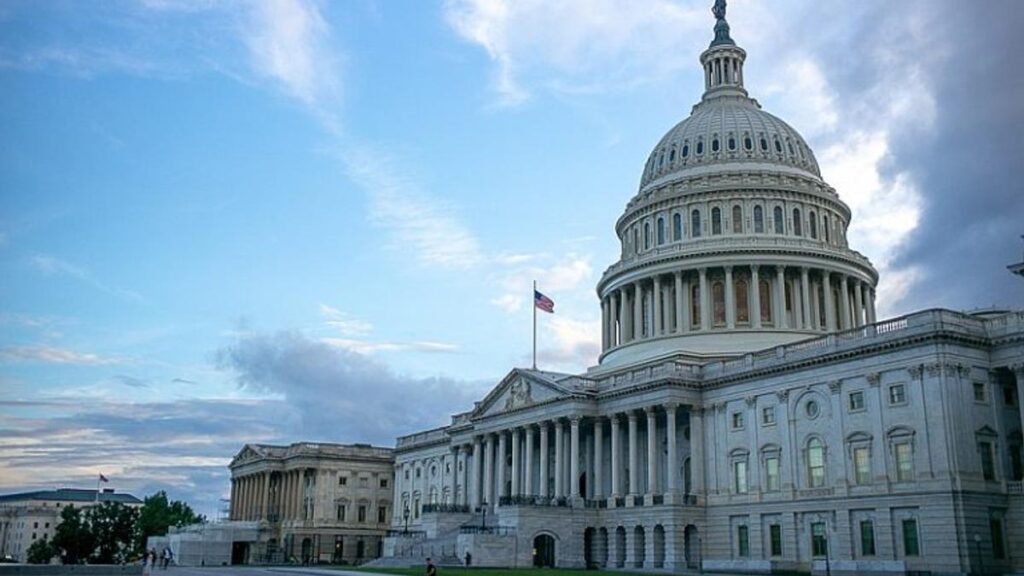
Senator Chuck Grassley joins the debate on Section 1960 as US lawmakers weigh developer liability and DeFi innovation ahead of crucial May committee votes.
Chuck Grassley is expected to take an active role in the debate this week as lawmakers attempt to strike a balance between innovation in decentralized finance and law enforcement against illegal activities.
The core dispute: Developer liability
At the center of the discussion is whether the existing text of “Section 1960″—part of federal legislation against unlicensed money services—can be applied to software developers. The crypto industry is pushing for a clearly defined framework to ensure that creating decentralized code is not automatically equated with operating a financial intermediary.
On the other side, lawmakers and regulators fear that overly broad protections could create loopholes for abuse. Their primary argument is that without sufficient accountability, decentralized platforms could be used for money laundering and bypassing financial controls.
Political dynamics and the Senate’s role
Thom Tillis has signaled in recent days that one of the main points of contention—surrounding stablecoins—has largely been cleared. This opens the way for the next key step: a formal committee review expected in mid-May.
In this context, Chuck Grassley’s position takes on particular importance. His insistence on the Judiciary Committee’s involvement could slow the process or lead to stricter restrictions on the DeFi sector—a development the industry is watching closely.
Limited window for action
The political calendar is putting additional pressure on negotiations. With only a few months remaining until the midterm elections, lawmakers are working under tight time constraints, increasing the likelihood of a compromise version.
The final text is expected to be provided to stakeholders just days before a potential committee vote—a signal of an accelerated process and limited room for further adjustments.
What this means for the market
The outcome of the debate over Section 1960 could have long-term consequences for the development of decentralized technologies in the U.S. A clear regulatory framework could encourage innovation and investment, while an overly restrictive approach might push developers toward more liberal jurisdictions.
Ultimately, the CLARITY Act is becoming a test of the ability of American institutions to regulate a rapidly evolving sector without undermining its potential. The decision regarding Section 1960 will be a key indicator of which way this balance tips.


 Commentaries










Fill in necessary fields and publish