


China and South Africa Launch First BRICS Loan in Yuan
We may earn commissions from affiliate links or include sponsored content, clearly labeled as such. These partnerships do not influence our editorial independence or the accuracy of our reporting. By continuing to use the site you agree to our terms and conditions and privacy policy.

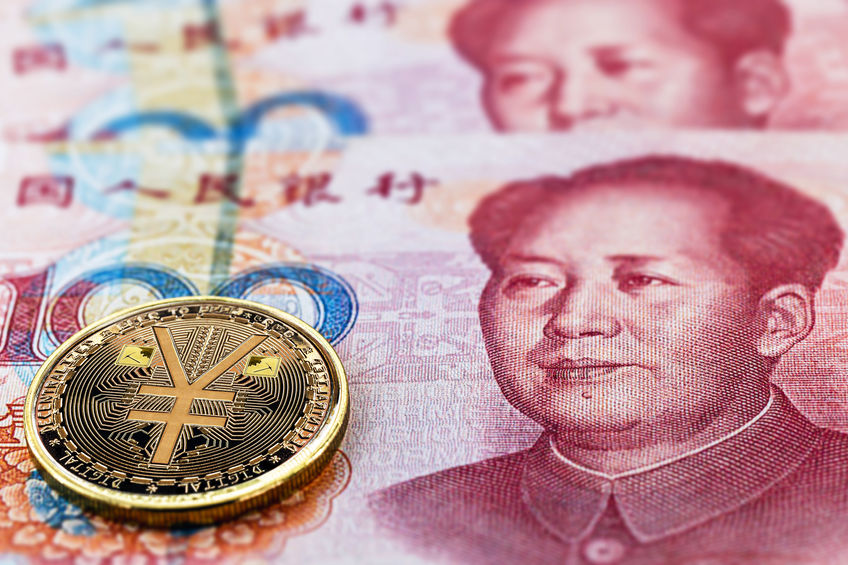
China and South Africa have taken a major step toward deepening their financial cooperation with a new loan agreement denominated in Chinese yuan.
The deal, valued at 2.1 billion yuan (around $290 million), was signed between the China Development Bank (CDB) and the Development Bank of Southern Africa (DBSA), marking their first-ever financing project conducted entirely in the Chinese currency.
The funds will be directed toward development projects across Africa, focusing on infrastructure, energy, manufacturing, and social sectors such as water management and education. Observers see the agreement as a practical extension of BRICS efforts to create alternatives to dollar-based lending.
Song Wei, a professor at Beijing Foreign Studies University, described the deal as strategically significant, emphasizing that yuan financing offers African economies a way to modernize without the constraints of limited local budgets or volatile foreign exchange exposure. According to Song, the new arrangement not only helps upgrade outdated infrastructure in South Africa but also supports job creation and cross-border education initiatives.
Read More:
The loan also underscores China’s growing influence in the global credit system. Renminbi lending abroad has risen sharply, climbing 35% this year to reach RMB3.4 trillion. Several African nations, including Kenya and Angola, have already restructured old dollar debts into yuan-based loans, while other countries – from Indonesia to Slovenia – are preparing to issue yuan-denominated bonds.
China’s share of global trade finance has more than tripled in three years, with nearly one in every 13 international trade deals now settled in renminbi. The Cross-Border Interbank Payment System (CIPS), Beijing’s alternative to Western clearing networks, processed over RMB40 trillion in transactions per quarter in 2024, showing how quickly financial flows are moving outside traditional dollar channels.
For South Africa, the deal not only strengthens ties with Beijing but also positions the country as a testing ground for broader BRICS financial integration. If successful, it could serve as a model for other nations seeking access to funding without relying on Western-led institutions.


 Commentaries









Fill in necessary fields and publish