


Reuters Poll: Fed to Cut Rates on September 17 as Economists Cite Labor Weakness
We may earn commissions from affiliate links or include sponsored content, clearly labeled as such. These partnerships do not influence our editorial independence or the accuracy of our reporting. By continuing to use the site you agree to our terms and conditions and privacy policy.

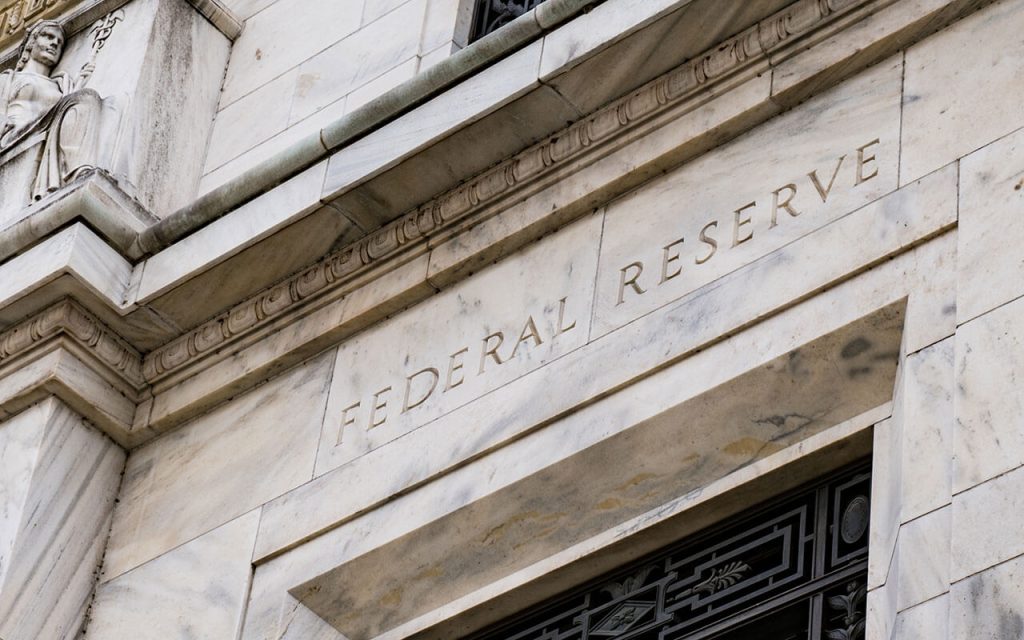
The U.S. Federal Reserve is widely expected to deliver its first rate cut of the year on September 17, as a softer labor market takes priority over inflation concerns, according to a new Reuters poll of 107 economists.
Nearly all respondents forecast a 25-basis-point reduction, lowering the federal funds rate to 4.00%–4.25%. Only two predicted a larger 50-basis-point cut. The overwhelming consensus reflects growing evidence of a slowdown in labor demand, highlighted by weak August job growth and a downward revision to employment data from the past 12 months.
Michael Gapen, chief U.S. economist at Morgan Stanley, said the Fed now has “four months of evidence of a slowdown in labor demand that appears more persistent in nature,” adding that policymakers should “ignore where inflation is today and ease policy to support the labor market.”
Markets price in more cuts
Markets have already priced in not only the September cut but also two further reductions this year, bringing the expected total to three. That compares to just two cuts anticipated only weeks earlier.
The poll also found that 60% of respondents expect the Fed to reduce rates by 50 basis points by the end of 2025, while 37% forecast 75 bps of cuts, a sharp increase from just 22% in August.
Policy risks and dissent
While Fed Chair Jerome Powell and several officials have hinted at easing, divisions remain. Governors Christopher Waller and Michelle Bowman opposed holding rates steady in July, and economists expect possible dissenting votes at next week’s meeting.
Bank of America’s Stephen Juneau cautioned that aggressive easing could risk a policy error if inflation proves more stubborn than anticipated: “If the Fed cuts aggressively… we get in the situation where it’s more of a policy error.”
Inflation and unemployment outlook

Despite the expected cuts, inflation is forecast to remain above the Fed’s 2% target until at least 2027. Unemployment, now at 4.3%, is projected to hover near that level for years. More than 60% of economists surveyed said either surging inflation or a mix of inflation and rising unemployment posed the greatest risk for the U.S. economy over the next 12 months.
Additional easing is likely in 2026. Poll medians suggest rates could fall another 75 basis points next year, bringing the federal funds rate to 3.00%–3.25%.
Political backdrop
President Donald Trump has repeatedly criticized Powell for not cutting sooner, and his nominee for Fed governor, Stephen Miran, may not be seated in time for next week’s meeting. Governor Lisa Cook remains in her position after a court blocked Trump’s attempt to remove her.
Economists expect Powell to deliver the September cut, but the balance between labor support and inflation risks will remain a central challenge for the Fed in the months ahead.


 Commentaries










Fill in necessary fields and publish