






JPMorgan CEO Jamie Dimon Comments Stablecoins
We may earn commissions from affiliate links or include sponsored content, clearly labeled as such. These partnerships do not influence our editorial independence or the accuracy of our reporting. By continuing to use the site you agree to our terms and conditions and privacy policy.

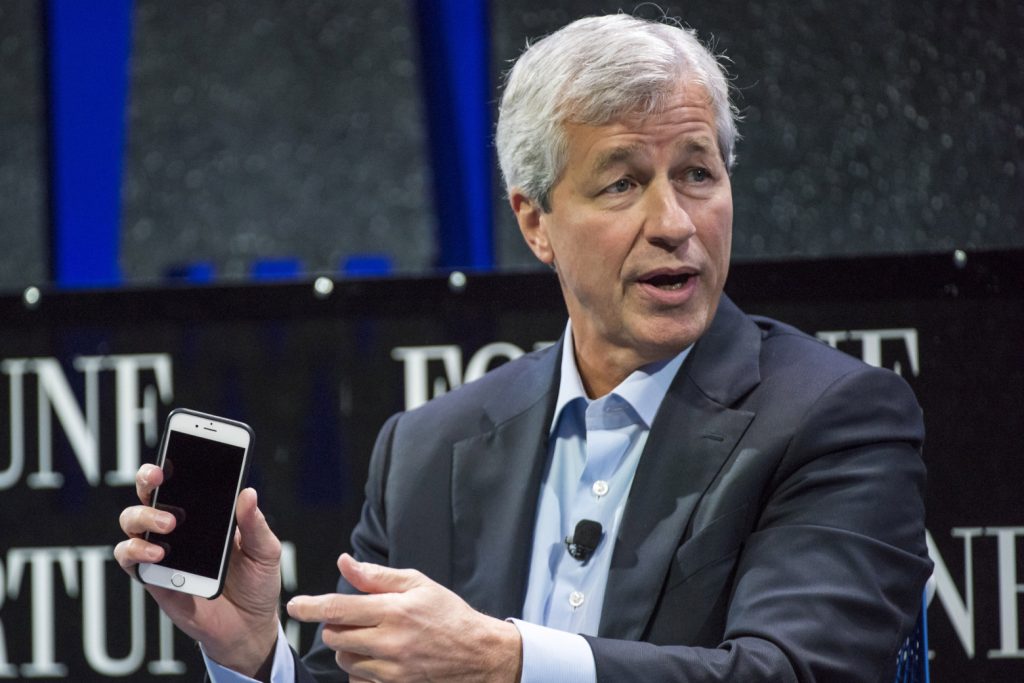
JPMorgan Chase CEO Jamie Dimon remains skeptical of stablecoins—but says ignoring them isn’t an option for the world’s most powerful bank.
Speaking during JPMorgan’s second-quarter earnings call on Tuesday, Dimon acknowledged the growing role of stablecoins in the payments ecosystem, even as he questioned their added value over traditional methods. “I think they’re real,” Dimon said, “but I don’t know why you’d want to use a stablecoin as opposed to just payment.”
Despite his reservations, Dimon made it clear that JPMorgan will not remain on the sidelines. The bank is actively developing its own blockchain-based payment tools, including a JPMorgan deposit coin and a limited-use stablecoin that is exclusively available to institutional clients.
Why JPMorgan Is Getting Involved
Stablecoins are digital tokens typically pegged to fiat currencies like the U.S. dollar and designed to maintain price stability. While Dimon doesn’t see the appeal compared to conventional payment systems, he acknowledged that understanding the technology—and being able to execute it—is now essential.
“We’re going to be involved in both JPMorgan deposit coin and stablecoins to understand it, to be good at it,” Dimon said, signaling a pragmatic approach rather than ideological support.
Read More:

How Can You Tell When it’s Altcoin Season?
A Defensive Move Against Fintechs
Dimon also sounded the alarm over rising competition from fintech firms that are rapidly building payment and banking infrastructures using stablecoin technology. “These guys are very smart,” he said. “They’re trying to figure out a way to create bank accounts, to get into payment systems and rewards programs.”
Given JPMorgan’s scale—it moves nearly $10 trillion per day globally—Dimon emphasized that remaining competitive requires actively engaging with emerging technologies. “The way to be cognizant is to be involved,” he added.
While Dimon has long criticized cryptocurrencies like Bitcoin, his tone on stablecoins appears to be shifting toward cautious integration, as regulatory clarity and fintech disruption reshape the future of global finance.


 Commentaries










Fill in necessary fields and publish