


Thailand SEC Proposes $151,000 Daily Limit for Crypto Transfers
We may earn commissions from affiliate links or include sponsored content, clearly labeled as such. These partnerships do not influence our editorial independence or the accuracy of our reporting. By continuing to use the site you agree to our terms and conditions and privacy policy.

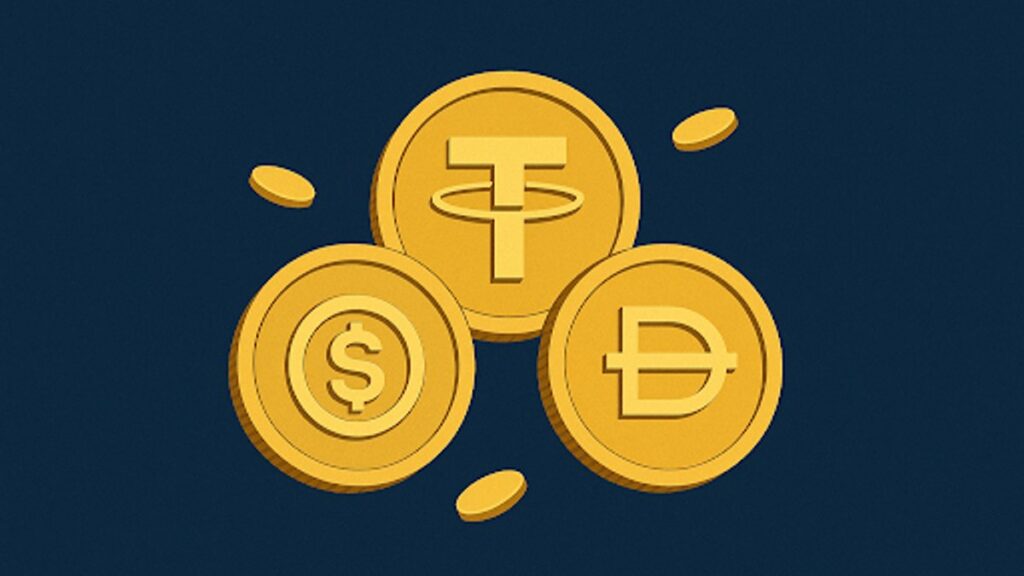
Thailand's SEC proposes a 5 million baht ($151,000) daily limit on crypto transfers to external wallets to combat money laundering and cybercrime.
The proposed plan introduces a daily limit of approximately 5 million baht ($151,000) for both incoming and outgoing transfers per client at each licensed operator.
Regulator Tightens Oversight of External Wallets
The Securities and Exchange Commission of Thailand (SEC) has opened a public consultation regarding changes to rules governing the deposit and withdrawal of specific digital assets through licensed operators.
The primary change focuses on the principle of ownership verification. When a client sends assets to a regulated platform, the operator must verify that the wallet or account from which the funds originate belongs to the same individual. The same requirement will apply to withdrawals sent to external addresses.
Under this new framework, direct transfers between a client’s account on a regulated platform and a wallet belonging to a third party will be restricted.
According to the SEC, the objective is to mitigate risks associated with money laundering, cybercrime, and the use of digital assets to bypass cross-border money transfer regulations.
Daily Limit Set at $151,000
The proposal also introduces a quantitative restriction. Deposits from external wallets will be capped at 5 million baht per client, per operator, per day. A separate limit of the same amount will apply to withdrawals.
This structure is significant for active market participants, as the restriction does not represent a total $151,000 cap for all operations combined. Incoming and outgoing flows are treated separately, and the limit applies to each regulated operator individually.
The measure specifically targets movement between Thailand’s regulated crypto infrastructure and wallets or accounts outside of it.
Travel Rule Exception for Local Platforms
The SEC suggests that these limits should not apply when digital assets are transferred between operators regulated within Thailand, provided the transaction complies with the “Travel Rule.”
The Travel Rule requires specific information about the sender and recipient to accompany transfers between regulated cryptocurrency service providers.
This allow operators and authorities to track transaction parties in a manner similar to the controls found in traditional financial transfers.
This exception creates a clear incentive for a larger portion of crypto movement to remain within licensed and identified channels.
Stablecoins Face Stricter Controls
The proposal arrives as stablecoins are increasingly used not just for crypto trading, but as a tool for cross-border value transfers. This characteristic has turned them into a major regulatory concern for countries maintaining control over international money flows.
For Thailand, the risk is that digital dollar assets could allow funds to move between the local financial system and foreign wallets without passing through traditional banking channels.
The proposed rules do not ban such transfers. Instead, the SEC is attempting to ensure identified ownership and establish a daily ceiling for entry and exit points within the regulated crypto system.
These measures are currently in the public consultation phase and do not yet represent final regulations. While this allows for potential adjustments to the parameters before adoption, the direction is clear: Thailand seeks tighter control over who can move stablecoins between local platforms and the external crypto market.
In a climate of uncertainty and market volatility, choosing a secure crypto wallet is becoming increasingly vital for investors. For a more detailed analysis of asset protection solutions, see the article “The Best Crypto Wallets for 2026,” which examines various options based on security, convenience, and functionality.


 Commentaries



Fill in necessary fields and publish