


Stronger Growth Eases IMF Concerns Over El Salvador’s Bitcoin Strategy
We may earn commissions from affiliate links or include sponsored content, clearly labeled as such. These partnerships do not influence our editorial independence or the accuracy of our reporting. By continuing to use the site you agree to our terms and conditions and privacy policy.

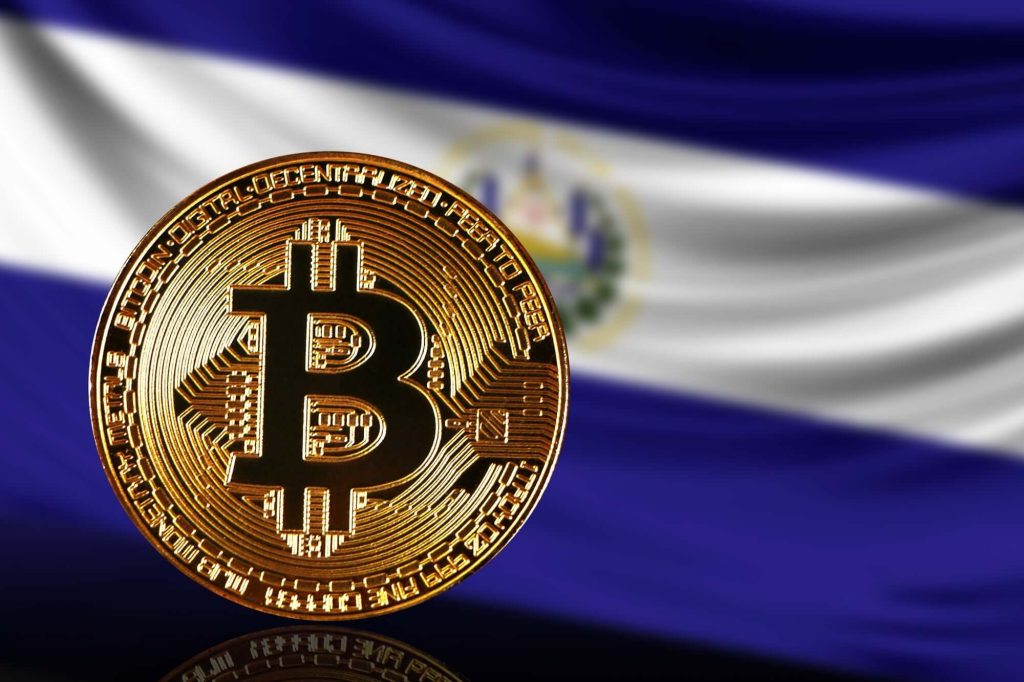
Relations between El Salvador and the International Monetary Fund appear to be thawing, as the IMF has publicly acknowledged stronger economic momentum and improved fiscal discipline in the Central American nation.
The shift is notable given that El Salvador has continued to expand its Bitcoin holdings – a policy that once sat at the center of sharp tensions with the Fund.
In its latest assessment, the IMF said El Salvador’s economy is now growing faster than previously anticipated. Real gross domestic product growth for 2025 is projected at around 4%, marking a meaningful upgrade from earlier forecasts and signaling improving underlying fundamentals.
Growth Momentum Reframes the IMF Dialogue
According to the IMF, several factors are driving the stronger outlook. Remittance inflows remain robust, investment activity has picked up, and improved domestic security has contributed to greater economic stability. Together, these developments have helped reduce near-term macroeconomic risks that previously dominated discussions between El Salvador and international lenders.
This improved performance has strengthened El Salvador’s position in negotiations with the IMF, shifting the conversation away from immediate concerns toward longer-term fiscal sustainability and structural reforms.
Bitcoin Policy Moves From Conflict to Coordination
The IMF has long criticized El Salvador’s embrace of Bitcoin, particularly after the country made the asset legal tender. However, the Fund’s recent language suggests a change in emphasis. Rather than framing Bitcoin adoption itself as the central problem, the IMF now highlights transparency, safeguards for public finances, and risk management around digital asset exposure.
This evolution implies that Bitcoin is no longer the sole sticking point. Instead, the focus has moved to how crypto-related policies fit within a broader regulatory and fiscal framework.
Concessions Pave the Way for IMF Support
As part of talks linked to a potential $1.4 billion IMF financing package agreed in March 2025, El Salvador has taken several steps to address the Fund’s concerns. Acceptance of Bitcoin by private businesses is no longer mandatory, removing one of the IMF’s most persistent objections. In addition, the government is in advanced discussions to sell the state-run Chivo wallet, further reducing direct public-sector involvement in crypto operations.
These measures signal a willingness to compromise without fully reversing course on digital asset policy.
Bitcoin Buying Continues in Parallel
Despite these adjustments, El Salvador has not abandoned its Bitcoin accumulation strategy. In November 2025 alone, the government added more than 1,000 BTC, bringing total holdings to roughly 7,474 BTC. The purchases underscore that Bitcoin remains a core element of the country’s long-term vision, even as surrounding policies are recalibrated.
This dual-track approach – maintaining Bitcoin exposure while tightening fiscal and regulatory guardrails – reflects an effort to balance innovation with international expectations rather than choosing one over the other.
Walking a Narrow Path Forward
The IMF’s softened stance suggests growing recognition that El Salvador is attempting to integrate unconventional policy within a more disciplined macroeconomic framework. If growth continues to outperform expectations, the country’s approach may increasingly be viewed less as a cautionary tale and more as a controlled experiment in blending digital asset adoption with traditional economic oversight.
For now, El Salvador appears to be navigating a delicate balance: preserving its Bitcoin ambitions while restoring confidence among global financial institutions.


 Commentaries








Fill in necessary fields and publish