


SEC Preps Crypto Custody Rule Overhaul for Investment Firms
We may earn commissions from affiliate links or include sponsored content, clearly labeled as such. These partnerships do not influence our editorial independence or the accuracy of our reporting. By continuing to use the site you agree to our terms and conditions and privacy policy.

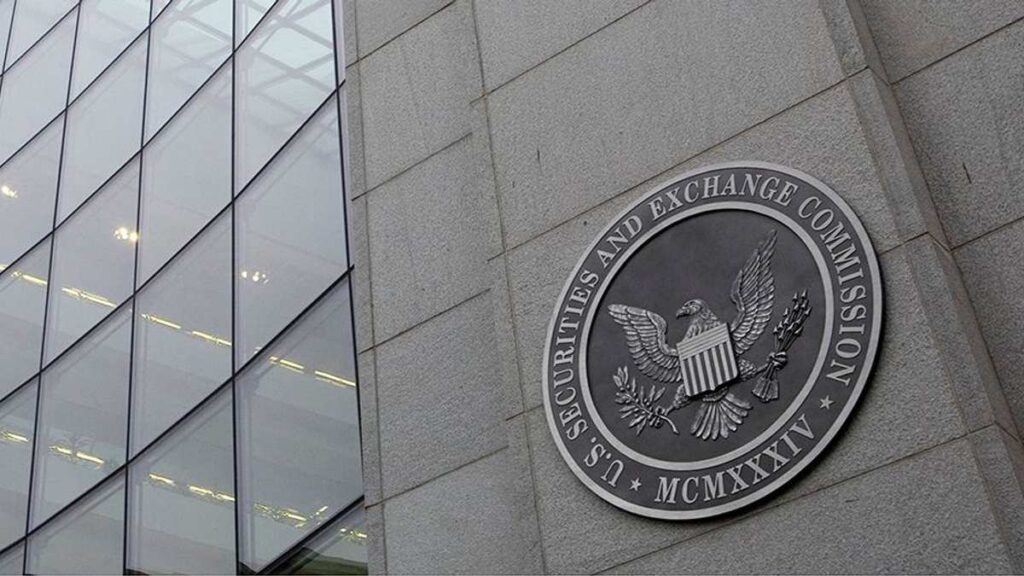
The SEC is preparing to overhaul crypto custody rules for investment firms, signaling a shift toward deregulation and institutional adoption of Bitcoin.
Custody remains one of the most complex hurdles for integrating Bitcoin and other digital assets into traditional investment management.
Rules for investment advisors were originally built around financial assets typically held by banks, brokers, and other qualified custodians. However, crypto assets present unique technical challenges because ownership effectively depends on the control of private keys.
This friction between traditional frameworks and modern storage methods appears to be a primary area the SEC intends to address.
According to information from Bloomberg, the proposal aims to clarify the crypto custody regime while eliminating certain requirements that no longer align with how these assets are traded and stored.
The exact scope of these changes is not yet public. The document must first undergo review by the Office of Management and Budget (OMB) before the SEC releases the full text.
The ‘Deregulatory’ Status is a Crucial Signal
One of the most significant details at this stage is the classification of the initiative as “deregulatory” under Executive Order 14192.
This designation hints at the proposal’s direction before the specific rules are even known. Rather than the SEC expanding obligations for investment companies, the regulator appears to be moving toward removing or reworking existing restrictions.
For the crypto industry, this distinction is substantial.
A clearer framework could reduce legal uncertainty for asset managers looking to offer Bitcoin or other crypto exposures without facing ambiguous regulatory risks regarding storage methods.
However, this does not necessarily mean weaker oversight. The more likely focus will be on which institutions can serve as qualified custodians and what technological standards they must meet.
Focus on New Storage Technologies
The potential impact extends beyond traditional asset holding in centralized wallets.
Institutional crypto infrastructure increasingly utilizes technologies like multi-sig wallets and multi-party computation (MPC), where control over assets is distributed among several parties or components.
Existing rules do not always fit naturally into these models.
If the new framework recognizes a broader range of technological solutions under clear standards for protecting client assets, it could increase competition between crypto custodians and traditional financial institutions.
For management companies, the practical benefit would be clarity: knowing which models can be used without future disputes over whether assets are held in compliance with federal requirements.
Part of a Broader Shift in SEC Strategy
The proposal arrives just a week after the SEC announced the “Regulation Crypto Assets” initiative on August 18, aimed at creating a more formalized regulatory framework for the digital asset market.
These two actions indicate a gradual shift from regulation by enforcement in individual cases toward crafting concrete rules for crypto market infrastructure.
The custody regime is vital to this transition. Institutional participation does not just depend on whether a crypto asset can be bought or sold. Funds must know who can legally store it, how it must be protected, and who is liable if keys are lost or compromised.
The Next Milestone: Publication of the Text
The submission to the OMB does not mean the new rules have been adopted.
The review process can last up to 90 days, after which the SEC can publish the proposal and open a public comment period. The Commission will only vote on a final version after reviewing those comments.
Consequently, the immediate effect on the industry remains limited. The more important factor for now is the signal regarding the direction of U.S. regulation.
If the SEC replaces legacy requirements with rules tailored to how digital assets are stored today, the change could remove a long-standing practical barrier to broader institutional participation in the American crypto market.


 Commentaries




Fill in necessary fields and publish