


Russia’s Largest Exchanges Signal Readiness for Regulated Crypto Trading
We may earn commissions from affiliate links or include sponsored content, clearly labeled as such. These partnerships do not influence our editorial independence or the accuracy of our reporting. By continuing to use the site you agree to our terms and conditions and privacy policy.

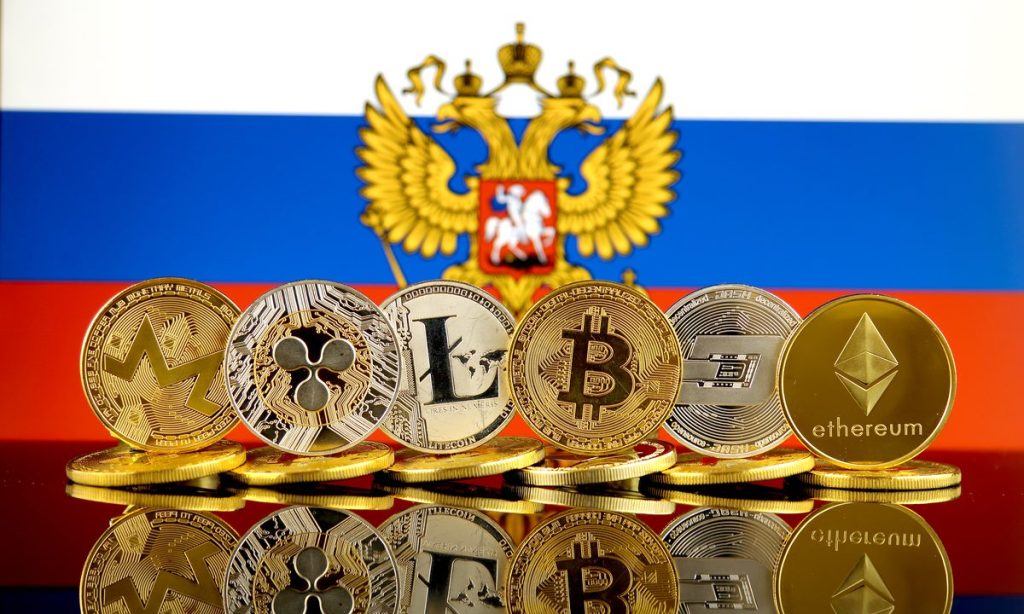
Russia is quietly laying the groundwork for a regulated crypto market, and its largest exchanges say the technical side is already done. What’s missing is not infrastructure, but legislation.
Both Moscow Exchange and St. Petersburg Exchange have confirmed they are prepared to introduce cryptocurrency trading as soon as lawmakers finalize national rules. The statements reflect a clear shift from years of skepticism toward a model that allows crypto exposure – but only under strict supervision.
A Controlled Opening, Not a Free Market
The regulatory blueprint, drafted by the Bank of Russia, does not envision open access. Instead, it proposes a segmented market designed to limit risk while keeping activity inside the traditional financial system.
Retail investors would be allowed in, but only cautiously. Participation would be capped annually, tied to mandatory knowledge testing, and routed through a single licensed broker. Asset selection would also be narrow, likely limited to the most established cryptocurrencies such as Bitcoin and Ethereum.
More experienced or high-net-worth investors would operate under looser constraints. They would face no transaction caps and gain access to a broader set of assets, though privacy-focused coins like Monero and Zcash would remain off-limits. Even at this level, risk-awareness testing would still apply.
The structure makes one thing clear: Russia is not opening the door to crypto speculation – it is creating a gated entry point.
When Trading Could Begin
The timeline points to a gradual rollout rather than an immediate launch. Lawmakers are aiming to complete the legal framework by mid-2026. Once that happens, both MOEX and SPB expect to begin offering crypto trading within the same year.
Full enforcement, including penalties for unauthorized intermediaries and off-platform activity, would follow in 2027. Importantly, even under the new rules, cryptocurrencies would remain barred from use as domestic payment instruments. They would be classified strictly as investment assets.
Why This Is a Big Shift
If enacted, the framework would fold crypto trading directly into Russia’s core financial infrastructure for the first time. Rather than pushing activity offshore or into gray markets, authorities appear intent on channeling demand through regulated exchanges and licensed brokers they already oversee.
The fact that the exchanges are technically ready suggests the remaining hurdle is political, not operational. Once approval is granted, Russia’s regulated crypto market could come online quickly.
This approach reflects a broader recalibration: not an embrace of crypto ideology, but an acknowledgment that digital assets are not disappearing – and that controlling access may be preferable to banning it outright.


 Commentaries









Fill in necessary fields and publish