


Minnesota Bans Crypto ATMs Following $1 Million Fraud Surge
We may earn commissions from affiliate links or include sponsored content, clearly labeled as such. These partnerships do not influence our editorial independence or the accuracy of our reporting. By continuing to use the site you agree to our terms and conditions and privacy policy.

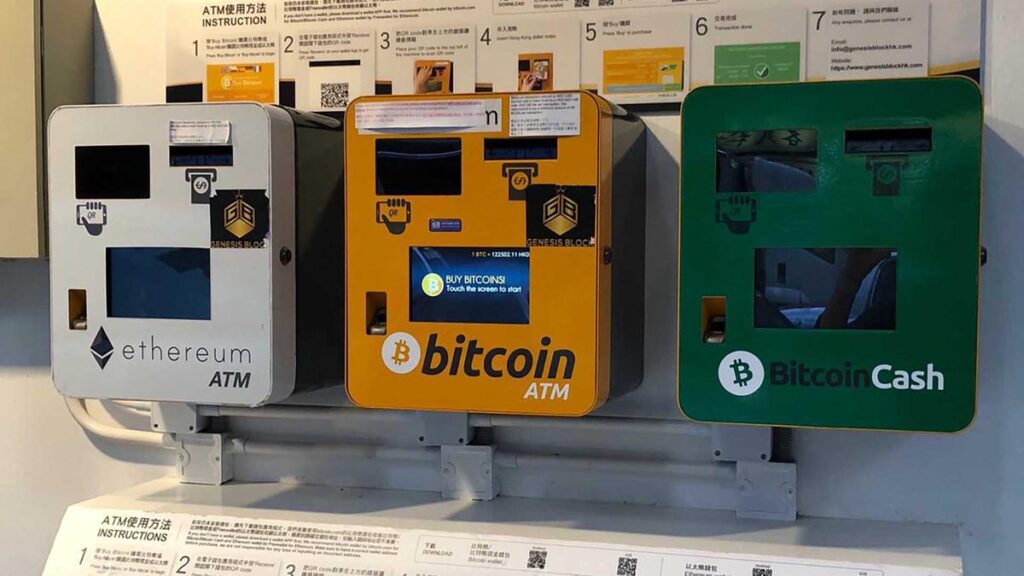
Minnesota has implemented a total ban on crypto ATMs after investigations revealed nearly $1 million in consumer losses linked to fraudulent activities.
A new law went into effect on August 1, mandating that all operators immediately halt crypto terminal operations and remove them by the end of the year.
This measure follows state investigations revealing that crypto ATMs have been widely used in financial fraud, resulting in consumer losses totaling nearly $1 million.
Operators Must Remove Devices by Year-End
With the passage of this law, Minnesota prohibits the installation, operation, and maintenance of crypto ATMs within the state. These new rules replace the regulatory requirements introduced in 2024; rather than opting for stricter oversight, legislators chose a total ban.
All operators were required to deactivate their devices as of August 1 and must remove them from commercial locations by December 31, 2026. By this deadline, companies must also settle all outstanding customer transactions and refund remaining funds—either in fiat currency or via transfer to a specified crypto wallet.
According to data from CoinATMRadar, between 200 and 350 crypto ATMs were operating in Minnesota just before the ban, primarily located in gas stations, convenience stores, and shopping centers. These devices were managed by approximately eight different companies.
Nearly $1 Million Lost to Fraud
The primary motivation behind this legislative change is the rising frequency of scams involving crypto terminals.
The Minnesota Department of Commerce investigated 134 reports between 2023 and 2025, with total consumer losses reaching nearly $1 million.
Law enforcement officials state that fraudsters frequently used crypto ATMs to convince victims to transfer funds under the guise of protecting bank accounts or assisting in an investigation. Once the money is exchanged for cryptocurrency and sent to external wallets, recovery becomes exceptionally difficult.
Authorities noted that elderly individuals are most often targeted, frequently being persuaded to transfer significant sums, including personal savings, through these devices.
Part of a Broader Regulatory Shift
Minnesota is not the only U.S. state tightening control over physical crypto terminals.
Similar legislative or regulatory initiatives have already been launched in Tennessee and Georgia, while Delaware and New Jersey are also considering measures to restrict crypto ATM activity.
Increased regulatory pressure shows that physical crypto terminals are increasingly under the scrutiny of authorities aiming to curb financial fraud. Meanwhile, the industry warns that such bans could limit access to digital assets for consumers who rely on these devices as a straightforward way to buy and sell cryptocurrencies.
In a climate of uncertainty and market volatility, choosing a secure crypto wallet is becoming vital for investors. For a more detailed analysis of asset protection solutions, see the article “Best Crypto Wallets for 2026,” which examines various options based on security, convenience, and functionality.


 Commentaries










Fill in necessary fields and publish