


Bukele Rebuts Claims on El Salvador Bitcoin Reserve Control
We may earn commissions from affiliate links or include sponsored content, clearly labeled as such. These partnerships do not influence our editorial independence or the accuracy of our reporting. By continuing to use the site you agree to our terms and conditions and privacy policy.

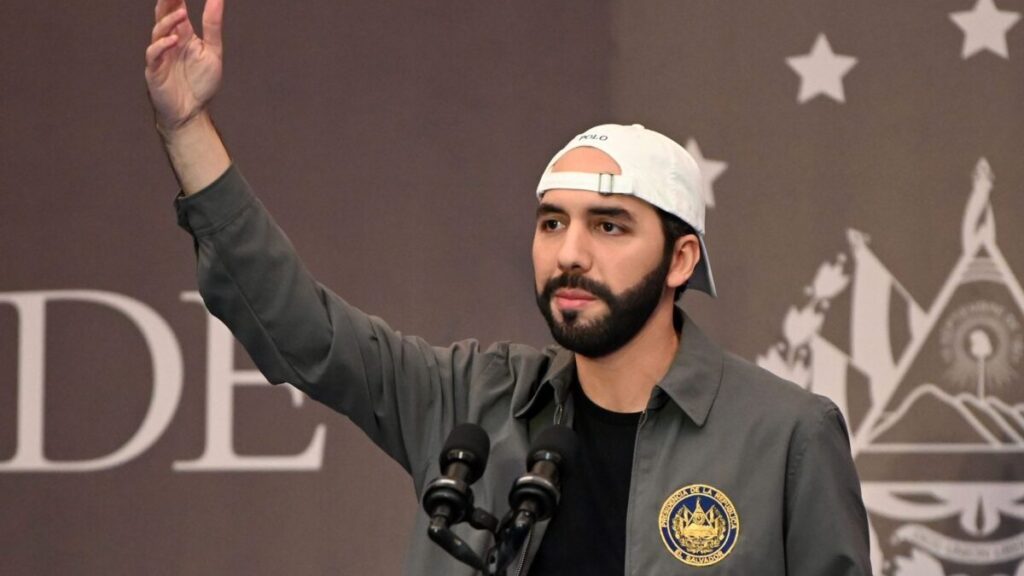
President Bukele clarifies that private control of Chivo Wallet does not include El Salvador's national Bitcoin reserves, aligning with IMF statements.
President Nayib Bukele has rejected recent interpretations regarding the country’s crypto assets, as the latest wording from the International Monetary Fund (IMF) supports a clear distinction between sovereign Bitcoin holdings and changes in the management of Chivo Wallet.
Normalmente no contesto directamente a tanta noticia falsa, pero esta me pareció un buen ejemplo de cómo estos “periodistas” y medios de comunicación MIENTEN descaradamente a sus lectores.
— Nayib Bukele (@nayibbukele) September 4, 2026
Lean este tuit, que ASEGURA que El Salvador ha transferido sus reservas de bitcoin a un… https://t.co/Y9OdnNpKal
Bukele Challenges Key Claims in Recent Reports
The core of the dispute is not whether El Salvador is reducing its direct involvement in parts of its Bitcoin infrastructure, but rather what specific assets were transferred. While El País linked recent management changes to the national BTC reserve, Bukele is contesting this specific claim, asserting that the private operator has not gained control over the nation’s strategic holdings.
The IMF’s most recent statement employs narrower terminology. The Fund notes a transfer of majority ownership and operational control regarding the government-backed Chivo Wallet. Notably, the text does not state that the national Bitcoin reserve was part of this transaction.
This distinction significantly alters the financial implications of the news, separating corporate wallet management from sovereign asset ownership.
Chivo Wallet and National BTC: Distinct Assets
Chivo serves as the payment infrastructure established after the leading cryptocurrency was adopted as legal tender in 2021. The platform’s operator manages the service, but that role does not automatically grant ownership or custody of separately held state crypto assets.
A private company assuming majority ownership and operational control of Chivo represents a shift in the wallet’s corporate model. In contrast, transferring the national Bitcoin reserve would be an entirely different operation, necessitating a change in the ownership or custody of the tokens themselves.
The absence of such a specific detail in the IMF’s position forms the foundation of Bukele’s objection to current media narratives.
The Importance of the Distinction for IMF Relations
The IMF has consistently urged El Salvador to mitigate financial risks stemming from state involvement in Bitcoin. Moving Chivo to a private operator aligns with this objective without necessarily requiring the sale or handover of accumulated reserves.
Consequently, these two actions carry different weights. One reduces the state’s role in managing a payment service, while the other would fundamentally change how the country controls its own crypto assets.
The Shift Toward Proof of Ownership
Bukele’s challenge shifts the focus toward documentary and on-chain verification of ownership. If the strategic reserves are not part of the deal with the Chivo operator, their custody should remain independently traceable.
This makes future official disclosures regarding the reserve structure more critical than the current linguistic debate. Such data could confirm whether the state continues to control over 7,763 BTC, finally separating the privatization of Chivo from the management of the national Bitcoin reserve.


 Commentaries



Fill in necessary fields and publish