


Kiyosaki Says The Real Crash Is Coming – And Bitcoin Will Survive It
We may earn commissions from affiliate links or include sponsored content, clearly labeled as such. These partnerships do not influence our editorial independence or the accuracy of our reporting. By continuing to use the site you agree to our terms and conditions and privacy policy.

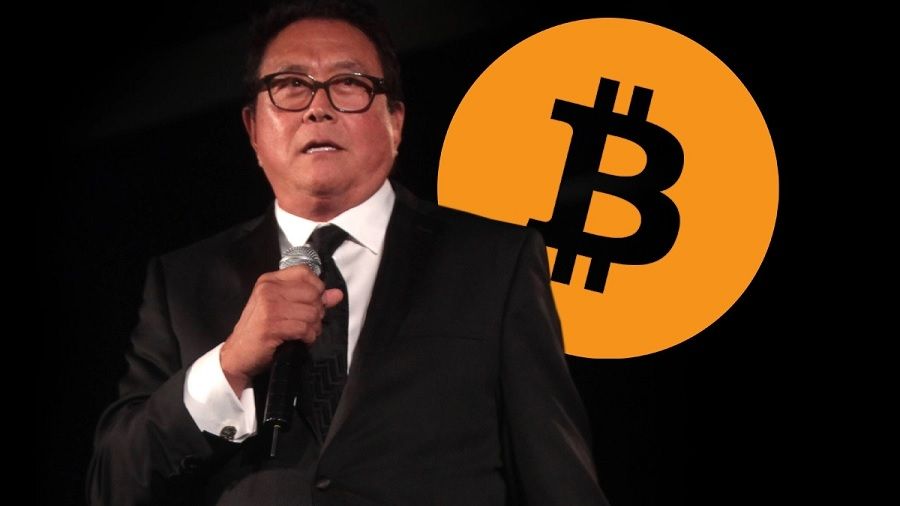
Robert Kiyosaki has stepped into the latest wave of crypto fear with a message that cuts against the anxiety dominating markets.
While Bitcoin continues to slide, the Rich Dad Poor Dad author says he isn’t selling a single coin – and insists the downturn says more about global liquidity stress than it does about Bitcoin’s long-term outlook.
In a post to his X audience, Kiyosaki argued that the current market rout resembles a worldwide dash for cash. According to him, assets across the board are being sold not because investors have lost conviction, but because many simply need liquidity. “This is an everything sell-off,” he suggested, calling the environment a slow-motion deflation of a bubble caused by extreme debt levels and tightening financial conditions.
Kiyosaki said he can afford to stay calm because he personally isn’t facing a cash crunch. Without the pressure to raise funds, he believes holding through fear is far easier. His stance remains unchanged: gold, silver, Bitcoin, and Ethereum are long-term bets he expects to benefit when governments eventually resort to large-scale currency creation to stabilize their financial systems – a scenario he refers to as “The Big Print.”
Read More:
Still, he acknowledged that his views could be wrong and stressed that he doesn’t offer financial advice. Rather, he highlighted the psychological side of investing, noting that many people offload high-quality assets during downturns simply because they’re desperate for cash. “If you need money, you might have to sell your best investments,” he wrote, making a distinction between panic and necessity.
True to form, Kiyosaki injected a bit of humor to lighten the message. Quoting Miss Piggy from The Muppets, he joked that the best money strategy is “always having a lot of money,” using the line to emphasize his long-term preference for cash-flowing investments such as real estate and private assets over traditional stocks and bonds.
He ended his message on a reflective note, reminding followers that financial missteps are often the greatest teachers. His own mistakes, he said, played a major part in building his wealth – and in his view, investors should treat downturns as lessons rather than reasons to panic.


 Commentaries










Fill in necessary fields and publish