


Kazakhstan Targets Crypto Hub Status with New Presidential Decree
We may earn commissions from affiliate links or include sponsored content, clearly labeled as such. These partnerships do not influence our editorial independence or the accuracy of our reporting. By continuing to use the site you agree to our terms and conditions and privacy policy.

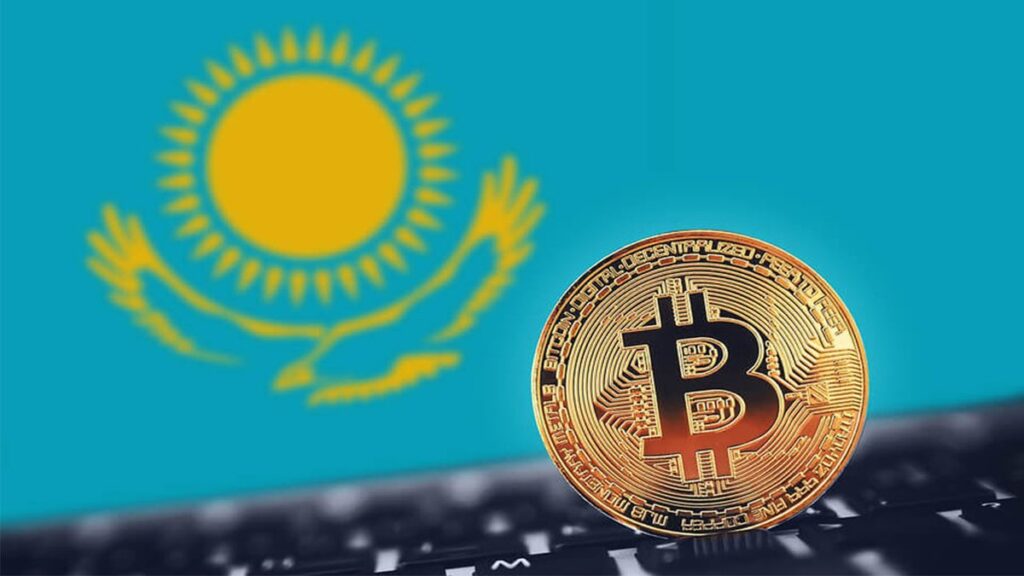
President Tokayev signs a decree to integrate stablecoins into Kazakhstan's payment system, offering tax incentives and new rules for crypto mining.
The new framework outlines the integration of stablecoins into the national payment system, provides tax incentives for investors, establishes a stricter licensing regime for companies, and introduces fresh measures for the development of crypto mining.
Kazakhstan accelerates its digital strategy
With the new decree, President Tokayev has placed the development of digital assets among the country’s key economic priorities. The primary objective is to move the crypto industry out of the “gray sector” and build a transparent regulatory environment capable of attracting international companies and capital.
One of the most significant shifts is the intent to integrate stablecoins into the national payment infrastructure. Authorities view digital assets as tools for faster and cheaper international settlements, particularly in import-export operations. This move positions Kazakhstan among the nations actively exploring the use of regulated digital currencies within the real economy.
Simultaneously, the government is tightening rules for market participants. All digital asset service providers, including crypto exchanges and token issuance platforms, must operate within a licensed environment. Companies operating outside the Astana International Financial Centre (AIFC) framework will be required to obtain a license or register directly with the National Bank of Kazakhstan.
Tax incentives and new rules for investors
Alongside stricter controls, authorities plan to introduce several incentives to drive sector growth. Among the most vital proposals is the exemption of individuals from income tax on capital gains from digital asset transactions, provided they are conducted through licensed platforms.
Through this approach, the government aims to encourage investors to use regulated markets rather than unregulated international exchanges. These policies are expected to increase transparency and improve the collection of transaction data across the sector.
The new decree builds upon the legislative framework introduced in May of this year, when Kazakhstan officially categorized digital assets into two groups: unsecured cryptocurrencies and digital financial assets, which include stablecoins and tokenized financial instruments.
Under current regulations, all stablecoins issued in Kazakhstan must be fully backed by cash reserves. Furthermore, issuers must be registered as joint-stock companies or limited liability companies with a minimum equity capital of 200 million tenge.
Authorities are also considering mandatory qualification tests for investors involved in specific digital asset transactions to ensure participants understand the risks associated with crypto investments.
Crypto mining remains a strategic sector
The decree places special emphasis on crypto mining, a sector where Kazakhstan already ranks among the world’s leading nations.
The government plans to utilize associated petroleum gas from oil fields to power digital mining centers. This initiative aims to reduce energy waste, improve mining efficiency, and provide more sustainable electricity for the industry.
This strategy is being implemented jointly by the Ministry of Artificial Intelligence and Digital Development, the National Bank, and the AIFC. Beyond attracting foreign investment, the country aims to create high-tech jobs and build a competitive ecosystem for blockchain companies.
The new decree aligns with President Tokayev’s long-term vision of establishing a national Digital Asset Fund, which could serve as a strategic crypto reserve for Kazakhstan in the future. As a result, the country continues to solidify its ambition to become one of the most favorable jurisdictions for crypto development in Eurasia.
In a period of market volatility, choosing a secure crypto wallet is increasingly vital for investors. For a detailed analysis of asset protection solutions, see the article “Best crypto wallets for 2026,” which explores various options based on security, convenience, and functionality.


 Commentaries



Fill in necessary fields and publish