






Investors Abandon Small Caps as Crypto ETFs Explode in Popularity
We may earn commissions from affiliate links or include sponsored content, clearly labeled as such. These partnerships do not influence our editorial independence or the accuracy of our reporting. By continuing to use the site you agree to our terms and conditions and privacy policy.


A noticeable shift in trading behavior has taken shape across the crypto market: instead of speculating on volatile small-cap tokens, both retail traders and institutions are increasingly favoring regulated investment vehicles that provide crypto exposure without the complications of self-custody or thinly traded exchanges.
This change has pushed ETF providers into the center of the industry’s momentum and turned several newly launched funds into immediate standouts.
Nowhere is that more obvious than in the launches tied to XRP and Solana. Their debut performance stunned even optimistic analysts, with both funds opening to higher trading activity than any other ETF introduced in the United States this year. Canary’s XRPC ETF alone has kept pulling in about $15 million a day after an enormous $240 million seed allocation on its first day – numbers that have forced issuers to rethink how much demand truly exists for regulated altcoin exposure.
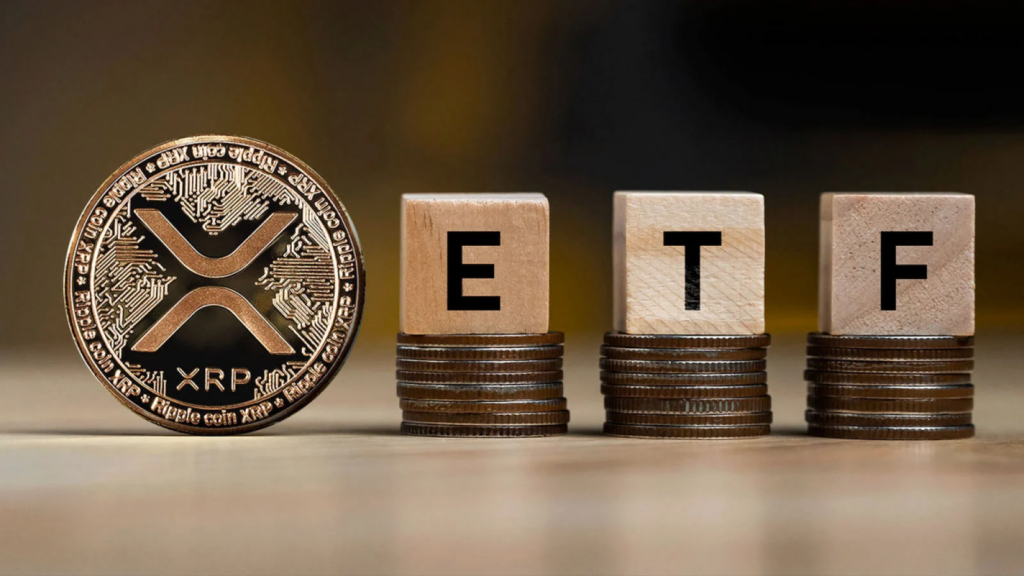
The rush of activity has encouraged a rapid acceleration in the next round of filings. With the SEC fully operational again following the government shutdown, the pipeline is moving quickly. Bitwise is targeting November 26 for its Dogecoin ETF, while Grayscale plans to convert its Chainlink Trust into an ETF on December 2. Market watchers view these launches as only the beginning of a larger expansion wave.
Read More:
Innovation in the ETF arena is also moving faster than the regulatory conversation surrounding it. BlackRock’s proposal for an Ethereum fund that includes staking has triggered widespread debate, especially around the tax obligations that staking rewards might create for investors if approved.
What’s striking is that this surge of interest in crypto investment products hasn’t triggered the classic “altseason” cycle. Instead of rotating into extremely high-risk tokens, traders are gaining exposure to volatility through instruments like mining stocks, Digital Asset Trusts, and derivatives connected to Bitcoin ETFs. Structured products are becoming the preferred way to chase upside without diving into illiquid markets.
Many analysts believe the next evolution won’t be dozens of standalone altcoin ETFs but broad crypto index products combining several assets into a single investment. Those vehicles would offer the diversification wealth managers want while avoiding the operational burden of handling multiple cryptocurrencies directly.


 Commentaries










Fill in necessary fields and publish