






Ethereum May Get a Market for Future Gas Costs Under New Buterin Idea
We may earn commissions from affiliate links or include sponsored content, clearly labeled as such. These partnerships do not influence our editorial independence or the accuracy of our reporting. By continuing to use the site you agree to our terms and conditions and privacy policy.

A growing number of Ethereum users are asking a simple question: can today’s low gas fees really last?
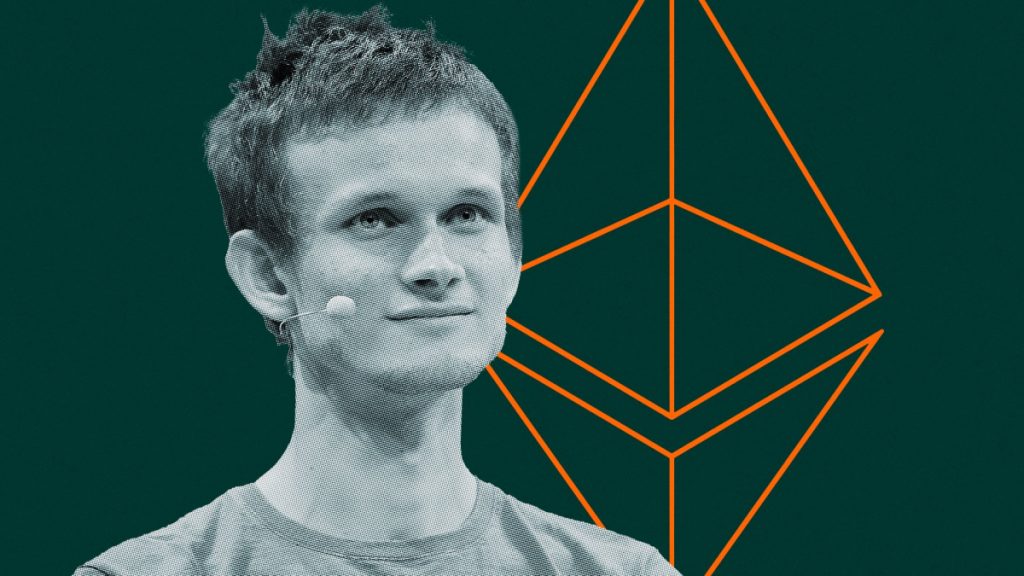
Vitalik Buterin thinks the best answer may come not from upgrades, but from markets. He’s now suggesting that Ethereum eventually support a trustless system where people can trade or lock in future gas costs – turning uncertainty into something measurable.
We need a good trustless onchain gas futures market.
(Like, a prediction market on the BASEFEE)
I've heard people ask: "today fees are low, but what about in 2 years? You say they'll stay low because of increasing gaslimit from BAL + ePBS + later ZK-EVM, but do I believe you?"…
— vitalik.eth (@VitalikButerin) December 6, 2025
Rather than debating whether upcoming improvements like EIP-4844, higher gas limits, or more efficient ZK-EVMs will keep fees stable, Buterin argues that a forward-looking market would let users see expectations directly. Such a system would function like an on-chain prediction engine tied to BASEFEE, allowing people to hedge, prepay, or cap their long-term exposure to rising gas.
Early versions of this idea are already being tested. One example is Oiler Network’s “Pitch Lake,” a prototype vault that tokenizes gas exposure using monthly basefee averages verified by StarkNet proofs. It’s still experimental, but Buterin sees it as evidence that builders are beginning to explore economic tools rather than relying solely on protocol upgrades.
A major obstacle remains: there aren’t enough natural participants willing to take the opposite side of users hedging rising fees. Researcher Hasu noted that most actors want protection from higher gas – meaning nearly everyone is on the same side of the trade. Without a counterparty, a futures market could remain thin and ineffective.
Buterin raised a provocative solution: let Ethereum itself supply the missing short side. The protocol could auction off rights to fixed amounts of future gas, injecting liquidity into the market and creating a foundation for a healthy pricing system.
The idea comes at a moment when Ethereum’s fee stability is increasingly important for developers, enterprises, and high-throughput projects. Even with gas currently low, past volatility still shapes expectations – and many want tools, not guesses, to plan ahead.
For Buterin, this isn’t about adding another speculation layer. It’s about giving Ethereum users a predictable economic environment as the network continues to scale.
 1
1


 Commentaries








Fill in necessary fields and publish