






Ethereum Developers Set Dec. 3 Mainnet Launch for Fusaka Upgrade
We may earn commissions from affiliate links or include sponsored content, clearly labeled as such. These partnerships do not influence our editorial independence or the accuracy of our reporting. By continuing to use the site you agree to our terms and conditions and privacy policy.

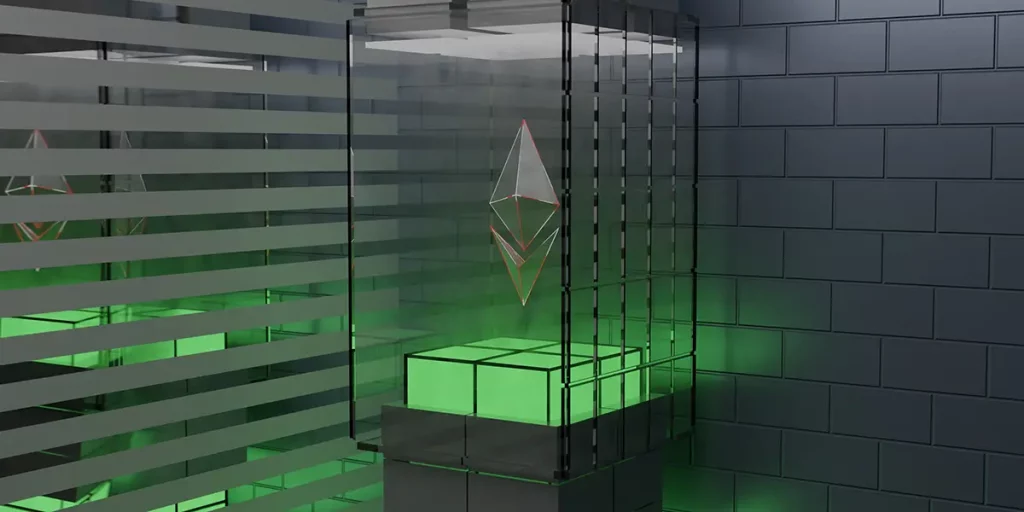
Ethereum core developers have confirmed that the network’s next major hard fork, Fusaka, is slated to go live on the mainnet on December 3, 2025.
The timeline was shared during the ACDC #165 developer call, with final details on block numbers and activation windows expected in the coming days.
Testnet rollouts ahead of mainnet launch
Before the upgrade reaches the main network, Fusaka will be deployed in stages across Ethereum’s testnets: Holesky on October 1, Sepolia on October 14, and Hoodi on October 28. Developers will use these testnet activations to ensure stability and performance before the December release.
One of the key expectations is that blob capacity – introduced with Ethereum’s previous Dencun upgrade – will double within two weeks after Fusaka goes live, further improving data availability for rollups.
What Fusaka brings to Ethereum
Fusaka is designed to advance Ethereum’s scalability while preserving decentralization and security.
Among its core features:
- Peer Data Availability Sampling (PeerDAS): allows validators to verify large data “blobs” by sampling small pieces from peers, avoiding the need to download entire datasets.
- Higher block gas limits: expanding from 30 million to 150 million units, opening room for more transactions per block.
- Verkle Trees: optimizing data storage with smaller proof sizes, making light clients more efficient.
EVM enhancements: improvements to execution speed and gas efficiency for smart contracts.

A step toward scaling Ethereum’s future
With Fusaka, Ethereum takes another significant step toward becoming a more scalable settlement layer for the global economy. By combining higher transaction capacity with innovations in data verification and storage, the upgrade is expected to ease network congestion and reduce costs for users and developers alike.


 Commentaries







Fill in necessary fields and publish