


Crypto Market Outlook for 2026: Cautious Optimism After a Maturing Cycle
We may earn commissions from affiliate links or include sponsored content, clearly labeled as such. These partnerships do not influence our editorial independence or the accuracy of our reporting. By continuing to use the site you agree to our terms and conditions and privacy policy.

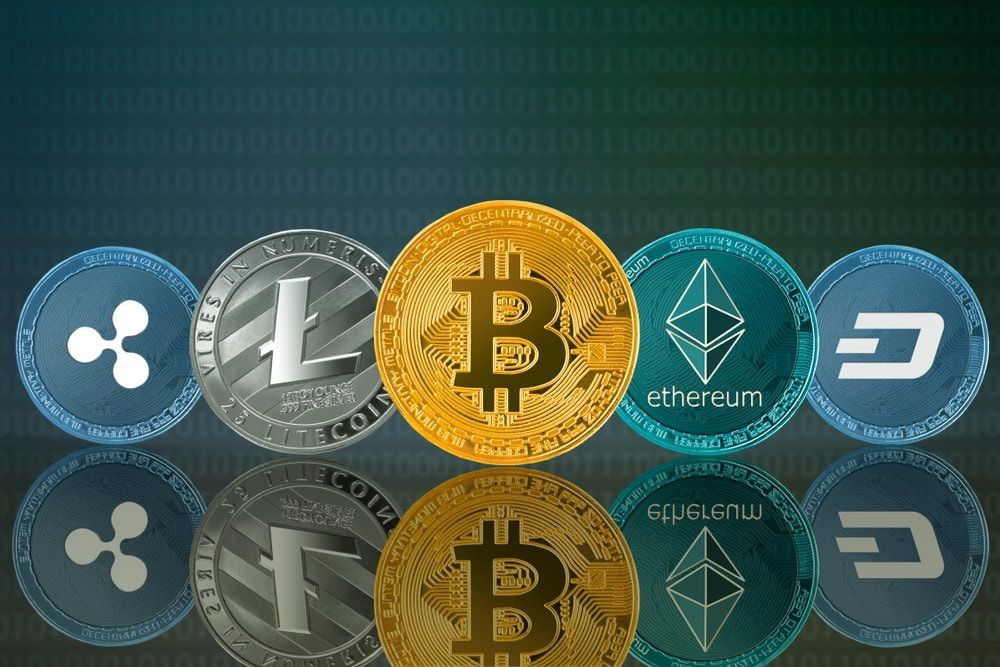
As crypto markets move past the explosive post-halving phase and deeper into institutional adoption, 2026 is shaping up to be a year defined less by speculation and more by selectivity.
Exchange-traded funds, tighter regulation, and maturing onchain infrastructure are gradually changing how capital moves across the sector.
Rather than expecting across-the-board rallies, the next phase is likely to reward assets with clear demand drivers, liquidity depth, and regulatory clarity. Below is a base-case outlook for major cryptocurrencies in 2026, assuming no severe macro shock and a gradual easing of global financial conditions.
Bitcoin: Consolidation With Structural Support
Bitcoin remains the benchmark asset for the entire market and is expected to retain that role in 2026. Spot ETF demand, declining new supply following the halving, and growing institutional allocation provide a strong structural floor.
That said, upside may be more measured than in earlier cycles. With Bitcoin already widely held by institutions, gains are likely to come through steady accumulation rather than speculative bursts.
- Estimated 2026 range: $95,000 – $160,000
- Bitcoin’s role increasingly resembles digital collateral and macro hedge rather than a high-beta trade.
Ethereum: Yield and Infrastructure Drive the Narrative
Ethereum enters 2026 with a different value proposition. Staking yields, expanding Layer-two ecosystems, and the possibility of more sophisticated ETH ETF structures could position Ethereum as a yield-bearing digital asset rather than just a smart-contract platform.
If staking participation continues to grow and fee dynamics stabilize, Ethereum could outperform Bitcoin on a relative basis during risk-on phases.
- Estimated 2026 range: $3,500 – $7,000
- Performance will depend heavily on regulatory treatment of staking and ETF product design.
Solana: High Beta, High Expectations
Solana remains one of the most actively used Layer-one networks, particularly for consumer applications, memecoins, and high-throughput use cases. Its appeal lies in speed, low fees, and strong developer engagement.
However, Solana also carries higher volatility and sensitivity to market sentiment. In 2026, its trajectory is likely to track broader risk appetite rather than move independently.
- Estimated 2026 range: $140 – $350
- Upside exists, but drawdowns are likely to remain sharp during market corrections.
XRP: Regulation and Utility Over Speculation
XRP continues to trade on a different axis than most large-cap crypto assets. Its performance is more closely tied to regulatory developments and institutional payment use cases than to cycle-driven speculation.
Assuming gradual expansion in cross-border settlement adoption and continued clarity around XRP-linked investment products, price appreciation is likely to be steady rather than explosive.
- Estimated 2026 range: $1.50 – $3.50
- XRP’s strength lies in persistence, not momentum.
BNB: Ecosystem Exposure With Regulatory Sensitivity
BNB remains closely linked to the health of the Binance ecosystem. Usage across trading, decentralized applications, and token burns provides ongoing support, but regulatory uncertainty remains a limiting factor.
- In 2026, BNB is likely to follow overall market growth rather than lead it.
- Estimated 2026 range: $700 – $1,200
- Returns are likely incremental unless accompanied by renewed ecosystem expansion.
Memecoins and Payment Chains: Selective Survivors
Assets such as Dogecoin and TRON are expected to remain relevant, but for different reasons.
Dogecoin continues to trade primarily on sentiment and retail participation, making it prone to sudden spikes and prolonged stagnation. TRON, by contrast, benefits from stablecoin settlement and payment usage, particularly in emerging markets.
- DOGE estimated range: $0.10 – $0.30
- TRX estimated range: $0.20 – $0.40
- Neither is likely to dominate performance, but both may retain niche roles.
Stablecoins: Growth Without Price Movement
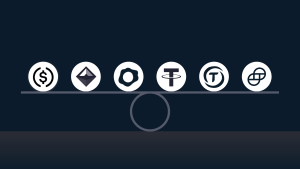
Tether and USD Coin are not speculative assets, but their importance in 2026 should not be underestimated. Growth will be reflected in supply expansion, settlement volume, and integration into traditional financial systems rather than price appreciation.
Stablecoins are likely to remain the backbone of crypto liquidity.
The Bigger Picture for 2026
The defining theme for 2026 is likely to be discipline. Capital is becoming more selective, regulation more explicit, and infrastructure more institutional. Broad-based rallies driven purely by narrative may become less common, replaced by asset-specific performance tied to real demand and utility.
In that environment, Bitcoin and Ethereum remain structural anchors, while altcoins compete on execution, adoption, and regulatory positioning rather than hype alone.
Looking for more ideas? Read our full guide to the best meme coins to invest in this year.


 Commentaries








Fill in necessary fields and publish