


CLARITY Act Stalls: US Crypto Regulation Hits Senate Roadblock
We may earn commissions from affiliate links or include sponsored content, clearly labeled as such. These partnerships do not influence our editorial independence or the accuracy of our reporting. By continuing to use the site you agree to our terms and conditions and privacy policy.

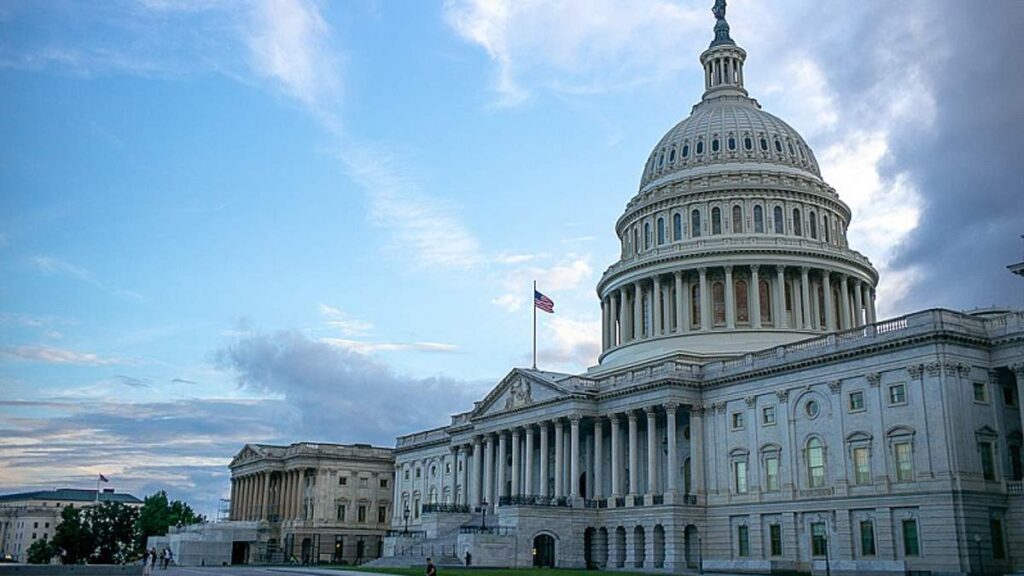
The CLARITY Act faces a critical Senate hurdle as the vote deadline nears. Senator Cynthia Lummis pushes for support amid mounting procedural barriers.
This bill literally requires President Trump to divest his digital asset holdings or put them in a blind trust.
It's becoming painfully clear some of my Democrat colleagues would rather let consumers lose everything if a crypto exchange fails and posture for the midterms than… https://t.co/8gKZfKAxVm
This absence suggests the window for advancing the bill is rapidly closing. Senate leadership continues to prioritize other matters, including federal administration appointments and legislative initiatives focused on sanctions against Russia.
Republicans Need Democratic Support
While the Republican Party holds 53 seats in the Senate, passing the CLARITY Act requires 60 votes to clear procedural hurdles. This math necessitates support from at least seven Democrats to move the bill forward.
A significant sticking point has emerged in the latest unified version of the bill introduced by Cynthia Lummis. The draft includes provisions prohibiting federal officials, including the President, from issuing or sponsoring digital assets, with enforcement oversight granted to the Department of Justice.
Some Democrats have labeled these measures insufficient, calling for stricter rules regarding potential conflicts of interest tied to crypto assets. This ongoing dispute continues to alienate several moderate senators whose votes are essential for passage.
Industry Ramps Up Pressure
In response to the deadlock, crypto industry representatives have intensified their lobbying efforts, urging lawmakers to bring the CLARITY Act to the floor before the recess. Organizations including the Blockchain Association, Crypto Council for Innovation, and The Digital Chamber, alongside firms like Grayscale, have sent formal letters to Senate leadership demanding the process move forward without delay.
The bill is considered one of the most vital initiatives for establishing a clear regulatory framework for the US digital asset market. It seeks to clarify the jurisdictional boundaries between the Securities and Exchange Commission (SEC) and the Commodity Futures Trading Commission (CFTC), providing much-needed legal certainty for the industry.
Despite the push, the outlook for immediate passage has soured. Market estimates suggest the probability of the CLARITY Act passing before the August recess has plummeted to approximately 30%, down from over 80% at the start of the year.
If the bill fails to reach the floor in the coming days, the debate will likely be pushed to the Congressional autumn session. Such a move would delay the establishment of a thorough regulatory framework for the American crypto market by several months.


 Commentaries










Fill in necessary fields and publish