


Cardano Volume Cycles Point Upward as Ecosystem Awaits NIGHT Launch
We may earn commissions from affiliate links or include sponsored content, clearly labeled as such. These partnerships do not influence our editorial independence or the accuracy of our reporting. By continuing to use the site you agree to our terms and conditions and privacy policy.

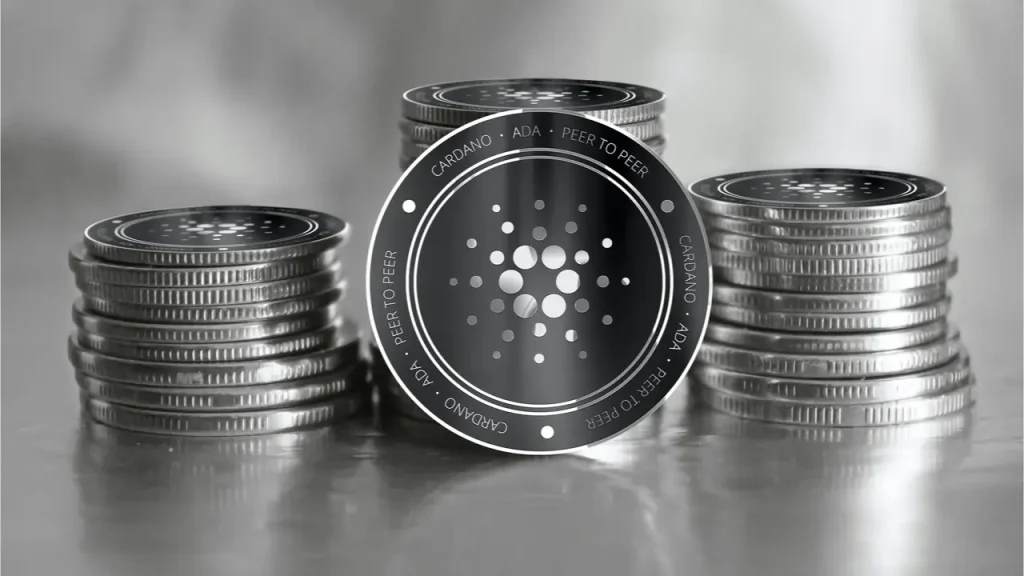
Growing on-chain movement and the anticipated arrival of NIGHT are setting the stage for what could become Cardano’s strongest volume cycle in years.
Cardano’s on-chain activity is beginning to resemble the early stages of one of its familiar expansion cycles, and analysts say the timing couldn’t be better – with a new ecosystem token, NIGHT, about to hit the market.
Cardano’s Volume Cycle Shows Signs of Reawakening
New data suggests that the network may be gearing up for another wave of heavy trading activity. Over the past two years, Cardano’s decentralized exchanges have repeatedly gone through the same rhythm: volumes climb rapidly, taper off, reset, and then surge into a fresh breakout.
Cardano $ADA is setting up for a significant expansion in trading volume with $NIGHT about to enter the market. pic.twitter.com/dzOosy33nr
— TapTools (@TapTools) December 8, 2025
Those bursts appeared several times – at the start of 2023, again in mid-2023, then early and late 2024. The most recent readings show volume beginning to curve upward once again in a pattern that mirrors how each of those earlier spikes began.
NIGHT Could Act as the Spark
The potential trigger this time is the upcoming release of NIGHT, a new token expected to attract early trader attention. Historically, high-profile launches on Cardano tend to shuffle liquidity between major DEXs like Minswap, GeniusYield and Saturn Swap, producing noticeable upticks in user activity even before any price trend is established.
TapTools emphasizes that the signal here is volume – not price. Rising trading volume is often interpreted as renewed confidence within the ecosystem, growing developer involvement and increased participation across Cardano platforms.
Looking Ahead
If the pattern continues, weekly trading volumes could rise back toward the peak levels Cardano saw during its most active stretches in 2023 and 2024. Analysts note that NIGHT’s debut may be the catalyst that pushes the network into its next expansion phase as the ecosystem heads toward 2026.


 1
1


 Commentaries









Fill in necessary fields and publish