


BIS Report: Stablecoins Fuel Global Digital Dollarization
We may earn commissions from affiliate links or include sponsored content, clearly labeled as such. These partnerships do not influence our editorial independence or the accuracy of our reporting. By continuing to use the site you agree to our terms and conditions and privacy policy.

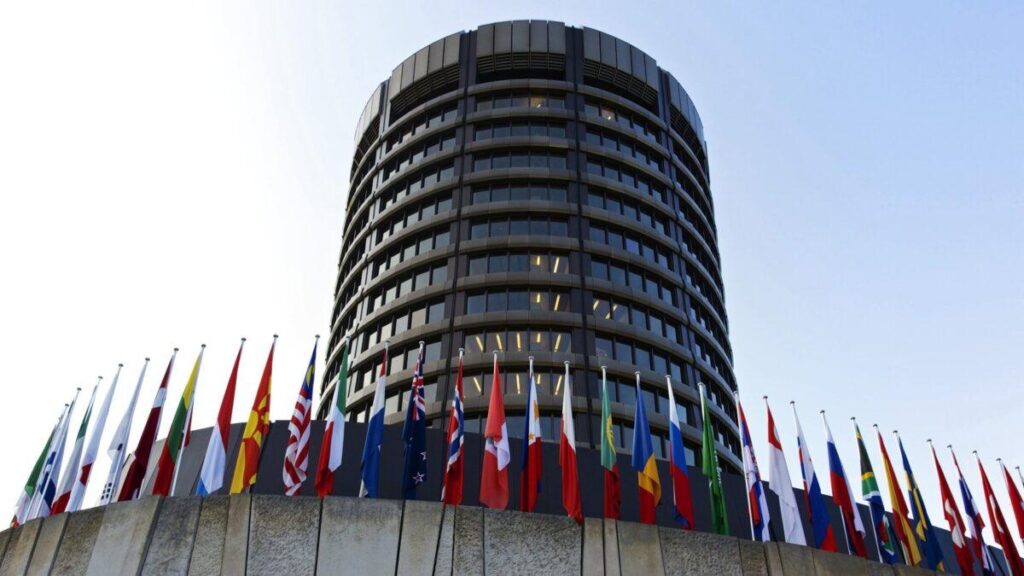
A new BIS report reveals how stablecoins like USDT and USDC are bypassing capital controls to drive digital dollarization in emerging markets.
A new report reveals that digital dollar assets are increasingly becoming the preferred tool for accessing U.S. currency, particularly in emerging economies. In these regions, households and businesses turn to these assets as a shield against inflation, local currency devaluation, and broader financial instability.
Stablecoins Create a New Form of Dollarization
The study analyzed data on foreign currency deposits and flows toward dollar-pegged tokens across more than 130 countries. It compared how these two instruments behave under various macroeconomic conditions.
Researchers found that both traditional deposit dollarization and stablecoin adoption are driven by similar factors: high inflation, banking turmoil, currency crises, and the weakening of local fiat. However, a critical distinction emerged. While foreign currency bank deposits remain heavily reliant on capital restrictions and exchange controls, stablecoin flows show almost no reaction to such measures.
This allows users to tap into dollar liquidity outside the traditional banking system and beyond the reach of many existing regulatory frameworks.
Capital Controls Lose Their Edge
One of the primary conclusions from the Bank for International Settlements (BIS) is that stablecoins significantly undermine the effectiveness of tools central banks use to manage capital flows. Unlike bank deposits, transactions involving dollar-pegged tokens occur on public, decentralized blockchains. This means accessing digital dollars does not require the participation of local financial institutions.
Experts suggest this specific feature explains why capital movement restrictions have limited impact on the use of coins like USDT and USDC. The BIS warns that if this trend persists, established tools for managing exchange rate regimes could gradually lose their efficacy.
Stablecoins Cement the Dollar’s Role
The report introduces the concept of “digital dollarization,” describing a process where households and firms steadily replace local currency with dollar stablecoins for savings and payments. According to the BIS, this shift shows high levels of persistence. Much like traditional dollarization through bank deposits, once it takes root, it is difficult to reverse.
Interestingly, the study found no conclusive evidence that tokens are replacing dollar bank deposits. Instead, the two instruments coexist, effectively increasing the total global exposure to the U.S. dollar.
The Growing Stablecoin Market
These findings arrive as the stablecoin market sits at approximately $310 billion and continues to expand rapidly. In several regions, including Latin America, these tokens are increasingly used for international settlements, remittances, and inflation protection—sometimes even surpassing Bitcoin in terms of real transaction volume.
The International Monetary Fund (IMF) has issued similar warnings. While noting that stablecoins can lower cross-border payment costs and provide a safety net against devaluation, the IMF emphasized that they simultaneously weaken the monetary sovereignty of individual nations.
Regulators Seek New Approaches
The BIS insights come at a time when global lawmakers are accelerating regulatory efforts. The European Union has already implemented the MiCA framework, while U.S. legislators are debating new rules for dollar-token issuers.
Despite these efforts, the report highlights that traditional control mechanisms designed for the banking system are difficult to apply to decentralized digital assets that operate across borders. This makes stablecoins one of the most significant challenges for central banks in the coming years. While they improve access to liquidity and boost payment efficiency, they also limit the ability of states to control monetary policy and capital movement—a reality likely to drive intensified international regulatory cooperation.


 Commentaries






Fill in necessary fields and publish